Sibal vs Lutnick at Davos: US globalization debate heats up

Sibal vs Lutnick at Davos: US globalization debate heats up
At Davos 2026, Kanwal Sibal challenges Howard Lutnick's globalization critique, arguing the US helped drive globalization and that offshoring reflects policy choices, not coercion.
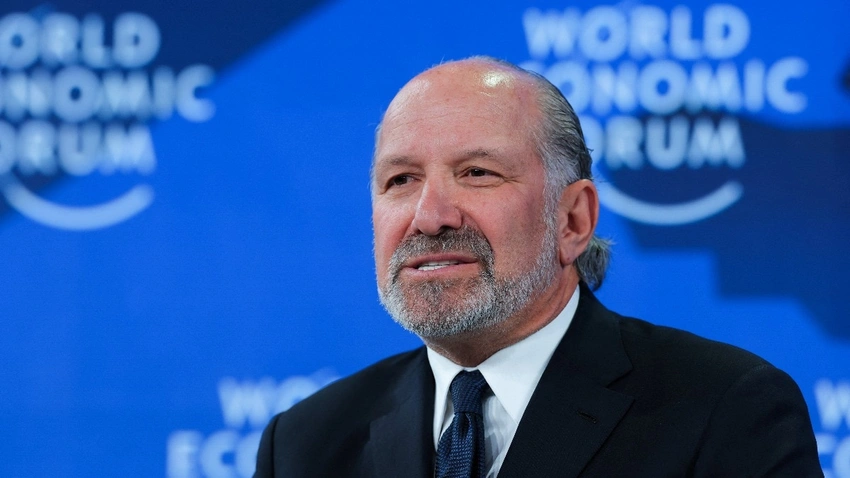
In Davos at the World Economic Forum, a high-stakes exchange shaped by the US administration's stance on globalization has taken center stage. Kanwal Sibal, the former Indian foreign secretary, challenged comments from US Commerce Secretary Howard Lutnick that globalization has failed the West and the United States. Sibal argued that globalization was not imposed on the US; rather, it was propelled by US policies and its post-Soviet leadership. He noted that globalization emerged from a belief in American global primacy and that its expansion coincided with the collapse of the Soviet Union and Washington’s unilateral approach. He said job losses in the US happened with full knowledge of the government and that America chose to prioritize high-technology sectors and financial dominance.
Sibal pushed back against Lutnick’s claim, saying the notion that the world forced globalization on the United States is a convenient narrative. He emphasized that US capital and firms moved operations abroad for cost advantages and looser pollution rules, not because of coercion from others. He described Lutnick’s arguments as misrepresentative and said the US allowed the offshoring trend to take hold as it sought strategic advantages in tech and finance. He added that the Trump-era line of blaming globalization for hollowed-out Western economies ignores the agency of policy decisions that shaped the global economy.
The Davos moment underscored a broader debate over globalization, sovereignty, and domestic industry. While Lutnick framed globalization as a destabilizing force for the West, Sibal reminded audiences that the United States helped build the system and continues to shape its evolution. The exchange highlights how the annual forum is becoming a sounding board for competing visions about how the US should balance openness with national interests.
In Davos 2026, the tension between free-market globalization and calls for domestic investment is set to influence policymakers, investors, and workers as they navigate a more fragmented global economy. The parties to the debate show that globalization’s future may depend as much on domestic policy choices as on global markets.
