The Internet's Edge: Who Really Controls Your Digital Life?

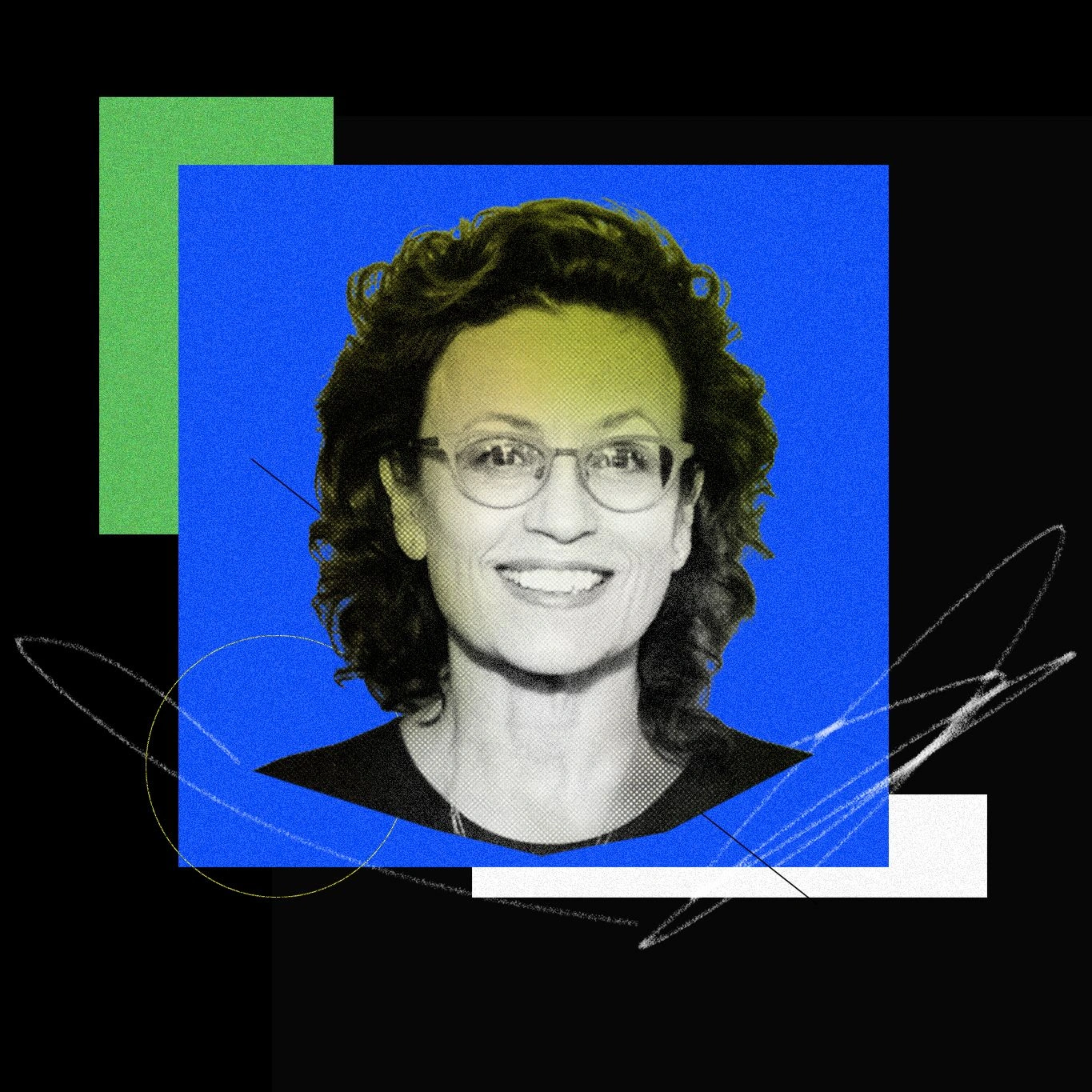
The Internet's Edge: Who Really Controls Your Digital Life?
As political currents shift, the battle for an open internet heats up. Learn why the fight for digital freedom is more critical than ever, starting with the FCC.
The Internet's Edge: Who Really Controls Your Digital Life?
The battle for the internet isn't some abstract future war; it's happening right now, shaping the very foundation of our digital existence. It's about who pulls the levers of information, who decides what you see, hear, and share. And believe me, the stakes have never been higher.
Imagine, for a moment, a date like June 23, 2026. For public servants fighting to uphold core tenets like the First Amendment in our digital sphere, the political landscape casts a long, unpredictable shadow. Leaders like FCC Commissioner Anna Gomez are on the front lines, navigating an environment where the stability of their crucial roles can feel day-to-day.
She, like others committed to safeguarding our digital freedoms, understands the inherent fragility. Each morning's inbox could bring news that reshapes the fight for an open and accessible internet: a stark reminder that in an era of rapid political shifts, even a commissioner's tenure is subject to unexpected turns.
Who controls your internet?
Is it the people, through democratic principles, or is it subject to the whims of political power?
The Digital Wild West: A Shifting Frontier
Historically, the internet has been championed as a force for democratization, a place where information flows freely. But as our lives become increasingly digital, this space has become a prime target for control. From content moderation policies to infrastructure decisions, every aspect can be influenced by political agendas.
When the balance shifts, the consequences are immediate and profound. We're talking about everything from what news reaches your feed to the accessibility of essential services.
Think about the power dynamic. If a sitting President: let's use the hypothetical example of President Trump, given the ongoing discussions: were to exert significant influence over regulatory bodies like the FCC, the ripple effect on your digital freedom would be immense.
It's not just about censorship; it's about shaping narratives, prioritizing certain voices over others, and potentially throttling access for political opponents or dissenting views.
The internet, designed for open exchange, could become a tool for consolidation and control.
Why This Fight Matters to YOU
This isn't just a wonky policy debate for Washington insiders. It's deeply personal. Your ability to:
- Access diverse information: Crucial for an informed citizenry.
- Express yourself freely: A cornerstone of the First Amendment, now digital.
- Connect with others without undue interference: Essential for communities and commerce.
All of these are directly impacted by who controls the internet's infrastructure and regulatory framework. We need dedicated individuals, like Commissioner Gomez, who are willing to stand firm in defense of these principles, even when their positions are precarious.
Our digital future demands constant vigilance. The internet belongs to all of us, not just those in power.
We must remain engaged and demand that our digital rights are protected, no matter who occupies the highest office.
The fight for digital freedom is the fight for our future.
What's in your inbox today' your take?
