India Unlocks the Atom: How the SHANTI Bill Invites Private Giants into Nuclear Power

India Unlocks the Atom: How the SHANTI Bill Invites Private Giants into Nuclear Power
India Unlocks the Atom: How the SHANTI Bill Invites Private Giants into Nuclear Power
The SHANTI 2025 bill moves forward in Parliament, allowing private participation in parts of India's nuclear sector while preserving safety and regulatory safeguards.
The Sustainable Harnessing and Advancement of Nuclear Energy for Transforming India Bill (SHANTI), 2025, was passed by the Lok Sabha on Wednesday, paving the way for a significant reform of India's civil nuclear framework. Despite a walkout by the majority of opposition members, the Bill was approved by voice vote during the current Winter Session.
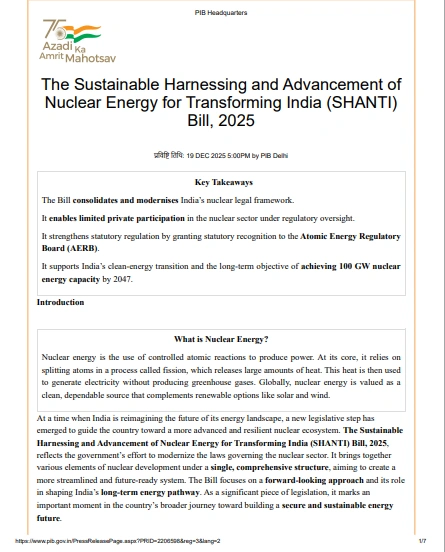
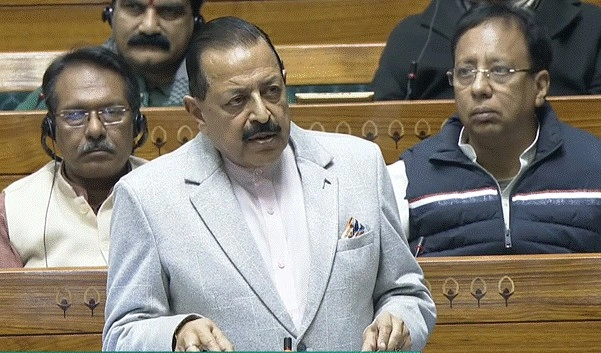
The legislation, which was introduced earlier this week by Jitendra Singh, the minister of state for the Department of Atomic Energy, represents a major change in policy by allowing private participation in some areas of the nuclear energy industry for the first time.
The Bill aims to "modernize India's nuclear framework in line with contemporary technological, economic, and energy realities, while retaining and strengthening core safety, security, and regulatory safeguards that have been in place since the Atomic Energy Act of 1962," according to Singh.
The government identified shortcomings in the current system, such as insufficient safety coverage throughout the nuclear lifecycle, restricted regulatory authority, and a post-accident emphasis on compensation rather than prevention. The SHANTI Bill creates a unified legal framework that unifies civil liability, enforcement, regulation, and dispute resolution under a single statute.
All We Need To Know About The Shanti Bill
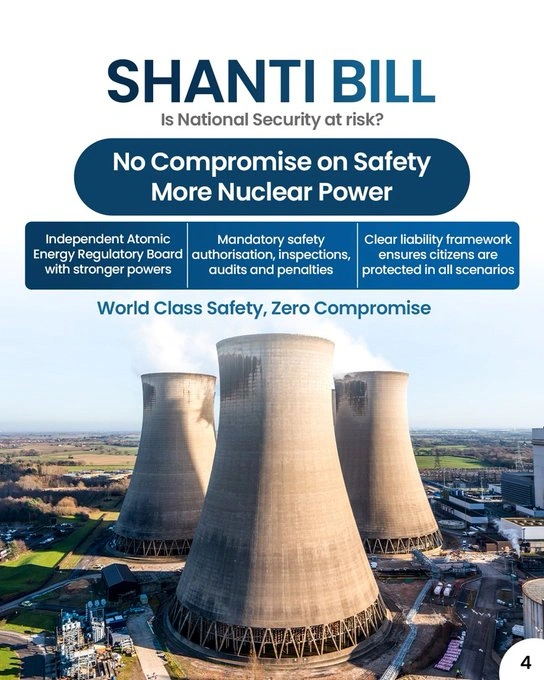
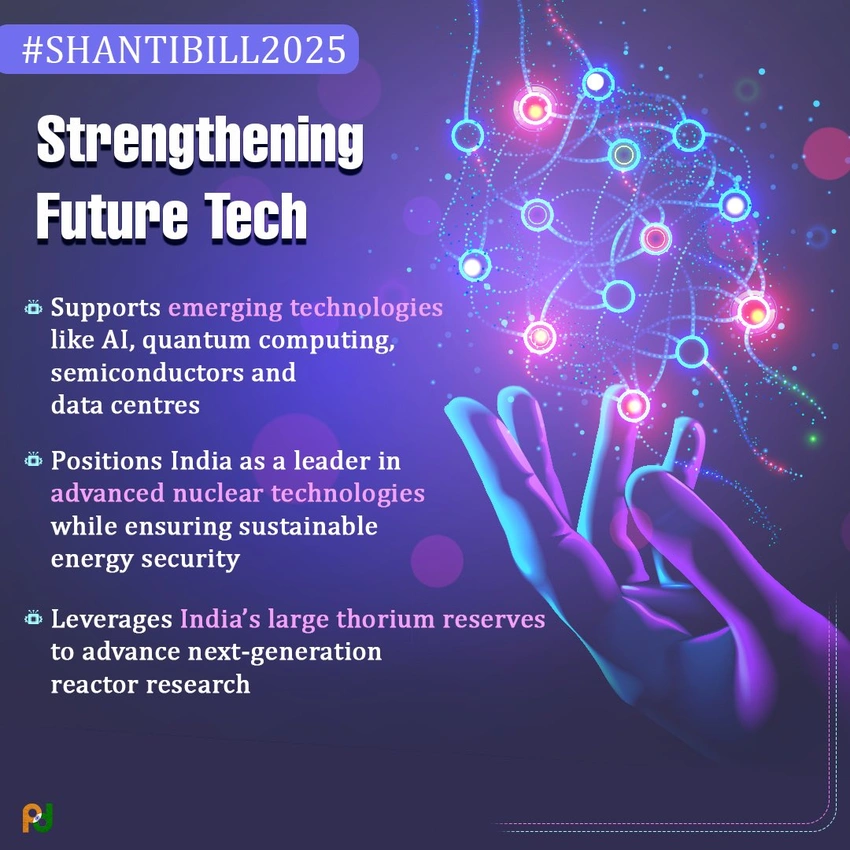
In line with the nation's goal of reaching 100 GW of nuclear power capacity by 2047, the Bill seeks to accelerate the development of nuclear energy and its applications across a variety of industries. The Bill permits the establishment and operation of nuclear facilities as well as the transportation of nuclear fuel by private businesses and joint ventures. The government did note, however, that the Central government will continue to have sole authority over sensitive activities like uranium enrichment, handling spent fuel, and producing heavy water.
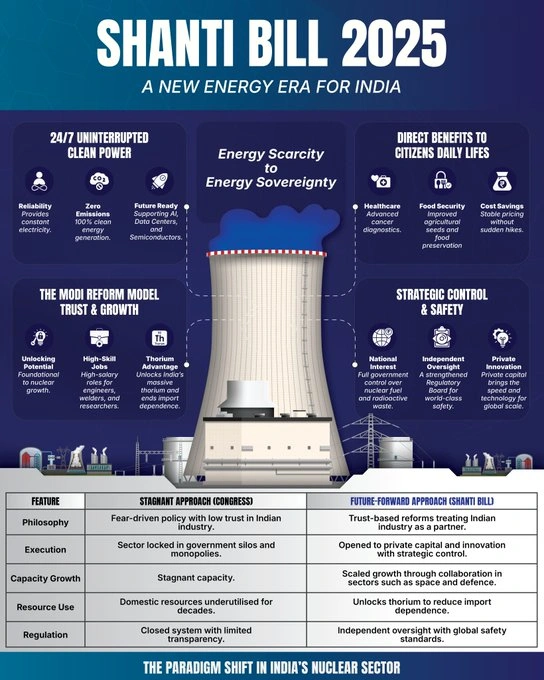
The Atomic Energy Regulatory Board (AERB) will be granted statutory status, enabling it to conduct facility inspections, look into incidents, issue legally binding directives, and halt or terminate operations that don't adhere to safety regulations. With statutory status, the Atomic Energy Regulatory Board (AERB) will be able to inspect facilities, investigate incidents, issue legally binding directives, and stop or terminate operations that violate safety regulations.
Safety oversight will be legally included throughout the lifecycle of nuclear facilities, from construction and operation to transport, storage, decommissioning, and waste management. Activities involving radiation exposure will need explicit safety authorization along with operational licenses. The Bill also introduces a specialized nuclear tribunal to handle disputes.
To Conclude
The SHANTI Bill, 2025 is more than just a regulatory update; it is a fundamental shift in India’s economic and environmental strategy. By dismantling the decades-old state monopoly and resolving long-standing liability disputes, the government is betting that private capital and global technology are the only ways to achieve its massive "Net Zero" targets.
#SHANTI2025 #IndiaNuclear #NuclearPolicy #PrivateNuclear #LokSabha
