UK Mulls Sanctions on Russia After Navalny Poisoning Report

UK Mulls Sanctions on Russia After Navalny Poisoning Report
Britain weighs tougher steps as a multinational report links Navalny's death to a suspected toxin; allies press for coordinated sanctions on Moscow.
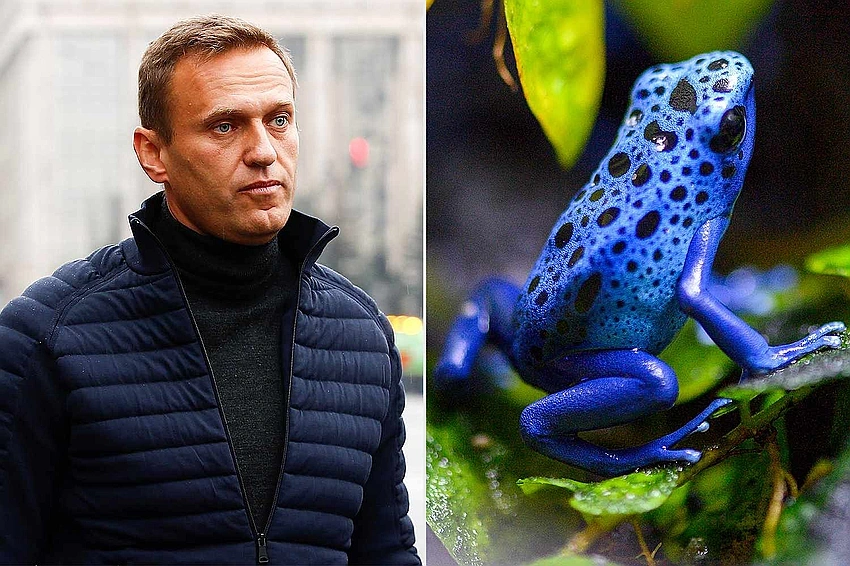
Britain is weighing tougher measures against Russia after a multinational report concluded Alexei Navalny was fatally poisoned with a toxin believed to come from a dart frog. The death has sparked a fresh round of international diplomacy and scrutiny of Moscow’s actions.
The report, compiled by five European nations, points to a sophisticated toxin and places Russia as the prime suspect. Moscow has denied involvement, and the full details remain contested. Diplomatic channels are open with allies as Western governments compare options.
In London, the foreign secretary said the government would continue to seek coordinated action with partners, including stepping up sanctions on the Russian regime. Officials emphasize that any new measures would be calibrated to pressure Moscow while maintaining allied unity.
Across the Atlantic, the United States has stopped short of blaming Russia outright but has signaled it will not dispute the report's findings. Washington stresses support for a thorough, evidence-based assessment and ongoing pressure on those responsible.
The discussions come amid a broader review of sanctions policy and the need to deter aggression while keeping lines open for diplomacy. A decision on specific steps could come after consultations with international partners and as new intelligence comes to light.
For supporters of a robust response, the message is clear: the case has reignited scrutiny of how the international community responds to state-backed or state-tolerated killings, and the next moves could shape Moscow’s calculus in the months ahead.
