SCOTUS Greenlights End to TPS for Haitians & Syrians! 🚨 What's Next?

SCOTUS Greenlights End to TPS for Haitians & Syrians! 🚨 What's Next?
The Supreme Court's ruling paves the way for ending Temporary Protected Status for thousands of Haitian and Syrian immigrants. Discover the potential impact and humanitarian concerns. #ImmigrationNews
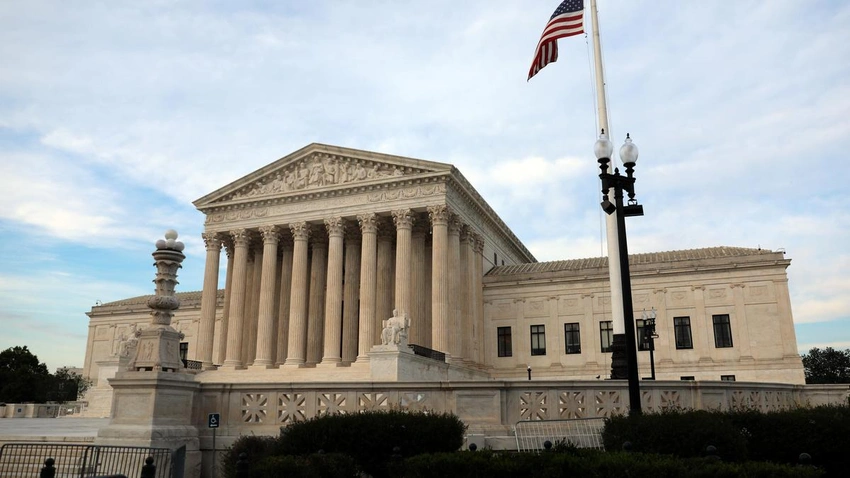
The U.S. Supreme Court has delivered a significant blow to thousands of Haitian and Syrian immigrants, clearing the path for the Trump administration to terminate their Temporary Protected Status (TPS). This highly anticipated decision could have far-reaching implications, not only for these communities but potentially for immigrants from many other countries currently benefiting from similar protections.
The ruling allows the administration to proceed with its plans to end TPS for these groups. For years, TPS has offered temporary legal residency and work permits to individuals from countries affected by armed conflict, natural disasters, or other extraordinary conditions, preventing their forced return to unsafe environments. Critics argue that ending these protections disregards the ongoing crises in their home countries and could lead to mass deportations.
Humanitarian organizations are sounding the alarm. Doctors Without Borders, for instance, has highlighted the dire situation in Haiti, where they continue to witness a growing crisis. Tirana Hassan, CEO of Doctors Without Borders USA, has personally spoken about the critical conditions, emphasizing the potential human cost of revoking TPS. The decision means that many individuals who have built lives, careers, and families in the U.S. over years, sometimes decades, now face an uncertain future and the prospect of returning to dangerous or unstable homelands.
Immigrant rights advocates and legal experts are closely monitoring the situation, preparing for potential challenges and evaluating the broader impact. They argue that the Supreme Court's stance aligns with a more restrictive approach to immigration, potentially emboldening further actions against other protected groups. This ruling underscores a critical moment in U.S. immigration policy, raising questions about humanitarian obligations and the future of long-term residents.
