The Pitfalls of Contemporary Feminist Greek Myth Retelling

The Pitfalls of Contemporary Feminist Greek Myth Retelling
The Pitfalls of Contemporary Feminist Greek Myth Retelling
Greek myths are everywhere again, but feminist twists reframe heroes and victims alike. This look at modern retellings, prize buzz, and BookTok virality shows how mythic storytelling is shifting today.
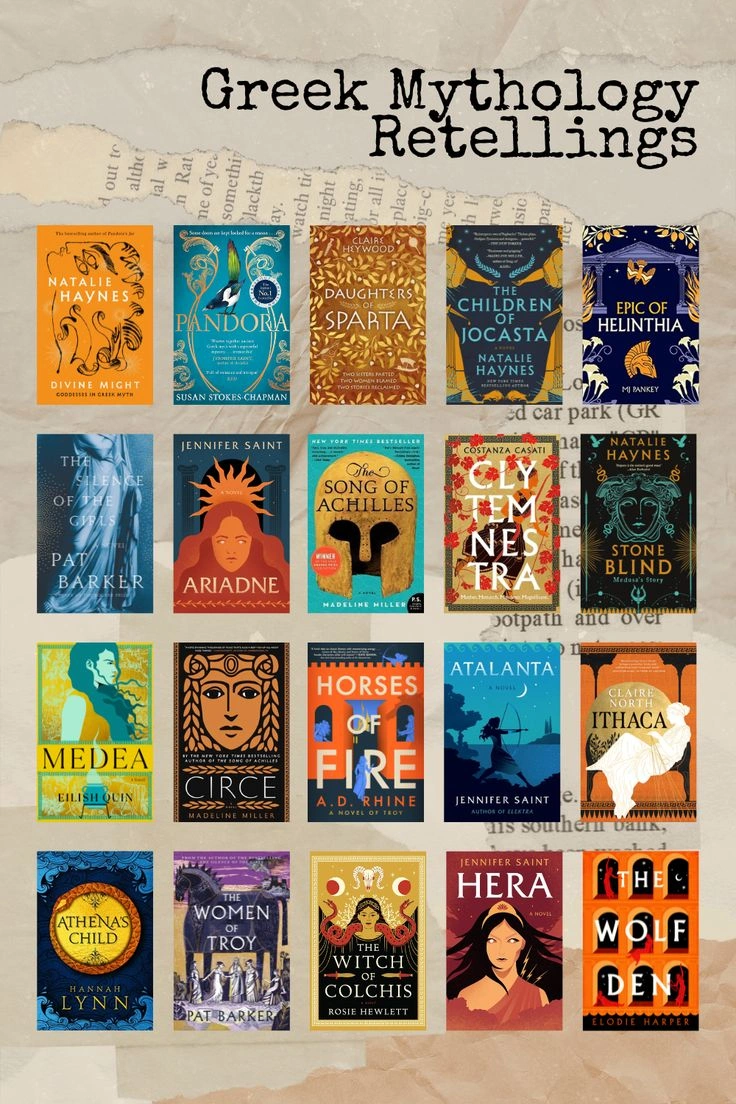
Walk into any bookshop today and you will likely find a shelf dedicated to mythological retellings. Greek myths, in particular, have become one of the most marketable literary subgenres of the last decade. Novels promise “forgotten voices”, “feminist twists”, and “stories reclaimed”. From prize shortlists to BookTok virality, the ancient world has never seemed so commercially alive.
Retelling Myths Is Not a Modern Phenomenon
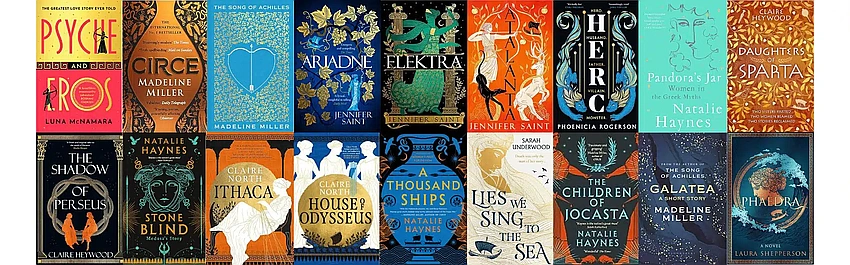
Greek mythology has always been rewritten. Renaissance poets reshaped classical narratives; Romantic writers mined myth for lyric intensity; mid-twentieth-century novelists like Mary Renault and Robert Graves reconstructed antiquity through historical fiction. Hollywood’s Sword-and-Sandal films transformed Hercules and Jason into cinematic spectacle. Myths survive precisely because they are flexible, portable, and endlessly interpretable.
The Rise of the “Feminist Retelling”
A striking feature of recent adaptations is their emphasis on recentring women or other marginalised figures. Marketing language repeatedly invokes recovery: these voices were silent, these stories untold, these women forgotten by history.
This claim is rhetorically powerful. It aligns retellings with contemporary feminist discourse and positions the text as both literary and corrective. Yet it also invites scrutiny. Were these women truly silent in the ancient sources?
Were the Women of Greek Myth Ever Silent?
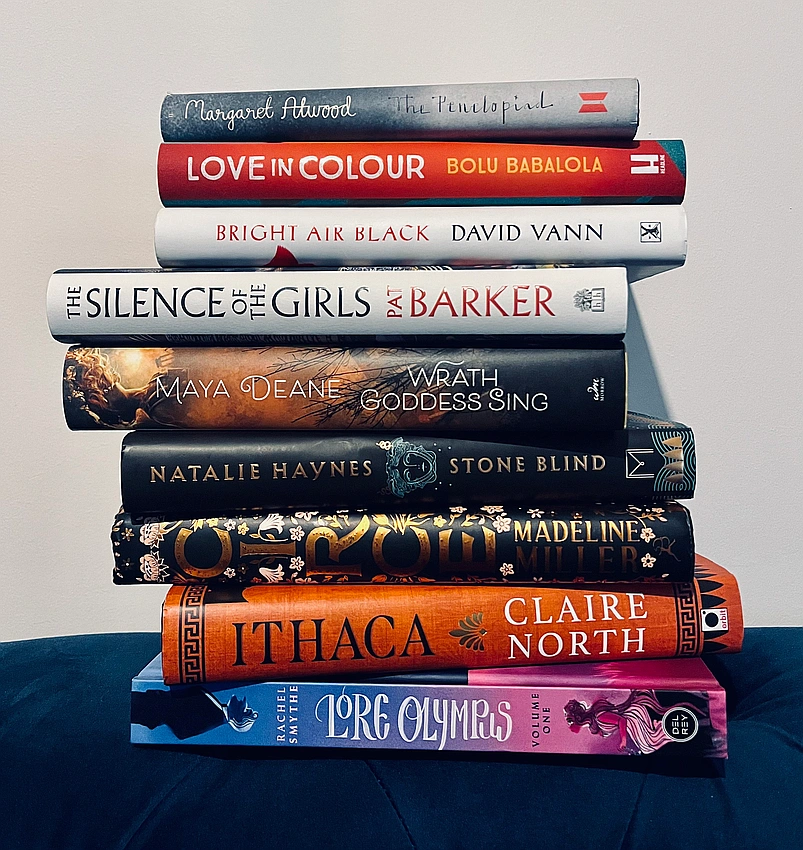
Greek literature does not present a uniformly male narrative landscape. Penelope dominates substantial portions of The Odyssey. Helen, Andromache, and Hecuba deliver some of the most emotionally devastating speeches in The Iliad. Euripides built tragedies around figures like Medea, Iphigenia, and Clytemnestra — women whose voices are anything but marginal.
To suggest that these characters were erased risks oversimplifying the ancient texts. The issue is not absence, but interpretation: how those voices have been read, valued, or culturally prioritised over time.
Case Study: A Thousand Ships
Natalie Haynes’ A Thousand Ships exemplifies many tensions within the genre. The novel retells the Trojan War through multiple female perspectives and has been widely celebrated for foregrounding women “relegated to the edges of the story”.
Haynes’ project is intellectually engaging. However, the framing of these narratives as “untold” is complicated by the fact that many of these figures already possess rich textual histories. Penelope, Iphigenia, and others are hardly invisible within classical literature.
The question becomes what kind of voice is constructed.
Penelope: Re-centring or Re-limiting?
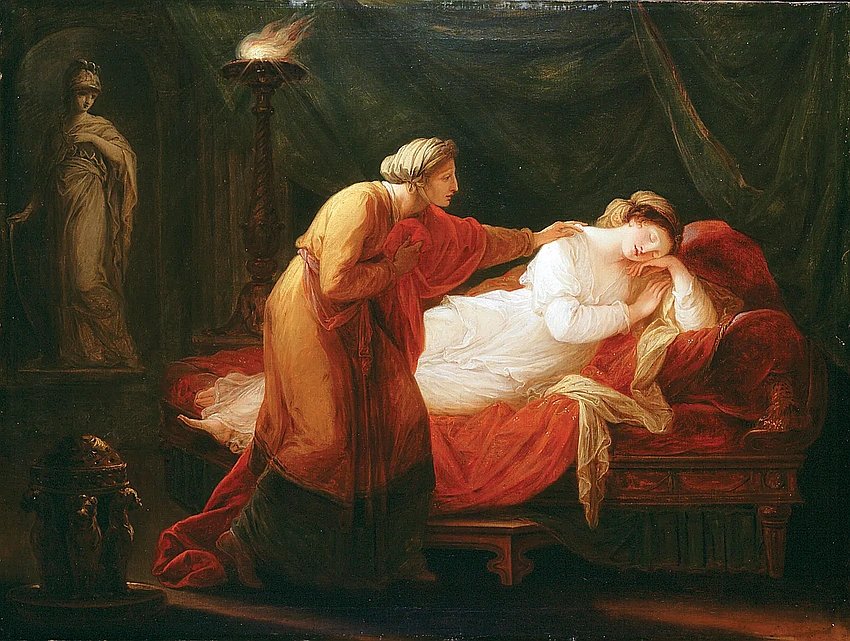
In The Odyssey, Penelope is often mischaracterised as passive. Yet her apparent inactivity of weaving and unweaving Laertes’ shroud is itself an act of cunning resistance. She mirrors Odysseus’ strategic intelligence: he survives through deception abroad, she survives through deception at home. Their reunion hinges on mutual recognition of wit.
In A Thousand Ships, Penelope’s chapters take the form of letters to Odysseus. Structurally elegant, yet narratively constraining. Rather than expanding Penelope’s interior world, the device frequently positions her as commentator on Odysseus’ adventures. Her existence becomes tethered to his story once again.
Ironically, a retelling designed to liberate Penelope risks narrowing her narrative space.
Helen: Modern Psychology Versus Epic Ambiguity
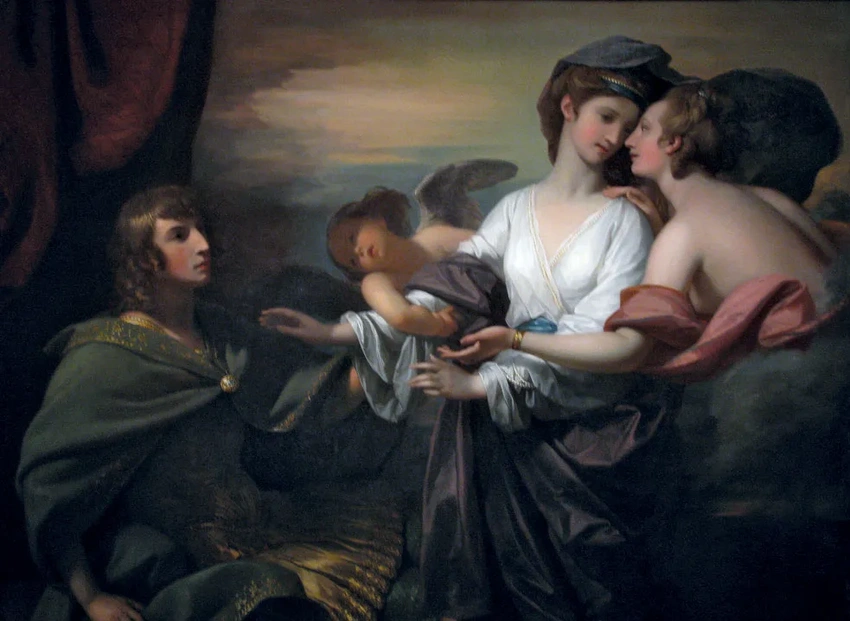
Helen’s portrayal reveals a similar shift. In Homer, Helen is self-aware, regretful, capable of irony and grief. She neither deflects blame entirely nor collapses into victimhood. Her speeches carry pathos, guilt, and tragic knowledge.
Hayne's Helen is more aloof, defensive, overtly framed through contemporary ideological language. While psychologically coherent to modern readers, this can flatten the unsettling ambiguity that defines her epic presence. Helen’s tragedy lies partly in her simultaneous culpability and helplessness; a tension not easily mapped onto modern moral frameworks.
The Paradox of Feminist Retellings
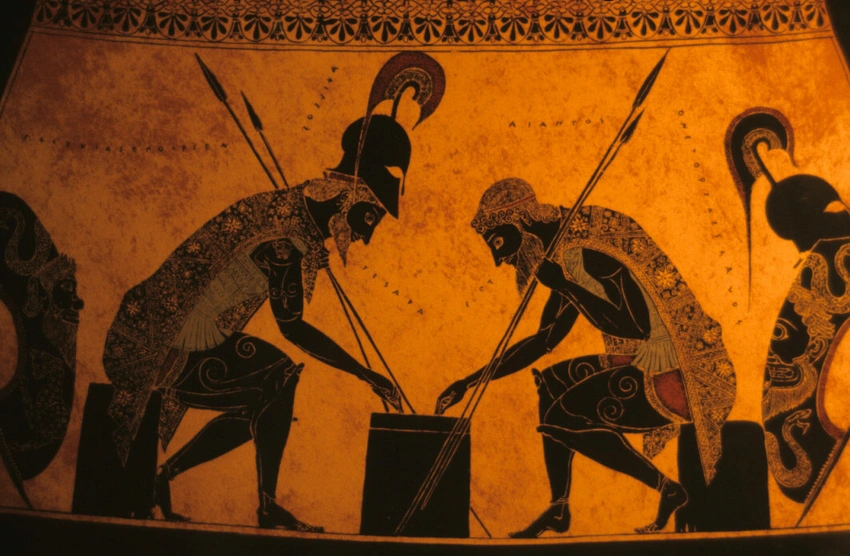
Here emerges the central irony: shifting narrative perspective does not automatically transform narrative structure. The Trojan War remains, fundamentally, a story driven by male heroics, martial honour, and dynastic conflict. Women may narrate, but the mythic machinery still revolves around Achilles, Odysseus, Agamemnon.
A female point of view inside an unchanged mythic architecture can become a form of narrative ventriloquism rather than genuine reconfiguration.
Case Study: The Silence of the Girls
Pat Barker’s The Silence of the Girls approaches myth from a different angle. By centring Briseis, Barker directs attention toward enslaved women whose experiences are not elaborated in epic poetry. The novel’s stark depiction of violence, captivity, and bodily vulnerability functions as a powerful counter-narrative to heroic glorification.
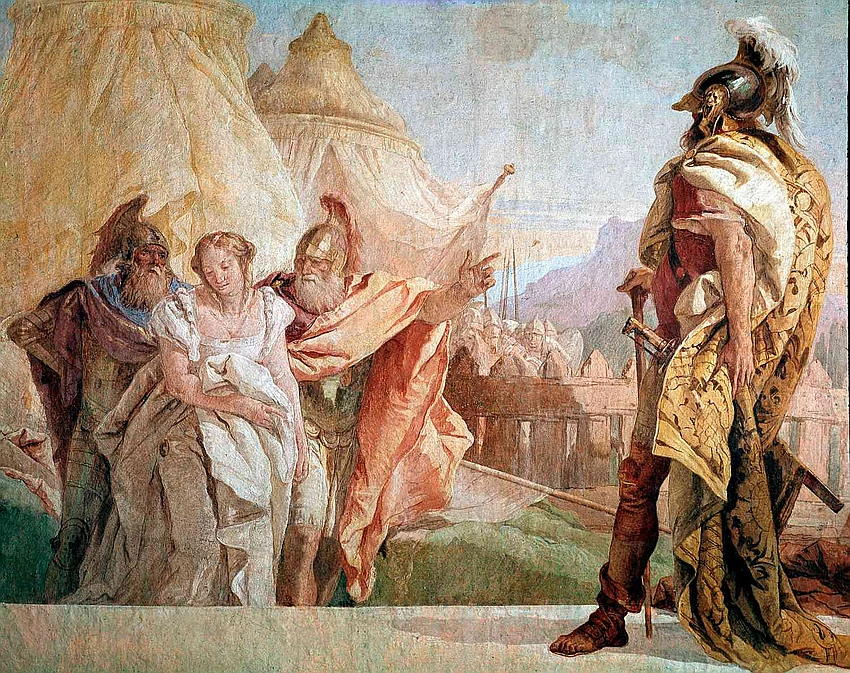
Yet Barker’s technique introduces another challenge: anachronistic consciousness. Briseis frequently articulates reflections on memory, history, and narrative legacy in language that feels distinctly modern. These passages are rhetorically compelling but sometimes read less like the interiority of an ancient woman and more like an authorial essay embedded within fiction.
Hilary Mantel’s observation about historical writing is instructive: the novelist is inevitably an anachronism, translating past worlds through present language. The difficulty lies in balancing accessibility with historical texture. When characters speak in overtly contemporary idioms of critique, the illusion of temporal distance can fracture.
Subtlety Versus Explicit Commentary
Homer’s epics are saturated with themes of memory and reputation, yet characters rarely lecture on them directly. The ideas permeate action and dialogue rather than announcing themselves. By contrast, modern retellings sometimes foreground thematic intent so explicitly that interpretation replaces immersion.
This is not a failure of politics, but of narrative calibration.
The Broader Problem: Historical Flattening
Across many retellings, a pattern emerges:
- Ancient characters think in modern frameworks
- Mythic ambiguity gives way to moral clarity
- Social complexity collapses into binary oppression narratives
Some of the most effective contemporary engagements with myth do not claim recovery or correction. They use myth intertextually as symbolic language rather than narrative template. Poetry, music, and modern fantasy often mobilise myth to illuminate present concerns without insisting on historical substitution. Myth thrives when it remains dialogic rather than didactic.
None of this suggests that modern retellings are illegitimate. Myths demand reinterpretation. New voices, especially those historically marginalised within literary traditions, deserve space. But reinterpretation should not rely on the premise that the originals were devoid of complexity, nor that ancient women lacked agency within their narrative worlds.
Greek myth is already populated by formidable, articulate, morally intricate women.
Responsibility of Retelling
Retellings shape cultural memory. For many readers, contemporary novels may become the primary, perhaps only encounter with classical myth. This places significant responsibility on authors and readers alike. The goal need not be preservation, but awareness.
Greek myths endure because they resist easy moral resolution. They are contradictory, unsettling, ethically unstable. Their women are not uniformly victims nor uncomplicated heroines; their men are not simply villains or icons.
Retellings succeed not when they modernise myths into comfort, but when they preserve that friction and strangeness, and not align neatly with contemporary expectations.
#MythRetellings #GreekMythology #FeministLit #BookTok #MythologyReads
