What Does Severance Try to Tell Us About Humans?

What Does Severance Try to Tell Us About Humans?
What Does Severance Try to Tell Us About Humans?
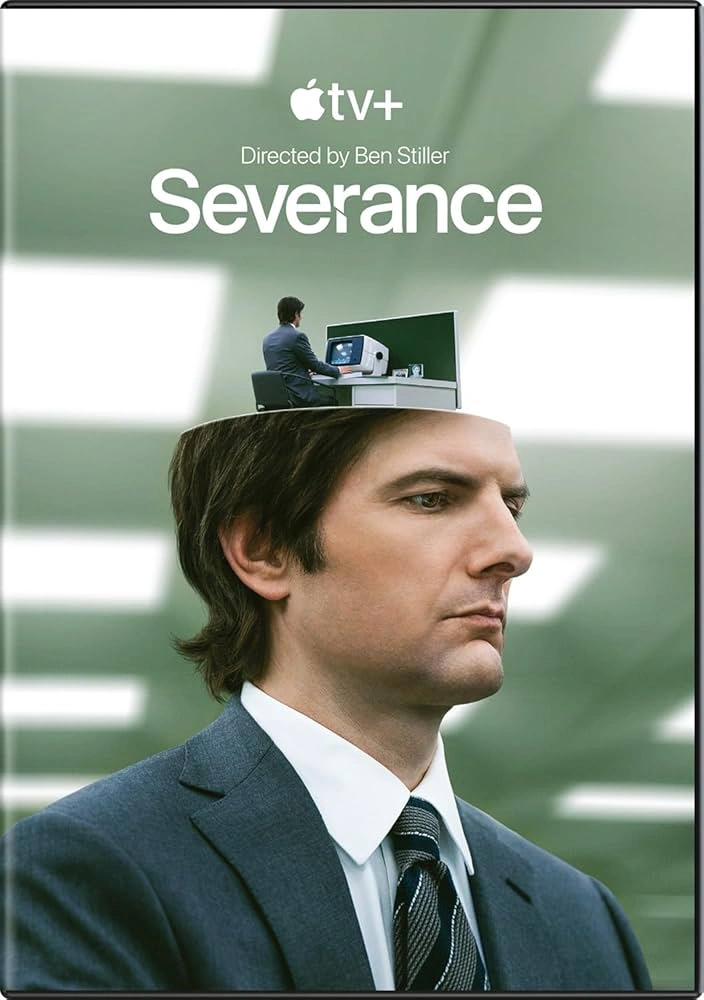
There is something deeply horrifying about the world of Severance, but not because of its futuristic office corridors or the strange rituals inside Lumon Industries. The horror comes from recognition. The series does not invent a new kind of alienation. It merely exaggerates one that already exists. Beneath its science fiction premise lies a painfully old question: who are we when our memories are taken away?
The answer the show repeatedly offers is unsettlingly simple. Without memory, there is no self. Humans are nothing but an archive of lived experience.
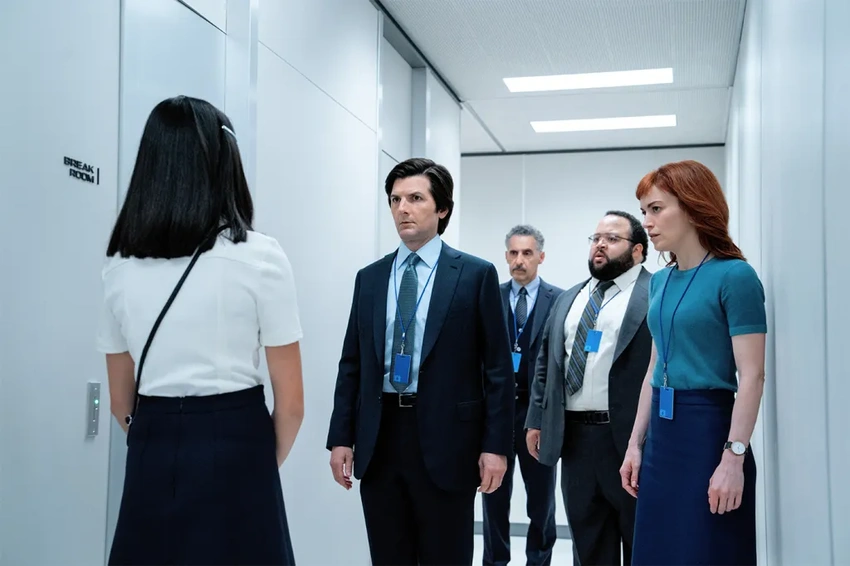
The “severed” employees of Lumon are split into two consciousnesses. Their “innie” exists only within the office walls, while the “outie” exists in the outside world with no recollection of office life. At first, the premise appears to be about work life balance taken to an absurd extreme. But as the series unfolds, it becomes clear that Severance is less interested in labour itself than in the terrifying fragility of identity.
 Memory as the Foundation of Self
Philosophically, the series echoes ideas that stretch back to John Locke’s theory of personal identity. Locke argued that continuity of consciousness, particularly memory, is what makes a person the same over time. Severance dramatises this theory with brutal literalism. When memories are divided, personhood fractures too.
Mark’s innie and outie are legally the same individual, but emotionally and psychologically they are strangers. One grieves a dead wife while the other has never even known her. One chooses severance as an escape from pain while the other becomes trapped in endless labour with no history to contextualise suffering. The innie possesses consciousness without biography.
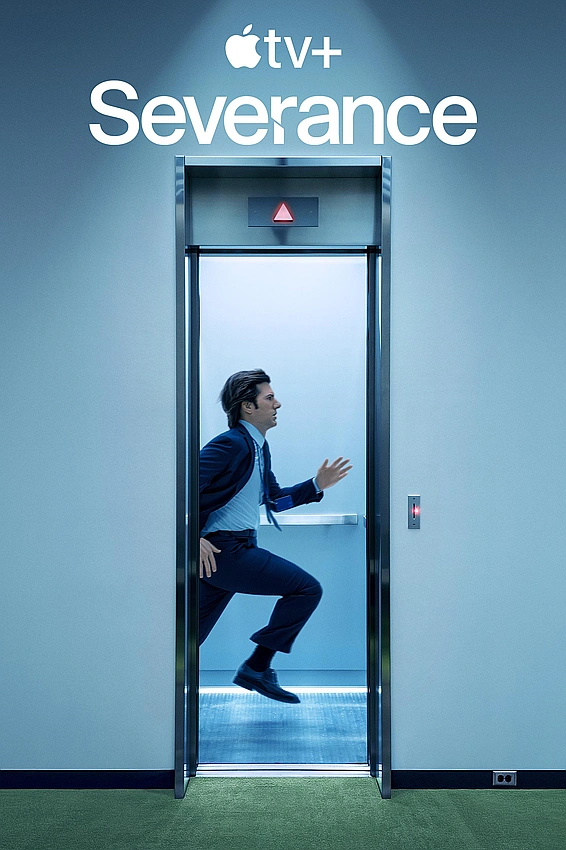
This is what makes the innies tragic. They are human beings deprived of historical continuity. They cannot accumulate a meaningful narrative about themselves because every elevator ride resets experience. Their lives become a perpetual present tense.
Human identity has always depended on narration. We understand ourselves through accumulated memories, relationships, failures, desires and private mythologies. To remember is not merely to store information. It is to organise existence into something coherent. Without that archive, consciousness becomes unstable.
 The Violence of Erasure
What makes Lumon terrifying is not simply surveillance or corporate control. It is archival violence. The company constantly manipulates records, rituals and language in order to control reality itself.
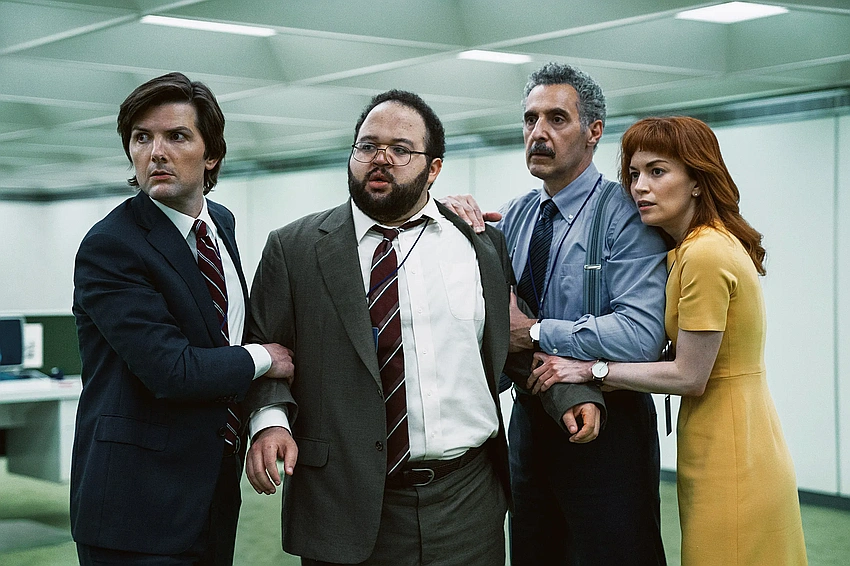
The office resembles a strange museum where meaning has been hollowed out. Employees perform mysterious labour they cannot understand. Corporate handbooks replace personal memory. Founding myths substitute lived experience. Even emotional responses become regulated through wellness sessions and scripted affirmations.
Lumon does not merely exploit workers’ bodies. It colonises interpretation.
There is a reason totalitarian systems throughout history have obsessively controlled archives, libraries and historical narratives. Whoever controls memory controls identity. In Severance, Lumon achieves this literally. The severed floor is an artificial civilisation built upon amnesia.
The innies attempt resistance through acts of remembering. Petey’s reintegration becomes radical precisely because it restores continuity between selves. Hidden maps, secret notes and forbidden conversations all function as fragments of historical recovery. The series repeatedly frames memory as rebellion.
This is why the show feels emotionally suffocating. The characters are denied the basic human ability to contextualise suffering through narrative. Pain without history becomes meaningless torment.
 Labour and the Fragmented Self
The office itself also reflects a distinctly modern condition. Contemporary capitalism often demands compartmentalisation. People construct professional identities separate from emotional realities. Workers perform cheerfulness while privately exhausted. Productivity becomes detached from interior life.
Severance transforms this psychological split into bodily reality.
Yet the show refuses simplistic anti-work cynicism. It is not merely saying that offices are dehumanising. Rather, it asks what happens when human beings become severed from the narratives that make labour meaningful in the first place.
Work historically provided continuity through craft, community or social purpose. Modern corporate structures increasingly dissolve these connections. Tasks become abstract. Workers rarely witness outcomes. Labour becomes repetitive performance detached from tangible meaning.
The Macrodata Refinement department embodies this abstraction perfectly. The employees feel emotions while sorting numbers but never understand why. Their labour becomes almost theological rather than material.
 Love, Grief and Historical Continuity
At its emotional centre, Severance is also about grief. Mark undergoes severance because memory itself becomes unbearable after his wife’s death. Yet the series ultimately suggests that pain cannot simply be excised without destroying the self alongside it.
Grief is painful precisely because humans are historical creatures. Love leaves traces. Mourning becomes evidence of continuity between past and present selves. To erase memory is therefore not healing but annihilation.
This idea becomes especially devastating through the revelation surrounding Gemma. The show forces viewers to confront a frightening possibility: if memory disappears, do relationships still exist in any meaningful sense? Can love survive archival destruction?
The series quietly answers no.
What remains without memory is instinct, attraction or emotional residue, but not relational identity itself. Love depends upon shared history. Humans recognise one another through accumulated moments. Without those moments, intimacy collapses into unfamiliarity.
 Humans as Archives
What Severance reveals is that personhood is not some hidden essence buried beneath experience. There is no pure self untouched by history. Humans are constructed through memory, repetition and narrative accumulation.
The archive is the self.
This is why the show’s sterile hallways feel so terrifyingly empty. Lumon attempts to create humans without history, consciousness without memory, labour without narrative. But what emerges is not efficiency. It is existential horror.
The innies constantly search for traces of themselves because identity cannot survive in a vacuum. Even the smallest fragment of memory becomes sacred. A photograph, a map, a handshake or a hidden note acquires immense emotional force because it restores continuity.
To remember is therefore to remain human.
#Severance #MemoryAndIdentity #IdentityHorror #SeveranceReview #DarkSciFi
