Vance: Ball in Iran's court as U.S. blockade tests Islamabad talks

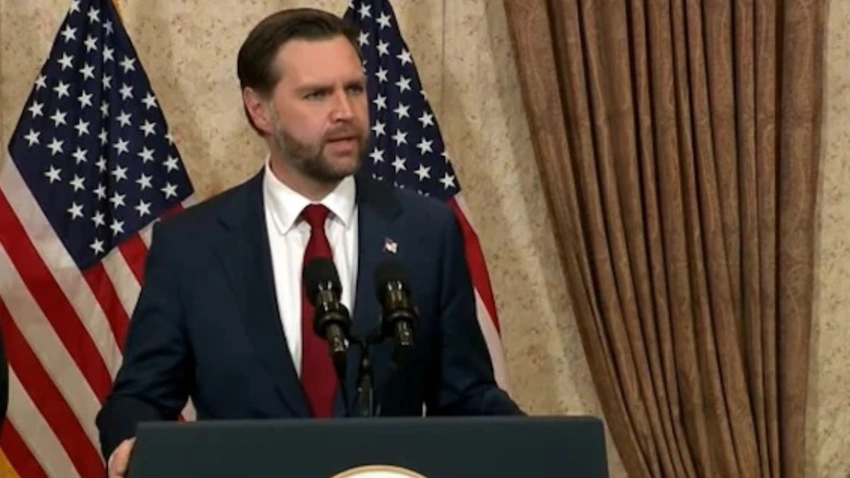
Vance: Ball in Iran's court as U.S. blockade tests Islamabad talks
Vice President says progress was made in Islamabad talks, as the U.S. blockade tightens pressure; Iran's response could shape the next phase of peace negotiations.
In Islamabad, Vice President Vance said the ball is in Iran's court to move peace talks forward, even as a new U.S. blockade takes effect aimed at pressuring Tehran on its nuclear program. He noted progress during the weekend meetings with Iran, while making clear that no agreement had yet been reached.
The U.S. delegation, including special envoys Steve Witkoff and Jared Kushner, reportedly pressed Tehran to accept a 20-year moratorium on uranium enrichment and to pause sensitive nuclear work, while signaling substantial concessions on the American side. Iran, according to briefings, believed an initial accord was within reach but was surprised by the tone of the press conference in Islamabad, where Washington blamed Tehran and announced the delegation’s departure.
The Islamabad talks ended without a formal pact, with Iran reaffirming its right to enrich nuclear fuel. Washington argues that Tehran must demonstrate flexibility, arguing that the blockade now entering force provides leverage. The gap between Tehran’s expectations and Washington’s terms kept negotiations in limbo and raised questions about what adjustments might allow talks to resume.
Observers say the next moves will hinge on whether Iran is willing to compromise on the enrichment moratorium and whether the U.S. can offer credible guarantees or security assurances. For now, the international community watches Islamabad as a focal point for broader diplomacy aimed at preventing escalation and advancing a durable nuclear restraint framework.
If both sides recalibrate their red lines, there may be a path forward that preserves momentum toward de-escalation and a long-sought peace, but much hinges on Iran’s willingness to respond to the 20-year moratorium proposal and on Washington’s ability to reframe concessions as credible incentives.
