Why Your Skin Breaks Out After “Good” Skincare: The Purging vs Reaction Confusion

When Improvement Looks Like a Problem
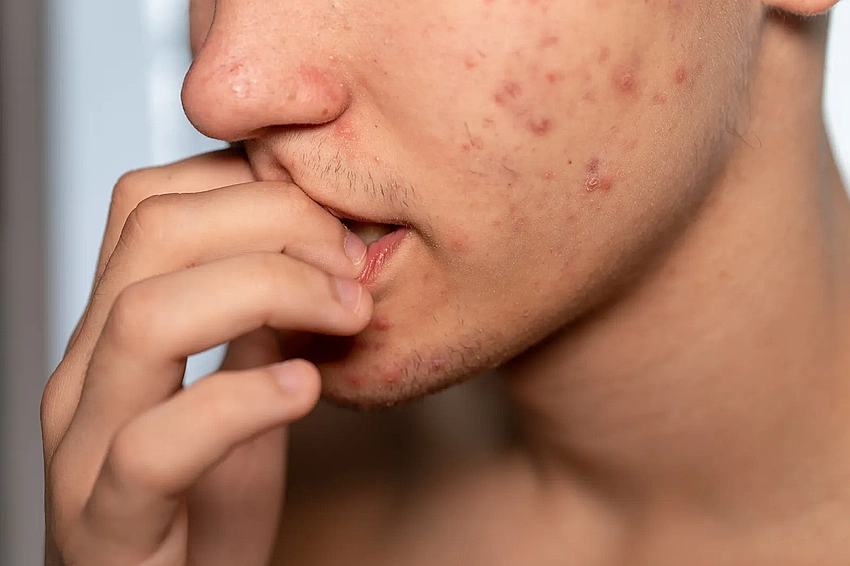
Few things are more discouraging than starting a new skincare routine and suddenly experiencing more breakouts instead of fewer. Many people assume the product is harming their skin, but the reality is more complex. Sometimes the skin is not worsening. It is accelerating a process that was already happening beneath the surface.
This phenomenon is often called purging. It occurs when ingredients that increase cell turnover push existing micro-clogs to the surface faster. However, not all post-product breakouts are purging. Some are irritation, allergic reaction, or pore blockage. Distinguishing between these outcomes is crucial for protecting skin health.
During this uncertain phase, visible blemishes can be managed gently using solutions like a salicylic acid pimple patch 🔗, which targets active spots without overwhelming the surrounding skin.
What Skin Purging Actually Means
Purging happens when renewal speeds up. Normally, skin cells travel from the base of the epidermis to the surface over several weeks. When turnover increases, trapped oil and debris inside pores are expelled more quickly.
This results in pimples appearing sooner than they would have naturally. Importantly, purging only occurs in areas where you usually break out. It does not create acne in completely new locations.
Common ingredients that may trigger purging include:
• Chemical exfoliants such as alpha hydroxy acids
• Beta hydroxy acids
• Retinoids
• Certain enzyme treatments
Purging is temporary. Once underlying congestion clears, skin often becomes smoother and less prone to future breakouts.
Signs It Is a Negative Reaction Instead
Not all breakouts signal progress. Some indicate that the skin barrier is compromised or that pores are being clogged. Irritation-related acne can look similar but tends to behave differently.
Warning signs of a problematic reaction include:
• Breakouts in areas that were previously clear
• Burning, stinging, or itching
• Dry patches or flaking alongside pimples
• Worsening redness that spreads beyond individual lesions
• Persistent inflammation without improvement
Allergic reactions may also produce swelling or small rash-like bumps rather than traditional acne.
Why Sensitive Skin Is More Vulnerable
Individuals with sensitive or reactive skin often struggle to tolerate potent ingredients. Their barrier function may already be compromised, allowing irritants to penetrate more easily.
When the barrier weakens, moisture escapes while irritants enter. This triggers inflammation that can mimic acne or worsen existing breakouts.
Overuse of exfoliating products is a common cause. More is not always better. Skin needs time to repair itself between treatments.
The Role of Skin Barrier Health
A strong barrier regulates hydration, defends against microbes, and prevents excessive oil production. When disrupted, the skin may produce more sebum to compensate for dryness, leading to clogged pores.
Barrier damage also increases sensitivity to environmental factors such as pollution, temperature changes, and friction. This explains why breakouts may intensify after introducing too many new products at once.
Supporting the barrier with gentle care often reduces both irritation and acne simultaneously.
Statistic on Product-Related Skin Reactions
According to research published in the International Journal of Cosmetic Science, nearly 60 percent of individuals report experiencing adverse reactions to skincare products at some point.
This highlights how common it is for skin to respond unpredictably to new formulations, even when products are marketed as gentle or suitable for all skin types.
Why Layering Too Many Products Causes Chaos
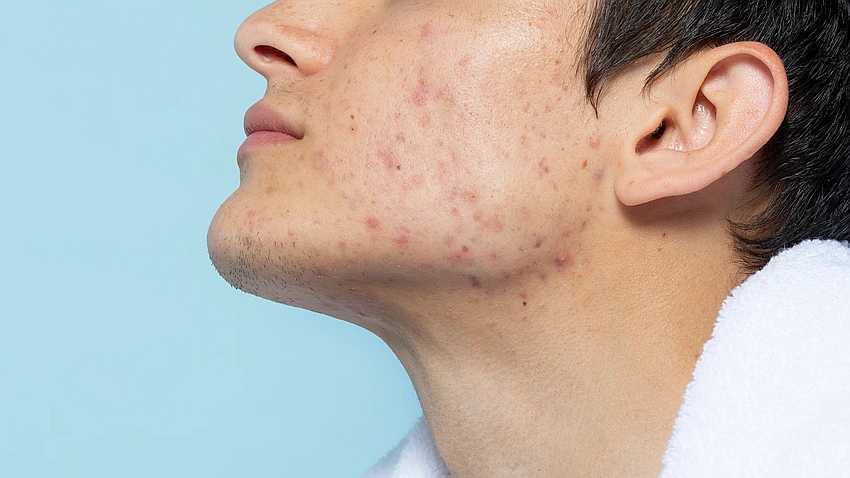
Modern routines often involve multiple serums, toners, treatments, and creams. While each product may be beneficial individually, combining them can overwhelm the skin.
Ingredient conflicts may lead to excessive exfoliation, dehydration, or irritation. For example, using several active ingredients simultaneously can strip protective lipids and disrupt pH balance.
Signs of product overload include tightness, dullness, sudden sensitivity, and clusters of small inflamed bumps. Simplifying the routine usually allows the skin to recover.
Timing Matters More Than You Think
Introducing new products too frequently makes it difficult to identify the cause of a reaction. Skin needs at least several weeks to adapt to active ingredients.
A gradual approach helps minimize risk. Start with one new product at a time and monitor changes carefully. If irritation occurs, discontinuing the most recent addition often resolves the issue.
Seasonal factors also influence tolerance. Skin may be more sensitive during winter due to dryness or during summer due to heat and sweat.
Psychological Stress and Expectation Pressure
Ironically, the emotional investment in skincare improvements can heighten stress when results are not immediate. Stress hormones themselves can worsen acne, compounding the problem.
Impatience often leads to frequent product switching, which prevents the skin from stabilizing. Consistency and patience are essential for meaningful improvement.
Understanding that setbacks are common can reduce anxiety and help maintain a calmer approach to treatment.
How Long Purging Should Last
True purging typically resolves within one to two skin cycles, roughly four to eight weeks. Breakouts gradually decrease in frequency and severity as underlying congestion clears.
If acne continues worsening beyond this timeframe, it is more likely a reaction rather than purging. Persistent irritation warrants reevaluation of the routine.
Keeping a skincare journal can help track patterns and identify triggers.
Safe Ways to Support Skin During Transition
Instead of attacking breakouts aggressively, focus on stabilization. Gentle care helps the skin adapt without escalating inflammation.
Helpful strategies include:
• Using mild cleansers that do not strip natural oils
• Avoiding physical scrubs that can irritate inflamed skin
• Maintaining consistent hydration
• Protecting skin from excessive sun exposure
• Resisting the urge to pick or squeeze blemishes
Targeted treatments should be used sparingly to avoid overwhelming already stressed skin.
Conclusion
Breakouts after starting new skincare are not always a sign of failure. They may represent accelerated renewal, irritation, or barrier disruption. Understanding the difference between purging and negative reactions empowers you to make informed decisions rather than abandoning treatments prematurely or worsening damage through overcorrection.
Supporting the skin with gentle, balanced care allows it to recalibrate and heal. When individual blemishes need attention during this transition, a precise acne spot corrector gel 🔗 can help calm inflammation without disrupting surrounding areas, allowing progress to continue without additional stress on the skin.
Call to Action
Navigating skincare reactions can feel overwhelming, but the right guidance and products make a significant difference. Explore carefully selected solutions at World of California 🔗 to support your skin through every phase of its journey. Thoughtful choices and consistent habits can help you achieve clearer, healthier skin over time.
FAQs
1. How can I tell if my skin is purging or reacting badly?
Purging occurs in usual breakout areas and improves over time, while reactions often involve new areas, irritation, or worsening inflammation.
2. Should I stop using a product if I start breaking out?
If symptoms suggest irritation or allergy, discontinue use. If signs point to purging, continue cautiously while monitoring progress.
3. Can purging cause cystic acne?
It may bring deeper clogs to the surface, but severe cystic breakouts often indicate irritation rather than typical purging.
4. Is it safe to use multiple active ingredients together?
Combining too many actives increases the risk of irritation. Introduce them gradually and monitor your skin’s response.
5. How long should I wait before expecting results from a new routine? Most skincare treatments require at least four to eight weeks to show noticeable improvement.
