US Warns Shippers Against Hormuz Toll, Threatens Sanctions Risks

US Warns Shippers Against Hormuz Toll, Threatens Sanctions Risks
As Hormuz tensions flare, Washington cautions shippers about tolls and sanctions, while regional actors warn of escalating risks and diversions to alternative routes.
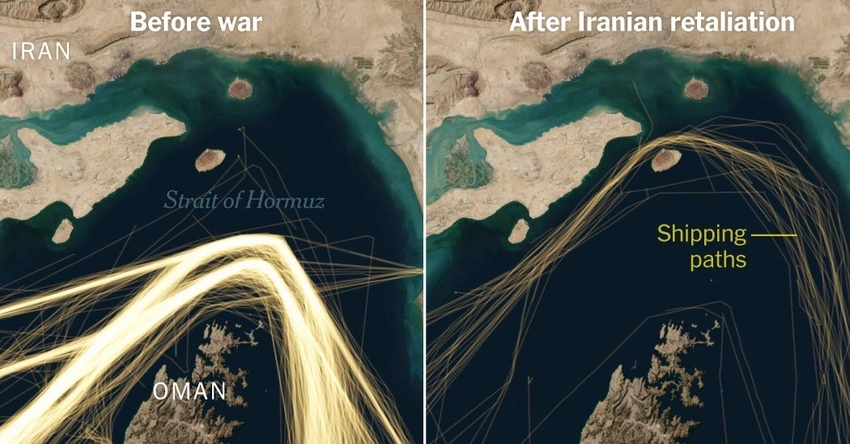
The Strait of Hormuz, a gateway for a quarter of the world’s ocean-borne oil, is again at the center of a worrying standoff. The United States has warned shippers not to pay any Hormuz tolls or fees that could trigger sanctions, signaling that any payments tied to the strait may be treated as a violation. The move comes as tensions in the region intensify and the route remains a focal point for global energy markets.
Meanwhile, regional voices have sharpened their rhetoric. The United Arab Emirates has labeled Iran’s actions as treacherous, asserting that Tehran cannot be trusted over Hormuz. The claim dovetails with a broader assessment that the strait has been effectively blocked for some time, complicating navigation and raising the stakes for international commerce. In response, experts warn that bypassing Hormuz is no simple task, pushing Gulf shipping toward alternative paths and closer scrutiny of insurance and security costs.
With options limited and the route partially off-limits, vessels have been diverted toward trajectories along the Red Sea coast. Analysts caution that these diversions, while technically feasible, come with their own set of challenges, from longer transit times to heightened exposure to regional disruptions. The evolving dynamics threaten to tighten already tight logistics chains, potentially nudging up freight rates and energy prices as traders reassess routes, risks, and insurance coverage. As policymakers weigh sanctions versus diplomacy, the path forward remains uncertain, underscoring how a single sea lane can ripple across global markets.
