Rahul Gandhi Slams India-US Trade Deal, Warns on Data Sovereignty

Rahul Gandhi Slams India-US Trade Deal, Warns on Data Sovereignty
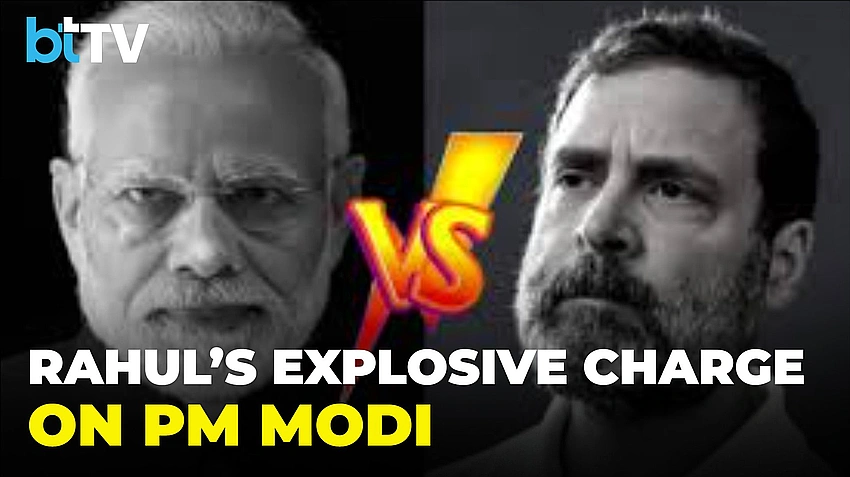
In Parliament, Rahul Gandhi questions the India-US trade pact, accusing the government of surrendering data sovereignty and economic autonomy amid a heated debate on digital trade.
In Lok Sabha, Congress leader Rahul Gandhi pressed the Modi government on the India-US trade deal, arguing that the agreement risks India’s strategic autonomy and data sovereignty. He cautioned against equating India with Pakistan, citing comparisons to the United States’ engagement with Pakistan’s military leadership as part of a broader geopolitics backdrop. Gandhi alleged that the trade pact would facilitate free data flow to the United States, remove data localisation requirements, and cap digital taxes while waiving disclosure of source code. He also claimed that the deal would bring a 20-year tax holiday for foreign tech companies and grant tax benefits that could tilt the playing field away from Indian startups and small and medium enterprises.
Gandhi further asserted that India’s farmers, textile sector, energy security, and overall economic sovereignty would be compromised under the terms of the agreement. He framed data as a crucial asset in the evolving US-China contest, arguing that access to Indian data under the proposed deal could influence global power dynamics and the future of the dollar’s prominence. The opposition leader insisted that the deal represents a significant shift in how India manages digital trade rules and data governance, with potential long-term consequences for domestic industries and national security.
During the debate, Gandhi said no Indian Prime Minister would sign such an agreement under external pressure, underscoring the importance of safeguarding sovereignty in a rapidly digitalising economy. The government’s defenders contend that modernising trade with the United States is essential for investment, innovation, and growth, but critics say the specific terms threaten data privacy, localisation, and the ability of Indian firms to compete on a level playing field. As Parliament continues to scrutinise the details, the rhetoric highlights a broader clash over who controls India’s digital future and how data is treated in a global economy.
