AI's IPO Reality: Cerebras's 10% Dip a Wake-Up Call?

AI's IPO Reality: Cerebras's 10% Dip a Wake-Up Call?
The euphoria of AI IPOs is meeting market reality. After its May debut, chipmaker Cerebras saw a 10% drop and forecast shrinking margins. What does this mean for other AI startups?
Beyond the Hype: The Reality Check for AI Startups Post-IPO
We've all seen the dazzling headlines: AI is the future, and startups are poised to change the world. The hype cycle for artificial intelligence has been in full swing for years, culminating in a flurry of companies hitting the public markets. Going public, for many, feels like the ultimate validation, the finish line after years of intense development and venture capital raises.
But let's be crystal clear: an IPO isn't a finish line; it's merely the starting gun for an entirely new race, one where public market scrutiny is relentless.
The Cerebras Case Study: A Stark Reminder
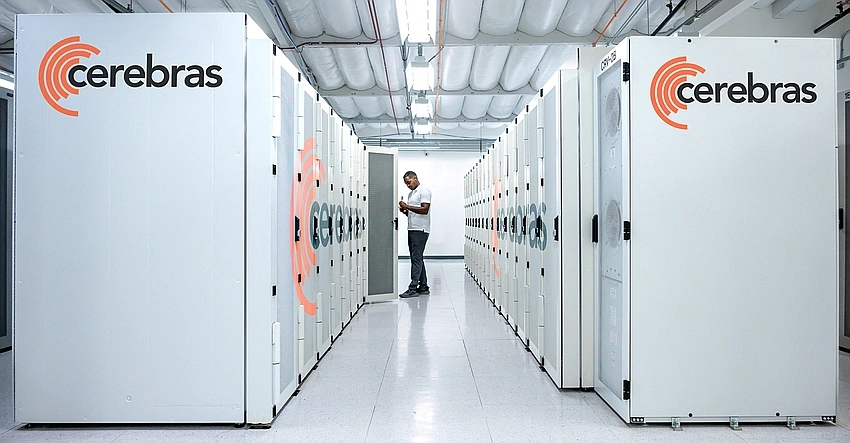
The recent performance of Cerebras offers a potent, immediate lesson. As a 'pureplay AI company' that went public on the Nasdaq in May, there was significant anticipation. This was a chance for Wall Street to get a direct stake in a company solely focused on advanced AI chip technology.
Yet, shortly after its market debut, the reality check arrived.
Cerebras saw its stock fall a dramatic 10% following its first earnings report as a public entity. The critical driver?
A forecast for a 'shrinking margin'.
It's a loud signal. While the potential for AI remains enormous, investors are moving beyond speculative growth to demand concrete financial performance. The days when a compelling narrative alone could sustain a high valuation are rapidly fading, especially once a company is accountable to public shareholders.
What “Shrinking Margin” Really Means
A 'shrinking margin' for a chipmaker like Cerebras points to fundamental pressures. It could indicate increasing competition driving down prices, escalating costs of production, or simply a market that isn't willing to pay a premium for growth without clear profitability. For an AI hardware company, which relies heavily on R&D and manufacturing capital, maintaining healthy margins is crucial for long-term viability and continued innovation.
Implications for the Broader AI Startup Landscape
What does Cerebras's experience tell us about other AI startups eyeing the public markets? Plenty.
The market is maturing, and investors are getting savvier.
The key takeaways for aspiring public AI companies are critical:
- Financial Discipline is Paramount: Forget the 'growth at all costs' mantra. Sustainable profitability and a clear path to it are now non-negotiable.
- Revenue Quality Matters: It’s not just about how much revenue you generate, but how efficiently you generate it and if that revenue is truly recurring and scalable.
- Transparency and Realistic Forecasts: Under-promising and over-delivering beats aggressive, unattainable targets every single time. Cerebras’s margin forecast likely spooked the market because it reset expectations downwards.
- Product-Market Fit Beyond the Hype: Does your AI solution solve a real, pressing problem that customers are willing to pay for consistently? The 'build it and they will come' approach is dead in the public market.
The euphoria surrounding AI IPOs was perhaps inevitable, but the market always has a way of introducing gravity. For AI startups, Cerebras's 10% drop and 'shrinking margin' forecast serve as a powerful reminder that going public means trading the excitement of potential for the rigor of consistent performance. The honeymoon phase is over, and it's time for AI companies to prove their long-term value, not just their disruptive potential.
