Trump Defends H-1B Visas, Says U.S. Needs Foreign Talent

Trump Defends H-1B Visas, Says U.S. Needs Foreign Talent
Trump argues the U.S. must attract skilled workers with H-1B visas even as he tightens rules, a stance that underscores a larger debate about balancing opportunities for American workers with global talent.
In a recent Fox News interview, Trump defended the use of H-1B visas, insisting that the United States cannot rely solely on domestic workers and must bring in talent from abroad. He framed the visa program as a necessary tool to keep the U.S. competitive, arguing that there are areas where Americans are not available in sufficient numbers and that certain skills must come from outside the country. He emphasized that the U.S. is leading in AI and boasts the strongest economy, insisting there will never be a country like the United States today.
During the exchange, host Laura Ingraham pressed on whether visa policy would remain a priority given a push to raise wages for American workers by limiting foreign labor. Trump acknowledged the tension: while agreeing with the need to protect American workers, he argued that talent must still be brought in when a country truly needs it. He offered a pointed example, noting that not every job can be filled by workers who emerge from unemployment lines, including highly specialized roles like missile manufacturing.
The remarks come amid broader policy moves and backlash over H-1B restrictions. Critics argue the crackdown could curb innovation and slow hiring for highly skilled roles in technology and manufacturing. Reports in global business circles have highlighted how tougher immigration rules and higher visa costs have spurred Wall Street and tech firms to rethink their footprints, with expansion activity noted in India’s tech hubs. Cities such as Bengaluru, Hyderabad, Gurugram, and Mumbai are increasingly cited as destinations for financial and tech talent as some international banks shift hiring abroad to access skilled workers at lower costs and with fewer bureaucratic hurdles.
The unfolding debate captures a broader clash: protecting American workers while preserving the U.S.’s edge in technology and innovation. Supporters argue that strategic talent pipelines are essential for long-term growth, while opponents worry about wage stagnation and the ability to fill critical roles. As policy rhetoric hardens on both sides, the tech and finance sectors will watch closely how visa rules evolve and what that means for hiring, wages, and global competition.
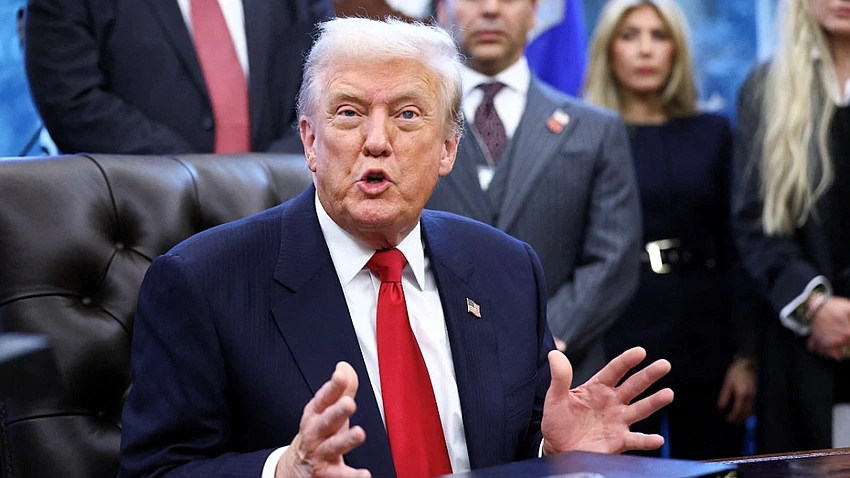
Cover image source: Trump defends skilled foreign workers even as his H-1B crackdown sparks backlash 🔗
