Europe rethinks security ties as autonomy calls rise at Munich

Europe rethinks security ties as autonomy calls rise at Munich
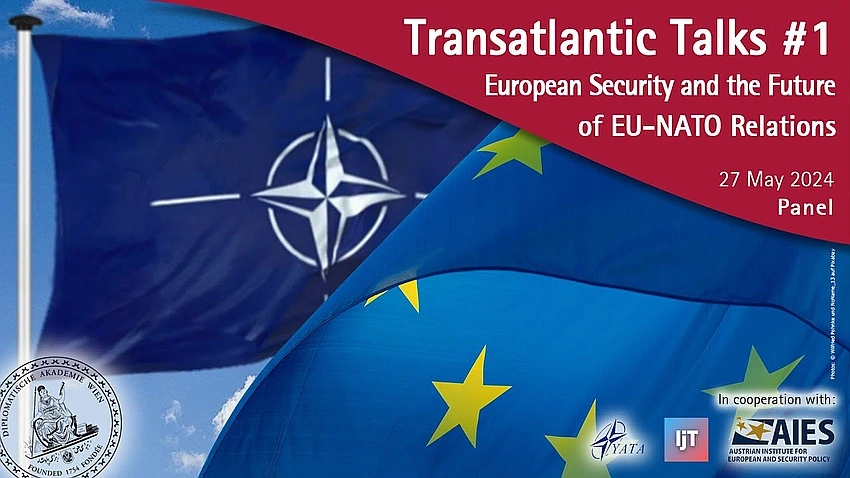
Europe weighs security autonomy within NATO as transatlantic ties show strain amid a shifting global order and ongoing conflicts.
At the annual Munich Security Conference, European and American leaders painted a portrait of a shifting security order. A leading European figure warned that the international rules-based system no longer exists, signaling deep unease about long-standing US security commitments. Another prominent European figure pressed for greater European military autonomy within NATO, arguing that Europe must become a stronger pillar of the alliance rather than a junior partner.
On the U.S. side, a senior American official offered a pragmatic path forward—an alliance grounded in shared history and cultural ties rather than solely shared strategic interests. The message was conciliatory, yet it reflected tensions pitting loyalty to alliance rhetoric against the reality of political shifts at home.
Three broad challenges dominated the talks. First, a major land conflict on Europe's eastern flank has dragged on for four years, and Europe has answered with arms for Ukraine and sanctions against Russia. Yet decisive victory remains elusive. Second, Europe has depended on the U.S. for security since WWII, a posture that grew even deeper after the Cold War; with a more volatile U.S. political climate, many leaders worry about the sustainability of that arrangement. Third, the rise of far-right movements across Europe threatens the very idea of an inclusive Union, complicating efforts to present a united front in foreign policy and security.
Added to these concerns is a debate over rhetoric around civilizational erasure and the broader politics shaping Western alliances. There were mentions—often contested—about how domestic political currents in the United States could affect the transatlantic partnership, including controversial statements about resources and strategic priorities such as Greenland. The takeaway, officials suggested, is that alliance management requires steady diplomacy, not slogans, to prevent alliance fatigue.
Looking ahead, observers say Europe faces a balancing act: deter aggression and invest in defense where needed, expand cooperative partnerships elsewhere, and maintain a credible, values-based stance without fracturing the long-standing Atlantic community. The next steps will likely hinge on how quickly Europe can push for autonomy without abandoning its core alliance with Washington, especially as the security landscape grows more multipolar and the risks in the region remain high.
