The Grammys Problem: Why Music's Biggest Stars Are Bailing

The Grammys Problem: Why Music's Biggest Stars Are Bailing
Major artists like Drake, BTS, and Stray Kids are opting out of the 2027 Grammys. Is the Recording Academy losing its grip? We dive into why the music industry's biggest night is facing a relevance crisis.
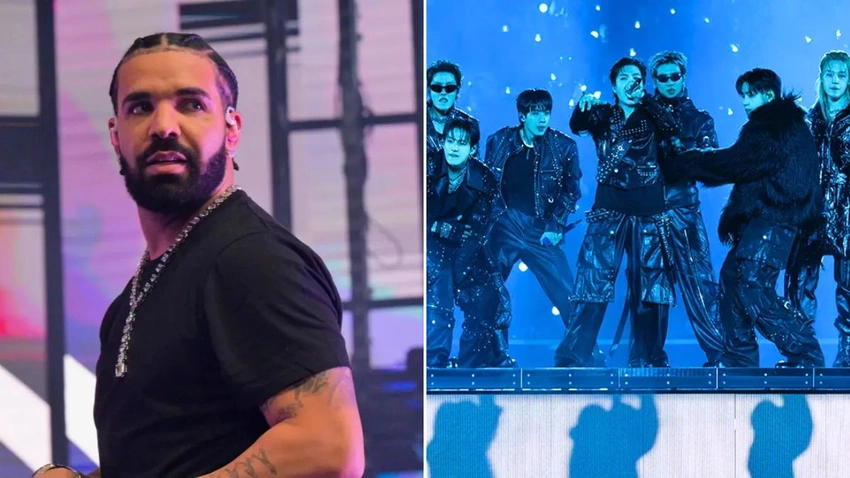
Are the Grammys still relevant? It's a question that echoes louder with each passing year, and the signs for the 2027 ceremony are increasingly stark. We're seeing some of the biggest names in music, Drake, BTS, Stray Kids, making it clear they won't be submitting their work for consideration.
It's a trend that highlights a simmering discontent within the music industry.
This year, music released between August 31st, 2025, and August 28th, 2026, is eligible, but the usual rush of submissions is already facing significant boycotts. We've seen this before with artists like The Weeknd, Frank Ocean, and Zach Bryan, who've all, at various times, opted out.
While The Weeknd famously returned for a performance in 2025, the underlying frustrations that led to his initial pull in 2021: citing 'secret committees': haven't entirely disappeared.
The Elephant in the Room: New Categories
One major flashpoint for the 2027 Grammys is the introduction of a new 'Best Asian Pop Music Performance' category.
While seemingly a step towards inclusivity, it has caused significant backlash, particularly within the K-pop community. BTS, for instance, announced in July that they wouldn't submit their 2026 comeback album, ARIRANG .
Their statement was direct:
We hope music can be heard and loved for what it is, rather than being divided into region or language.
This powerful stance against categorization speaks volumes about how artists feel their work is being segmented.
Recording Academy CEO Harvey Mason Jr. initially acknowledged the uproar, even suggesting the category might be scrapped. However, he later confirmed it would remain for 2027, stating, “We understand this conclusion will not satisfy everyone, and that never feels good. But at the same time, we are confident it's the right conclusion for the music community overall.” This decision cemented the boycotts.
Major Players, Major Statements
Stray Kids followed suit, quietly confirming they wouldn't submit their 2026 EP This & That for Grammy consideration. Their label, JYP Entertainment, simply stated, “Stray Kids did not submit for the Grammys,” just a day after Mason Jr.'s confirmation. These moves from two of K-pop's biggest groups send a clear message.
Then there's Drake. Billboard reported on October 5th that he won't submit music from his three 2026 albums - Iceman , Maid of Honor , and Habibti . Drake has a history of withholding his work, declining to submit More Life (2018), Certified Lover Boy (2021), and Honestly, Nevermind (2022).
His latest decision could stem from ongoing frustrations with the Recording Academy, perhaps exacerbated by Kendrick Lamar's 'Not Like Us' winning five Grammys at the 2025 ceremony amidst their public feud. He even foreshadowed this on Iceman track 'Make Them Know,' rapping, 'This album, I'm never submittin' it.'
What's Next for Music's Biggest Night?
The cumulative effect of these boycotts isn't just a missed nomination; it's a direct challenge to the Grammys' authority and perceived objectivity. When artists of this caliber - with global reach and immense cultural impact - choose to opt out, it forces us to ask: what value do these awards hold without their participation?
The Grammys have long been seen as the pinnacle of musical achievement, but if the pinnacle itself is being questioned by the very artists it seeks to honor, then a serious reckoning is long overdue.
The music world is watching to see how the Recording Academy will respond to this escalating crisis of credibility.
