Trump Slams Cuba with Tariffs on Oil Suppliers

Trump Slams Cuba with Tariffs on Oil Suppliers
US tariffs on countries supplying oil to Cuba could deepen Cuba's energy crisis, impacting Mexico's role and regional diplomacy.
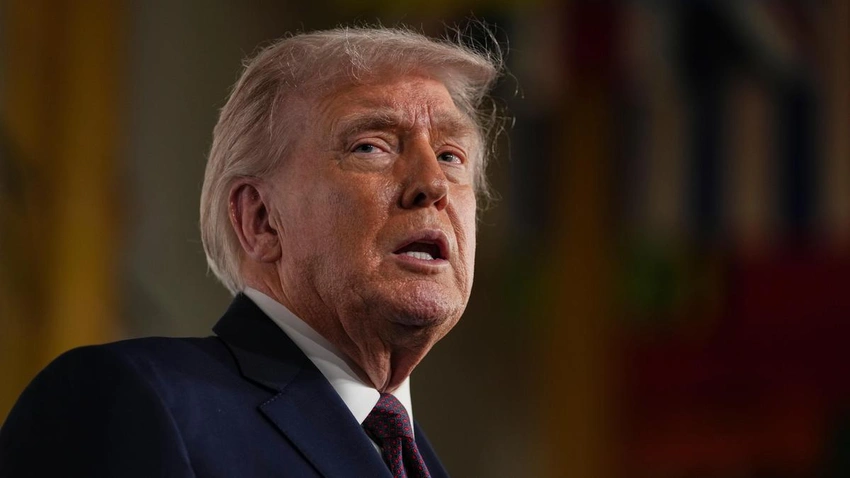
President Donald Trump on Thursday signed an executive order that would impose a tariff on any goods from countries that sell or provide oil to Cuba. The move, the White House says, is meant to pressure the Cuban government to reform and align with U.S. policy, but analysts warn it could further tighten Cuba’s already strained energy situation. The order could reach through regional suppliers, placing new economic pressure on allies who have served as Cuba’s oil lifeline, notably Mexico.
Cuba’s foreign minister Bruno Rodríguez condemned the step as a "brutal act of aggression" that threatens Cubans with "extreme living conditions." He accused the United States of using blackmail to compel other countries to join its blockade policy against Cuba. On Cuban state TV, a commentator argued that Cuba is not a threat, but is fighting crime and drug trafficking with a zero-tolerance stance.
Cubans are already grappling with an energy crisis that could worsen if oil flows shrink. Cuba reportedly has only about 15-20 days of oil on hand, and long blackouts have become commonplace during the energy crunch. Mexico has been a crucial oil supplier and has publicly supported the U.S. stance at times, even as its government tries to balance ties with Washington. The Cuban Deputy Foreign Minister Carlos F. de Cossio warned that the United States is tightening the blockade after decades of economic pressure and urged states to decide whether to export their own fuel to Cuba in the face of tariff coercion.
Experts say the tariffs could ripple beyond Cuba, affecting regional energy markets and sparking new diplomatic friction in an already tense Latin American security environment. For Cuba, the immediate challenge is stabilizing fuel supplies while Washington’s policy signal reverberates across the Caribbean.
