Centre Holds Key Talks as Oil Supply Tightens Amid Middle East Tensions

Centre Holds Key Talks as Oil Supply Tightens Amid Middle East Tensions
India watches oil markets as Middle East tensions threaten crude and LNG supplies, with the government promising steady domestic availability and affordable fuel.
The Centre has called a key meeting to discuss energy security as tensions in the Middle East intensify, with reports of disruptions in Qatar's LNG output and issues at a Saudi refinery. The developments come as Iran targets escalate, raising fears that shipments through critical routes could be affected and global markets may volatile. The government says it will monitor the situation closely and ensure continued domestic availability and affordability of petroleum products, even as the risk of supply interruptions remains elevated.
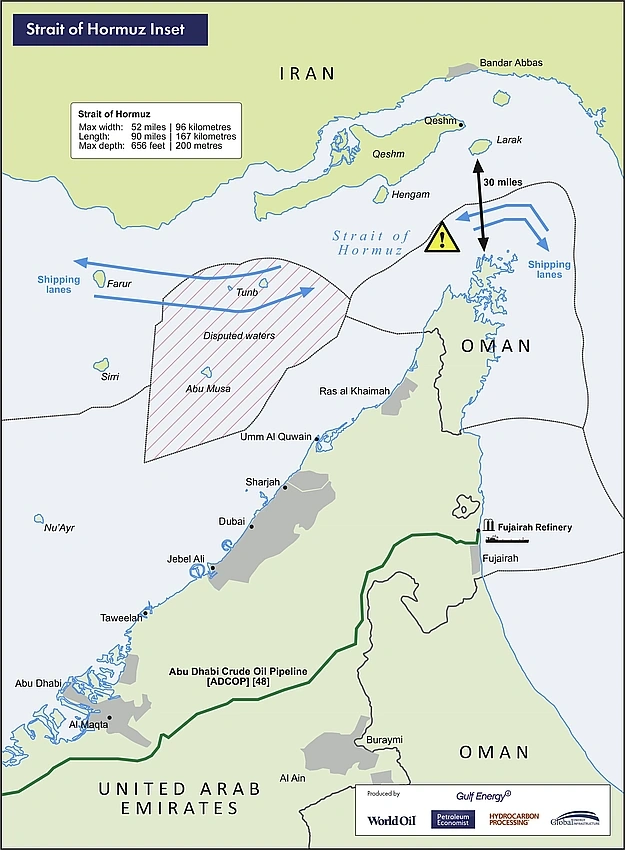
The Strait of Hormuz — a narrow, strategic waterway used for a large share of seaborne crude and LNG — sits at the heart of the risk. A disruption there could push crude prices higher and create knock-on effects for energy markets worldwide, including pressures on inflation and costs for households and businesses. In addition to potential oil shocks, LNG shipments and related energy supplies could face volatility, impacting industries that rely on steady energy access.
For India, a heavily import-reliant energy balance means policy makers are watching the situation closely. Officials say domestic fuel availability will be safeguarded and prices kept within reasonable bounds, with a focus on ensuring energy security through prudent sourcing, diversified suppliers, and coordinated refinery operations. Market watchers expect refiners to stay adaptable, ready to respond to changing supply conditions while maintaining steady output for transportation, power, and industry needs.
Analysts caution that even short-term disruptions can ripple through the economy, affecting inflation, the cost of goods, and balance-of-payments dynamics. Oil marketing companies are likely to stay in touch with government advisories, calibrating retail and wholesale pricing as necessary while contingency plans, including strategic reserves, could be activated if conditions worsen. The broader business community is watching how global partners respond and what this means for policy signals in the near term.
Looking ahead, authorities are expected to coordinate with oil producers, importers, and industry bodies to shore up supply lines and dampen price shocks. The outcome of these conversations will influence energy strategy, consumer prices, and the resilience of India’s energy framework as markets navigate a period of heightened geopolitical risk.

Login to comment.
No thots yet. Be the first to share your thoughts!