The Hidden Cost of 'Keeping Up': Why We Buy for Bragging Rights

The Hidden Cost of 'Keeping Up': Why We Buy for Bragging Rights
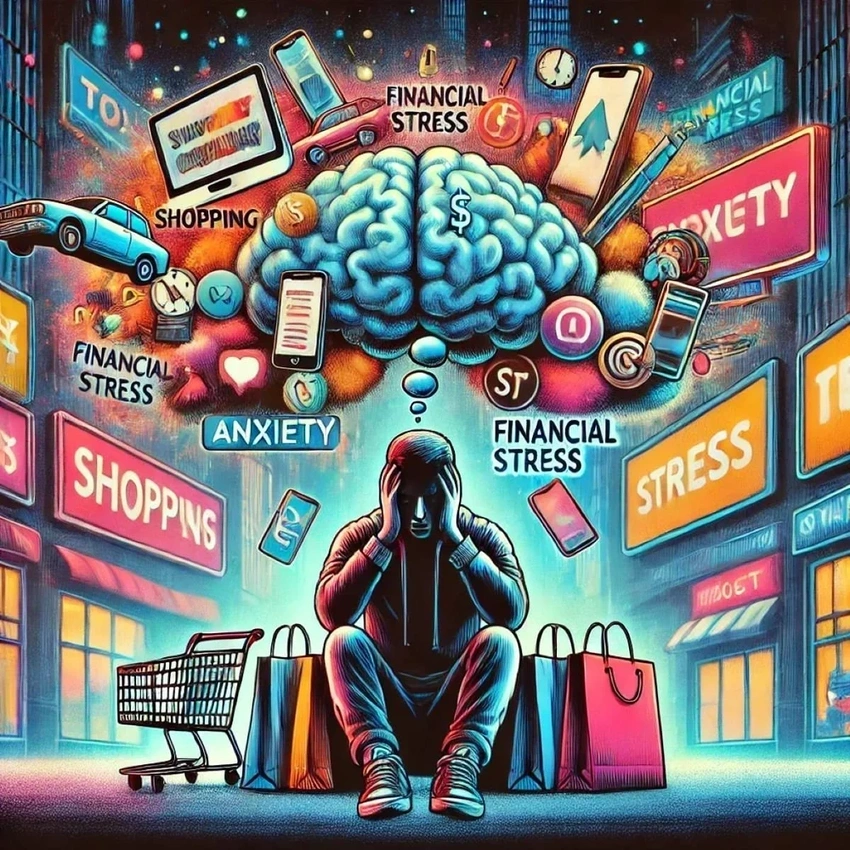
Unpacking how consumer culture fuels our anxieties about social standing. It's not about what we want, but who we're trying to impress (and why it rarely works).
The Universal Ache for More
That little pang, you know the one. It hits when a friend shows off their new luxury car, or a colleague casually mentions their latest designer purchase. It's not quite envy, not quite resentment, but a distinct twitch.
It's that feeling of falling behind, of not quite measuring up.
This isn't about wanting the item itself, not really. It's about something more primal: our perceived position in the social hierarchy. We're often buying not for utility, nor even genuine desire, but for status, a silent, ceaseless competition played out in our shopping carts and social feeds.
The Ghost in Our Shopping Cart
This peculiar modern malady has a name: status anxiety . As brilliantly dissected by Alain de Botton in his book of the same name, our sense of self-worth often becomes dangerously entangled with our position in society's pecking order. We crave not just wealth, but the respect that wealth often signifies.
Consumer culture, ever the astute observer, latches onto this. Brands sell us not just products, but promises: success, belonging, desirability. Our purchases become 'signaling behavior': unconscious messages we broadcast to others about our worth and place.
It's about telling a story.

The Vicious Cycle of Validation
Here's the paradox: we buy these things to impress others, often people we don't even genuinely like or respect. We chase external validation, only to find it as fleeting as a trending hashtag. The goal isn't true satisfaction, but a momentary elevation in the eyes of others, or in our own self-assessment relative to others.
As Alain de Botton points out, “Every society has a hierarchy, which its members are anxious to navigate successfully.” This deep-seated anxiety drives much of our consumer behavior. We compare ourselves to a generalized 'other' or specific rivals, perpetually trying to outdo them. This creates a 'treadmill of consumption' where new desires emerge as soon as old ones are met, because the real goal isn't attainment, but perceived elevation.
The Social Media Amplifier
If status anxiety is a quiet hum, social media turns it into a blaring siren. Every perfectly curated feed becomes a benchmark. We see the highlights, the designer vacations, the flawless homes - not the struggles, the debt, or the endless filters.
This creates an illusion of widespread success and effortless happiness that most of us don't feel, driving us to acquire more 'evidence' of our own 'success.'
It's a never-ending performance, where our online identity often feels more real than our actual daily lives. The 'likes' and comments become digital applause, further solidifying the link between our possessions and our sense of worth.

What's Worth Buying?
So, how do we break this spell?
Recognition is the crucial first step. Understanding that much of our desire is externally motivated: a performance for an imagined audience, rather than a true need.
It's about shifting our focus from external validation to internal worth.
What truly brings you joy and meaning? Is it the luxury watch, or the time spent with loved ones?
The designer handbag, or the freedom from debt?
As my friend Sarah always says, 'True wealth isn't what you own, but what you can do without.' Perhaps the most impressive thing we can acquire is clarity about our own values, independent of what anyone else thinks.


Login to comment.