Gold and silver plunge as West Asia crisis rattles markets

Gold and silver plunge as West Asia crisis rattles markets
Gold and silver slip to multi-month lows as risk-off sentiment grows and oil spikes, rattling investors worldwide.
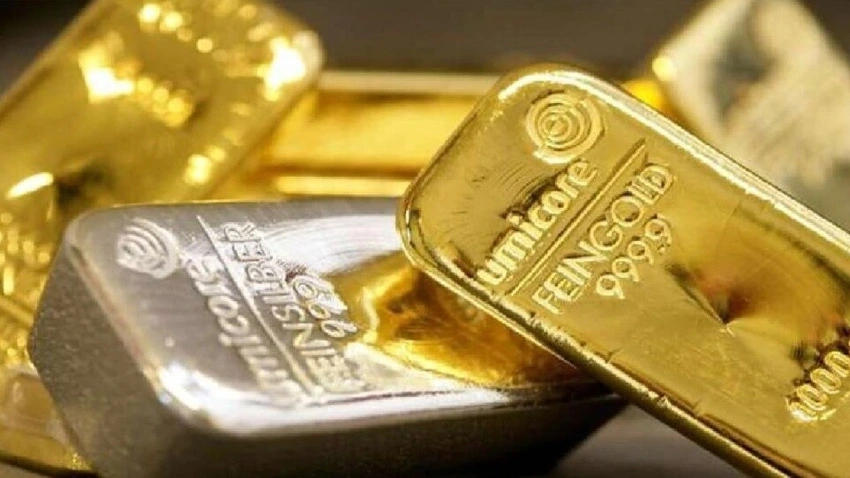
Massive selling in precious metals sent gold and silver down more than 7 percent each to multi-month lows as investors pulled back from riskier assets amid rising turmoil in West Asia. Silver futures dropped for the ninth straight session, hitting a three-month low, while gold also slid over the past week, plunging about 26 percent from its peak earlier this year. The moves reflect a broader shift where cash is favored as uncertainty over how the conflict will unfold grows, and some traders say investors are liquidating bullion and other assets to shore up cash reserves.
The flare-up in the region, now in its 24th day, has disrupted energy supply chains and pushed crude oil to a multi-year high. India, which imports a large portion of its energy, has seen its crude oil basket double in less than a month, with prices topping $155 per barrel. A $10 rise in oil can lift India’s annual oil import bill by billions of dollars, intensifying inflation worries and pressuring central banks to consider tighter policy.
Meanwhile, bond markets moved higher on inflation fears tied to higher oil costs. The US 10-year yield climbed to around 4.42 percent, a level not seen since mid-2025, while the 30-year yield neared 5 percent. Bond investors have become wary that inflation could stay elevated, potentially forcing rates higher for longer. In this climate, diversification and risk management have returned to the forefront for many portfolios, as traders weigh whether the current downturn in metals is a temporary pullback or the start of a broader correction.
Analysts note that the typical correlation—where escalating geopolitical risks bolster both crude and defensive assets like gold—has shown signs of breaking as oil volatility drives new dynamics in inflation expectations and central-bank response. As the situation evolves, traders will be watching currency moves, yields, and demand for exchange-traded funds to gauge the trajectory of metals in the near term.
