Coltan Mine Collapse in Rubaya Kills 200+ in Congo

Coltan Mine Collapse in Rubaya Kills 200+ in Congo
More than 200 people die after a landslide at Rubaya’s coltan mine in eastern DRC, with officials warning the toll could rise amid rescue efforts.
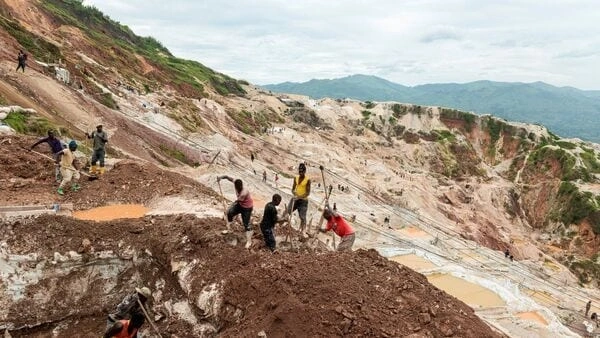
A devastating landslide at the Rubaya coltan mine in eastern Democratic Republic of Congo has killed more than 200 people this week, with an adviser to the governor saying the number of confirmed dead stood at least 227. The Rubaya site, which has been a focal point of artisanal mining, is known to produce about 15% of the world’s coltan, a tantalum mineral used in mobile phones, computers, aerospace components and gas turbines. The mine has been under the control of the M23 rebel group since 2024, and authorities have temporarily halted artisanal mining there while ordering residents who built shelters near the mine to relocate for safety.
The collapse occurred on Wednesday, and the toll remained uncertain as relief workers continued to search the mud for survivors. Several people were injured and taken to health facilities in Rubaya, with hospitals preparing to transfer the seriously wounded to Goma, roughly 50 kilometers away. The crisis has drawn attention to the precarious conditions in which many miners labor and the broader security challenges that complicate relief efforts in eastern Congo.
Allegations have circulated that the M23 group has plundered Rubaya’s mineral riches to fund its insurgency, a claim the rebels deny. The incident has prompted authorities to halt artisanal mining at the site and relocate residents who had set up shelters nearby. As rescue and recovery operations continue, the tragedy highlights the hazards of artisanal mining and the global demand for minerals used in everyday electronics. Experts say addressing safety, governance, and supply-chain pressures is essential to prevent future catastrophes while supporting communities dependent on mining for livelihoods.
