Vonder Glasses: Your Mind's New Mapper? The Ultimate Wearable Just Arrived

Vonder Glasses: Your Mind's New Mapper? The Ultimate Wearable Just Arrived
Viture’s new Vonder glasses are changing the game. No cameras, just advanced AI and bone-conduction tech to map your mind and boost personal growth. Is this the future of smart wearables?
The world of smart wearables is always evolving, but rarely do we see a product that aims to map our inner thoughts and potentially make us “better people.” Yet, that's precisely the ambition behind Viture’s new Vonder AI glasses.
Imagine this: you're yelling at your kid during a tennis match, caught up in the heat of the moment. Suddenly, your smart glasses send you a quiet message. Their AI assistant has recognized your unhelpful behavior and offers advice, stop shouting, be present, show support.
That's the real-world impact described by Viture cofounder and CEO David Jiang, who claims this kind of intervention, from his own unreleased Vonder glasses, transformed his relationship with his son.
The Future of Personal AI
“I didn't know this until Vonder could find my pattern,” Jiang says, highlighting the device’s core promise:
This is not only a tool that can summarize your life, but also a tool that can help yourself to be a better person.
This isn't just about recording data; it's about personalized insight and growth.
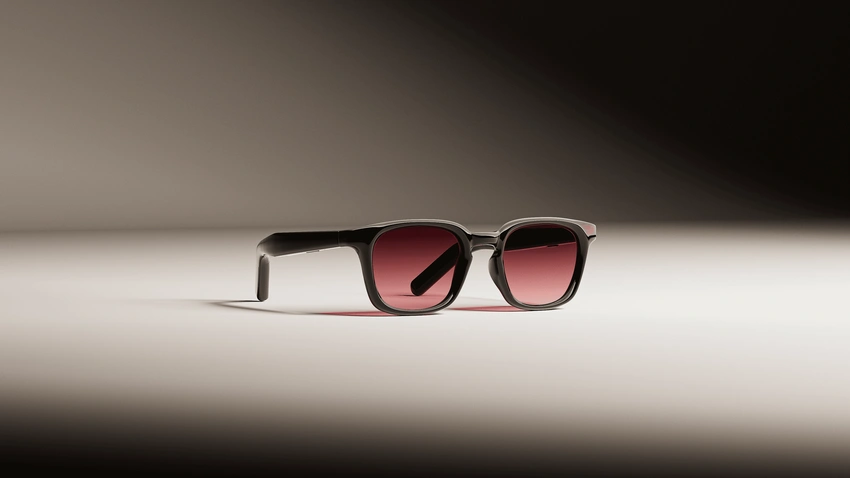
Vonder glasses mark a significant pivot for San Francisco-based Viture, a company previously known for its virtual display glasses like the Viture One, which targeted gamers. Unlike their predecessors, Vonder completely foregoes a virtual display and crucially, embeds no cameras . Instead, they look remarkably like normal glasses, aiming to map your memories, ideas, and goals, plonking them onto a digital vision board, all without visual recording.
Privacy-First 'Mind-Mapping' Tech
How do they achieve this without cameras? Vonder utilizes bone-conduction sensors within the frames. These passively pick up the audio vibrations from the wearer's own speech throughout the day, boasting an impressive 16 hours of battery life.
While there's a 'meeting mode' for recording ambient sound, the primary focus is on your internal monologue and verbalized thoughts. When recording, a small blue indicator light on the arm signals its activity, a subtle yet important privacy feature.
This approach directly addresses the privacy concerns that have plagued other smart glasses, such as Meta’s Ray-Bans. Viture makes it clear: they want Vonder to be a good pair of glasses first, one that operates privately, so users feel comfortable wearing them without being labeled “a creep.”
Intelligent Assistant Integration
Beyond bone-conduction mics, Vonder features an integrated AI assistant. This isn't just one large language model, but a sophisticated system that combines the top players: OpenAI's ChatGPT, Anthropic's Claude, Google's Gemini, or even DeepSeek.
Vonder AI intelligently sources answers from whichever model is quickest and most economical for the task at hand.
The glasses are priced at $299, can be fitted with prescription lenses, and come in various frame shapes, colors, and lens options (clear, transition, shaded). Preorders launch on September 28, with shipments expected in November. With its innovative, privacy-centric design and powerful AI, Vonder is poised to redefine what we expect from a personal wearable.
Could these 'mind-mapping' spectacles truly be the ultimate tool for self-improvement?
