Trump calls India Gate 'beautiful,' vows it will be greatest

Trump calls India Gate 'beautiful,' vows it will be greatest
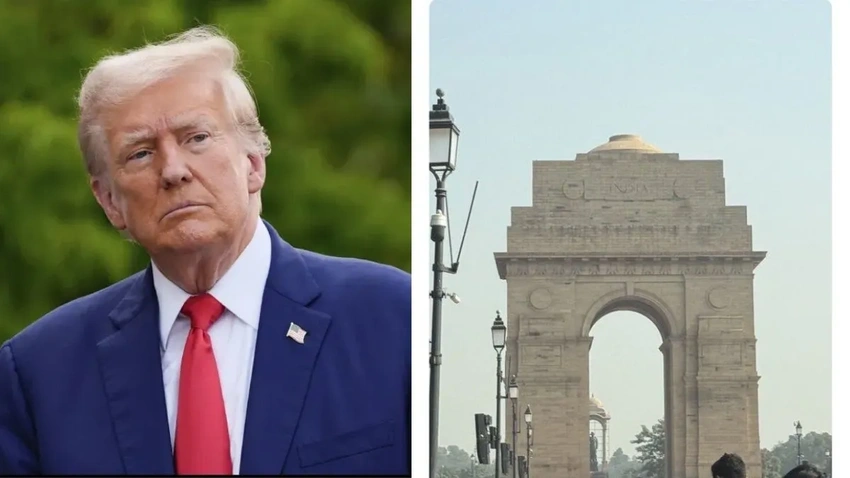
Trump posts a photo of India Gate, calls it beautiful and says it will be the greatest, while hinting Washington's arch should also be the biggest.
Donald Trump sparked a quick online buzz when he posted a photo of India Gate, describing the Delhi landmark as 'beautiful' and declaring that 'Ours will be greatest of them all!' The caption, echoed by several followers who shared the post, stitched together a moment of cultural praise with a bold political flourish. In a single line, he gave a nod to a grandiose vision, blending admiration for a foreign monument with a bold claim about future American achievement. The message arrived amid a steady drumbeat of coverage of his public remarks on social media, where symbols and monuments often serve as shorthand for larger ideas about power, national pride, and competitive spectacle.
Alongside the India Gate boast, a second line of the post drew attention to Washington DC. Trump reportedly said he would like the triumphal arch in DC to be the biggest of all. That remark, captured and highlighted by outlets tracking his online activity, underscores a recurring pattern: the comparison of iconic structures across continents and a push to measure national prestige through new milestones. The timing of the two comments fed a narrative that symbols can travel quickly on social media, even when the substantive policy debate remains elsewhere.
Reaction to the posts has been swift and varied. Some readers interpret the remarks as harmless showmanship—an attempt to spark dialogue about monuments and memory. Others view them as a distraction from policy discussions or a display of bravado that invites criticism. In the chatter that follows, the India Gate post sits beside chatter about whether the Washington arch would ever exist or whether such claims should matter in real-world diplomacy.
Across the coverage, India Gate remains a striking focal point of attention as a landmark in Delhi. The exchanges highlight how social media can turn a single image and a few words into a global conversation about history, politics, and the symbolism of public architecture. Whether the talk ends up shaping perceptions or simply entertaining online audiences, the moment shows how a landmark can become a mirror for competing national narratives on the world stage.
