VAR at World Cup 2026: Tech's Perfect, Human Calls Still Flawed?

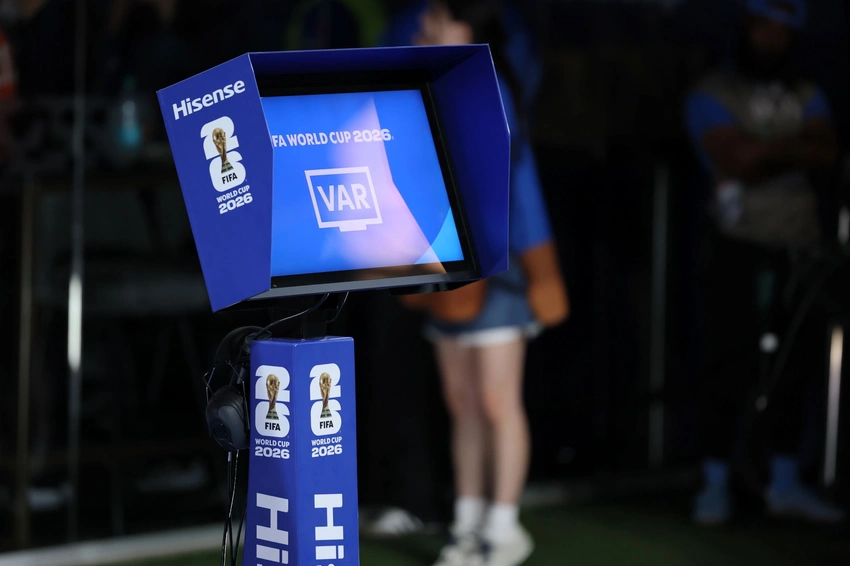
VAR at World Cup 2026: Tech's Perfect, Human Calls Still Flawed?
VAR at the 2026 World Cup has caused controversy. The tech is advanced, but human interpretation of replays is still sparking debate. Why can't perfect tech lead to perfect calls?
The 2026 World Cup has once again thrust the Video Assistant Referee system, or VAR, into the spotlight, and not always for the right reasons. Despite advancements making this technology incredibly precise, we're still grappling with a fundamental question: if the tech is 'perfect,' why are its decisions still sparking such intense debate? The controversy isn't about what VAR shows , but what a human decides after seeing it.
Think about it: VAR provides an unparalleled level of visual evidence. We're talking about high-definition, multi-angle replays, frame-by-frame analysis, and sensors that can track movements with incredible accuracy. Objectively, it offers a near-perfect reconstruction of events.
It's a testament to how far sports technology has come, a true AI-assisted breakthrough designed to ensure fairness and reduce glaring errors. The system itself is a marvel of engineering, a clear example of technology enhancing our ability to observe and analyze split-second occurrences.
But here's the rub: that 'perfect' technology isn't making the final decision.
A human still is, often under immense pressure.
And that's precisely where the system frequently breaks down.
Consider the specific, controversial calls we've witnessed during the 2026 World Cup. The raw footage from VAR might show a contact, but was it a 'clear and obvious error' worthy of overturning the on-field decision? Was there intent?
Was the player's arm in an 'unnatural' position? They're questions of judgment, interpretation, and often, deeply subjective opinion. The technology presents facts, but the human brain assigns meaning, and meaning can vary wildly.
Even with rigorous training and established protocols, human referees bring their own perspectives, their own understanding of the game's flow, and yes, their own inherent biases, however unconscious. What one official sees as a legitimate challenge, another might view as reckless. The very definitions of complex actions like 'handling,' 'foul,' or 'simulation' often live in a grey area, not in binary code.
The technology clarifies what happened, but not necessarily why it happened or how it should be penalized according to the spirit of the game, which is still a vital, albeit unquantifiable, aspect of football.
This fundamental disconnect creates the frustration. Fans, players, and pundits aren't arguing about the video quality; they're arguing about the human decision made after reviewing the video. The irony is stark: we've invested heavily in tech to remove human error, only to find the human element stubbornly reasserting itself at the critical point of decision.
It's a recognition that simply giving humans better tools doesn't eliminate the human element of judgment.
It just shifts it, often from the field to a remote booth, but it remains human. Until we reconcile the objective power of AI with the inherently subjective nature of human interpretation, VAR, or any similar advanced decision-making system in sports, will continue to spark heated debate and controversy.
The 2026 World Cup has made that abundantly clear, highlighting that our biggest challenge isn't perfecting the tech, but perfecting how we integrate it with our imperfect human judgment.
