Delhi Police Notice to Penguin Over Naravane Memoir Surface Online

Delhi Police Notice to Penguin Over Naravane Memoir Surface Online
Delhi Police issue notice to Penguin Random House India as they probe how Naravane’s unpublished memoir surfaced online; publisher says no copies were published.
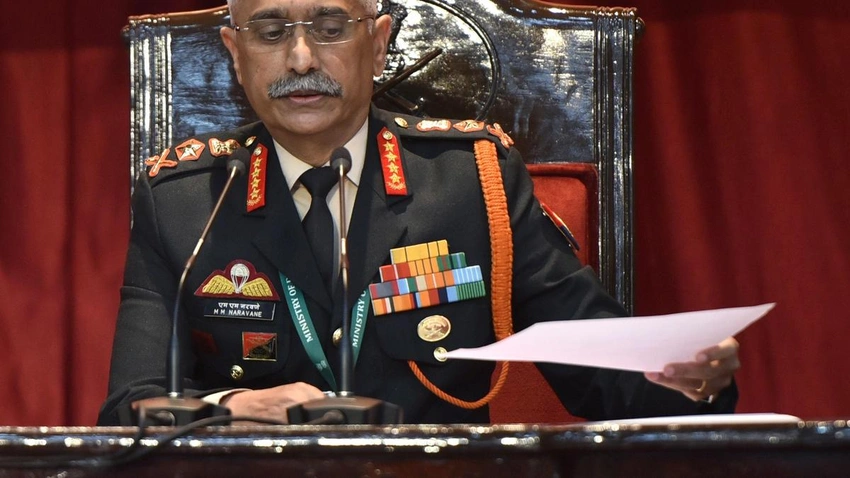
Delhi Police have issued a formal notice to Penguin Random House India as they investigate how copies of former Army Chief Gen M. M. Naravane’s unpublished memoir surfaced online. The inquiry centers on whether unauthorized copies were circulated before any official publication, and what channels enabled the material to reach the public domain. The memoir, reportedly titled Four Stars of Destiny, had been anticipated but not released, and authorities are examining the breach in confidential handling and potential copyright violations.
The police action comes amid broader public and political interest in the memoir’s contents and its timing. While the exact nature of the circulating material remains under scrutiny, the development highlights the sensitivity around pre-release literary work and how leaks can complicate a publisher’s launch plans. The investigation also touches on procedural questions about what constitutes publication when material is disseminated outside authorized channels, such as through informal pre-orders or unauthorized excerpts.
Penguin Random House India has publicly stated that no copies have been published, distributed, sold, or made available to the public. The publisher reaffirmed that pre-orders do not equate to publication and warned of potential legal action against unauthorized circulation. This stance adds a layer of complexity to the police inquiry, as officials weigh the difference between mere possession of pre-release material and actual distribution to readers.
Media reports have noted disputes over the memoir’s publication status, including claims by political figures and subsequent media coverage. In one account, a public figure continued to reference the memoir despite Penguin’s assertion that it remains unpublished; in another, news agencies cited a December 2023 excerpt carried by a news agency, suggesting competing narratives about what constitutes publication. The incident also raises questions about how leaks intersect with political discourse and the rights of authors, publishers, and readers alike.
Authorities have not ruled out filing a formal FIR as the investigation progresses. If proven, circulating unpublished material could carry legal penalties for copyright infringement and other related offenses. For now, the case underscores the ongoing tension between transparency, media interest, and the protections surrounding unpublished literary works, with Delhi as the focal point of legal scrutiny and public scrutiny alike.
