Alito Recuses from Major Climate Case After Fossil Fuel Investment Scrutiny

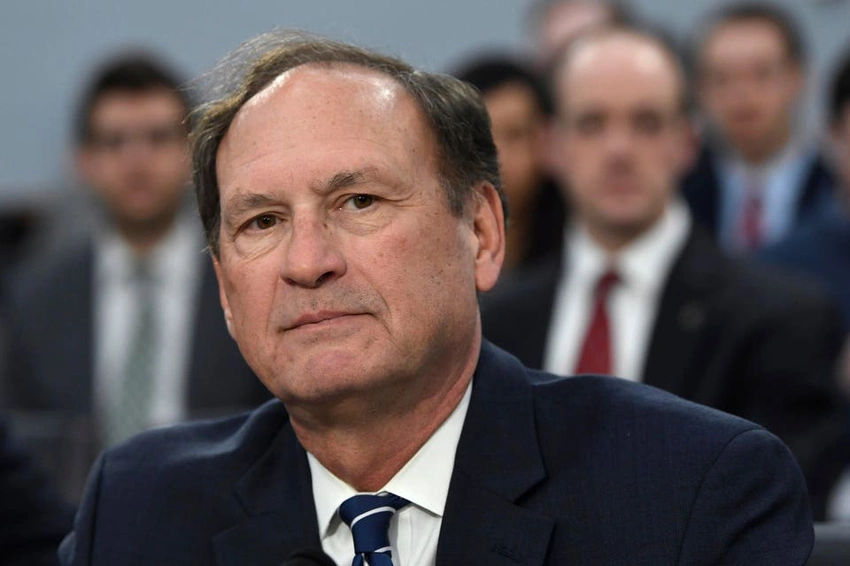
Alito Recuses from Major Climate Case After Fossil Fuel Investment Scrutiny
Supreme Court Justice Samuel Alito steps aside from a critical climate change lawsuit involving fossil fuel giants, raising questions about judicial impartiality and the case's future. What happens now?
Supreme Court Justice Samuel Alito has officially recused himself from a high-profile climate change case, a sudden reversal after the court previously stated his participation was not an issue. The decision comes after intense scrutiny over his investments in fossil fuel companies.
The Supreme Court clerk, Scott Harris, informed the parties involved in the case that "Justice Alito has determined that he will not continue to participate in this case." This unexpected move dramatically changes the landscape for the upcoming proceedings.
Environmental groups had strongly urged Justice Alito to recuse himself, citing potential conflicts of interest due to his financial ties to companies within the fossil fuel industry. Just last month, a Supreme Court spokeswoman had told NBC News that Alito would not step aside, stating he had no direct financial interest in the parties involved and that legal counsel had advised his recusal was not required.
His abrupt change of course now raises questions about the court's initial assessment.
The case in question involves a lawsuit brought by the city of Boulder, Colorado, and its surrounding county against oil giants ExxonMobil and Suncor Energy. The plaintiffs are seeking damages for alleged harms caused by the effects of global climate change, a significant legal challenge that could set a precedent for similar actions across the country.
With Justice Alito's recusal, the Supreme Court now faces the possibility of a 4-4 split ruling.
In the event of a tie, the lower-court decision that was being appealed automatically stands.
In this instance, a trial court had previously denied a motion by Suncor and Exxon to dismiss the case, a ruling that was then affirmed by the Colorado state Supreme Court.
Therefore, if the Supreme Court were to tie, the case would proceed toward trial, allowing Boulder's lawsuit to move forward against the oil companies.
This development underscores the ongoing debate about judicial ethics and financial transparency, particularly when cases involve industries where justices may have personal investments. The outcome of this case, now without Alito's participation, will be closely watched for its implications on both climate change litigation and the integrity of the nation's highest court.
