Paradise Lost and the Apple: Was Eve Really Wrong?

Paradise Lost and the Apple: Was Eve Really Wrong?
Paradise Lost and the Apple: Was Eve Really Wrong?
Explore how Milton reframes Eve's Genesis act into a dense drama about reason, desire, hierarchy, and freedom asking whether Eve was truly disobedient or if Milton invites us to doubt judgment in our own time.
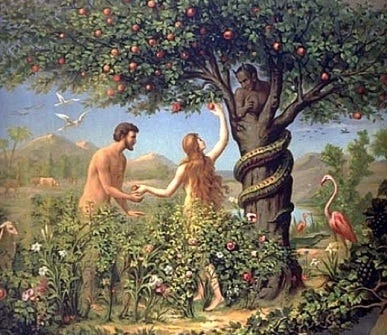
Few moments in literature feel as culturally loaded as Eve reaching for the forbidden fruit. The scene is inherited from Bible, yet immortalised and complicated by Paradise Lost by John Milton. What reads in Genesis as a concise act of disobedience becomes, in Milton’s epic, a psychologically dense drama about reason, desire, hierarchy, and freedom.
So, was Eve really wrong to eat the apple or does Milton invite us to hesitate before delivering judgment?
The Biblical Baseline: Disobedience and Consequence
In Genesis (chapters 2-3), the structure is stark. God prohibits the fruit; the serpent tempts; Eve eats; Adam follows; consequences unfold. The moral framework is unambiguous: the act is disobedience. The theological emphasis falls on sin, fallenness, and the rupture between humanity and God.
Importantly, the text is economical. Eve’s interiority is lightly sketched. We are told she sees that the fruit is “good for food” and “to be desired to make one wise,” but the narrative does not linger over existential reflection. The story functions doctrinally: explaining mortality, labour, and suffering within a moral universe anchored by divine command.
Within this framework, “wrongness” is defined by transgression against God’s authority.
Milton’s Expansion: From Allegory to Psychology
Milton, writing in the seventeenth century, transforms the episode. The fall occupies Book IX, and Eve is no mere symbol of weakness. She deliberates. She reasons. She argues.
Milton gives Eve a recognisably human consciousness. She weighs curiosity, ambition, and independence. The fruit is not simply eaten; it is contemplated. The reader is drawn into her logic: the desire for knowledge, the appeal of self-elevation, the possibility of becoming “more equal.”
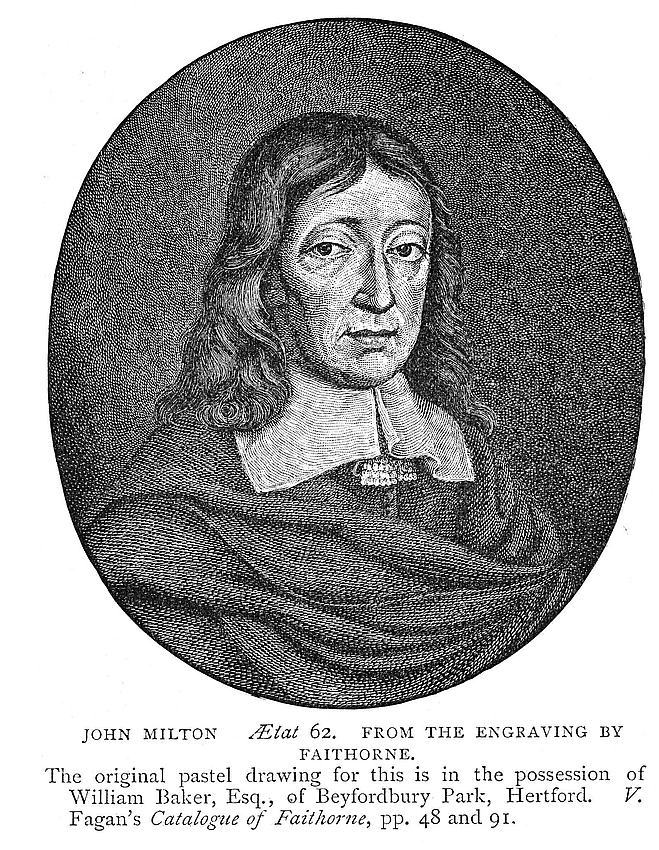
By dramatising Eve’s reasoning, Milton reframes the fall not as blind error but as a tragic misjudgment emerging from faculties that are themselves God-given: intellect and free will.
Eve’s “wrongness,” then, is no longer self-evident. It becomes interpretative.
Knowledge, Desire, and the Ethics of Curiosity
One of Milton’s most radical gestures is to treat the pursuit of knowledge with ambivalence rather than outright condemnation. Eve’s temptation is tied to wisdom, not hedonism. She is drawn by the idea of intellectual enlargement.
Modern readers often find this sympathetic. In a world that prizes inquiry and scepticism, Eve’s hunger for understanding can feel less like sin and more like proto-Enlightenment aspiration.
Yet Milton resists easy vindication. Eve’s desire is entangled with pride and the wish to transcend ordained limits. The tragedy lies not in wanting knowledge per se, but in seeking it through defiance and isolation from both God and Adam.
Milton seems to ask: when does curiosity become hubris?
Gender, Hierarchy, and Uneasy Sympathy
Milton’s portrayal of gender hierarchy complicates matters further. Eve is depicted as intellectually capable yet positioned within a structure that privileges Adam’s authority. Her decision to separate from Adam insisting on autonomy precedes the fall.
Critics have long debated whether Milton reinforces or interrogates patriarchal assumptions. On one hand, Eve’s fall appears linked to independence and susceptibility. On the other, Milton renders Adam’s subsequent choice of eating knowingly out of love equally culpable, if not more so.
Eve is deceived; Adam is not. This symmetry destabilises simplistic blame narratives. Responsibility becomes shared, though differently inflected.
Free Will: The Burden of Choice
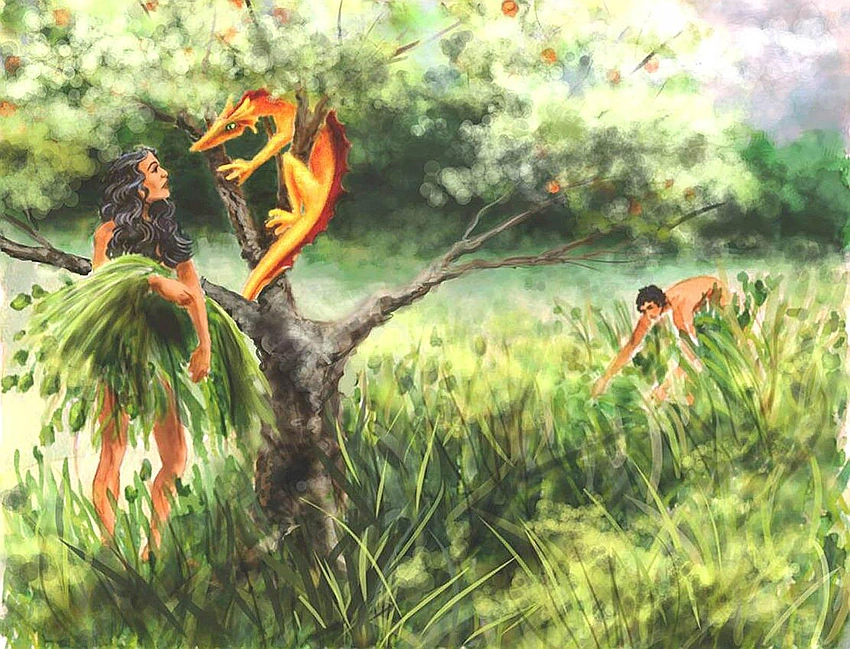
Central to Milton’s theology is free will. Without genuine freedom, obedience would be meaningless. God permits the possibility of disobedience precisely so virtue can exist.
Eve’s choice, therefore, is real. She is neither puppet nor inevitability. The fall becomes tragic rather than mechanical: a catastrophe born of liberty.
From this angle, calling Eve “wrong” is accurate within the poem’s moral universe yet incomplete. Her error is inseparable from the dignity of being free. Milton’s God values freedom enough to risk disaster.
Was Eve Wrong or Tragically Human?
Measured strictly against divine command, Eve is wrong in both Genesis and Paradise Lost. But Milton’s narrative invites readers to experience that wrongness not as moral cartoon but as human drama.
Eve is thoughtful, persuasive, vulnerable, aspirational. Her fall arises from qualities that define humanity itself: longing, imagination, the restless desire to exceed limits.
Milton does not absolve her but he refuses to flatten her.
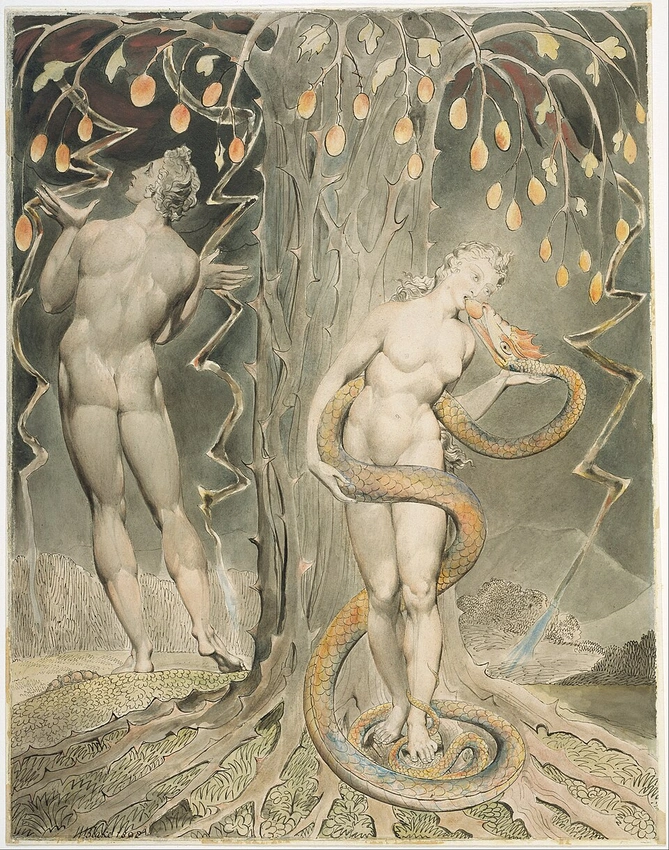
The endurance of Eve’s story lies in its adaptability. In theology, it is about sin. In literature, about tragedy. In modern discourse, about gender, agency, and the ethics of knowledge.
Milton’s version persists because it recognises something unsettling: error is often born not from stupidity or malice, but from misdirected virtues.
Eve’s hand reaches for the fruit, and we recognise the gesture.
If Genesis defines the fall, Milton teaches us how to read it as the anatomy of a choice.
#EveAndTheApple #ParadiseLost #Milton #GenesisStory #LiteraryDiscussion
