Soft Wellness: Why Gen Z is Ditching Rigid Rules for Real Self-Care

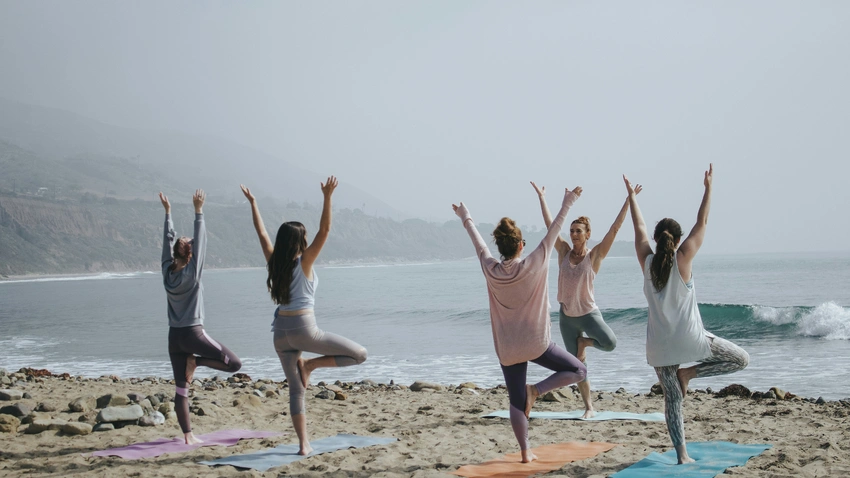
Soft Wellness: Why Gen Z is Ditching Rigid Rules for Real Self-Care
Gen Z is redefining health with "soft wellness," focusing on feeling good over strict diets and intense workouts. Discover why this flexible approach is the future of self-care.
Let's be real, the old-school wellness playbook, think rigid diets, endless calorie counting, and grueling workouts, just isn't cutting it anymore. Especially for Gen Z, who are wisely seeking something more sustainable, more humane, and frankly, more real . This is where “soft wellness” steps in, offering a much-needed breath of fresh air in the often-punitive world of health trends.
Soft wellness isn't about chasing an elusive ideal body or punishing yourself into fitness. It's a health approach that puts feeling good, mentally and physically, at its absolute core. Imagine habits that genuinely support your body and mind without turning health into an everyday battle.
We're talking nutritious food, regular movement, adequate sleep, genuine rest, social connection, and embracing activities that truly bring you pleasure.
The contrast with restrictive wellness couldn't be clearer. Traditional models often measure success by weight, body shape, step counts, or how perfectly one adheres to a diet. But this intensity often backfires, creating guilt around food or missed exercise.
As Anshul Singh, team lead, Clinical Nutrition and Dietetics Department of Artemis Hospital, Gurugram, wisely puts it,
Soft wellness is a more flexible take on healthy living. It helps people choose healthy foods, enjoy foods they like, and adjust their physical activity to their energy, schedule, and comfort.
The emphasis here is on consistency and overall good health, not unbending rules.
Gen Z is hungry for flexibility, approaches that nurture both physical health and mental well-being. This is precisely why concepts like intuitive eating, a cornerstone of soft wellness, resonate so deeply.
Dr. Upasana Palo, Consultant Gynecologic Oncologist and Robotic Surgeon, Narayana RN Tagore Hospital, Mukundapur, Kolkata, notes that intuitive eating encourages us to
recognise our hunger and fullness cues, eat mindfully and avoid labelling foods as strictly “good
or “bad”.” It's about building a healthier relationship with food, not a restrictive one. And no, this doesn't mean nutrition becomes secondary; it simply means a balanced diet enjoyed with awareness.
Some might worry that “soft wellness” is just an excuse to avoid discipline. Absolutely not. It's about practicing nutrition, physical activity, and healthy routines without the extreme rules or undue punishment.
Anshul adds another gem: “Rest is not laziness, and the ability to enjoy food is not failure.” Exercise can be anything from walking and stretching to dancing or swimming, whatever feels comfortable and sustainable. It's about cultivating habits that will last for years, not just grinding through a routine for a few weeks.
Aarti Nath, Senior Dietitian, Paras Health Udaipur, highlights the personalization aspect, suggesting it means “practising a diverse diet, doing what you enjoy and more.” Ultimately, soft wellness empowers individuals, especially Gen Z, to look at their unique circumstances and craft choices that truly meet their needs. This isn’t a fleeting trend; it’s a foundational shift towards a healthier, happier, and more sustainable way of living.
