Rafah Crossing Reopens for Gazans Seeking Medical Care

Rafah Crossing Reopens for Gazans Seeking Medical Care
Rafah crossing reopens with tight security for Gaza residents traveling abroad for urgent medical care as around 20,000 patients await aid; a pilot test frames the limited resumption.
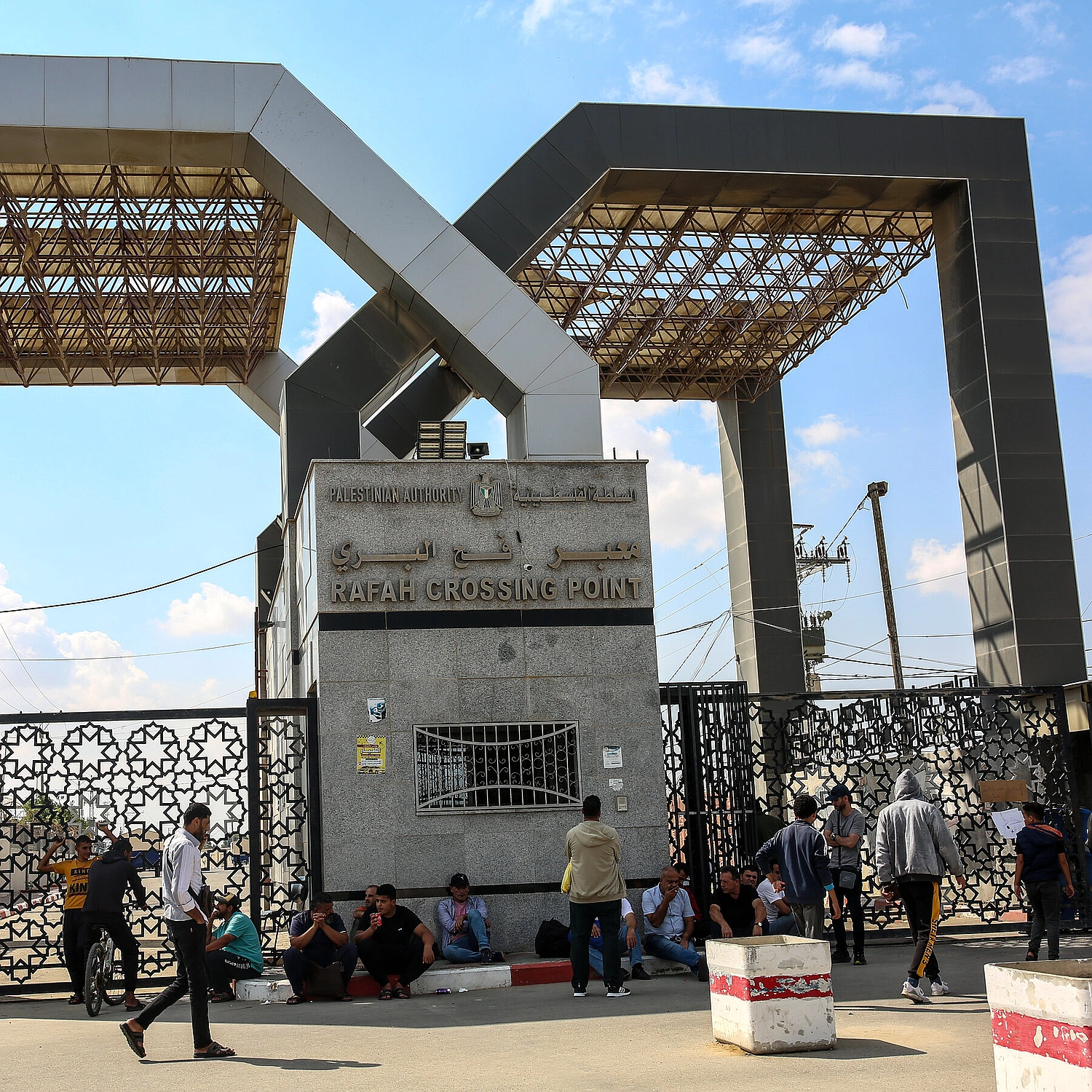
The Rafah crossing at Gaza's southern border reopened on Monday, offering a narrowly defined corridor for Palestinians to leave the territory for urgently needed medical care abroad. The crossing had been largely shut for almost two years, in part due to war damage and security concerns, and its return marks a cautious step toward easing restrictions amid ongoing fragility.
Israel's military coordination body for aid to Gaza, known as Cogat, said the crossing would operate in both directions for Gaza residents on foot, but under tight security checks. Egypt and the EU were coordinating the logistics as authorities tested a pilot program to gauge flows and safety. Officials described the opening as a limited window designed primarily for patients and those accompanying them.
Palestinian officials estimate about 20,000 patients are waiting to travel for medical reasons, many seeking treatment not available inside Gaza. The first phase will see limited numbers in both directions, with estimates of 150-200 people crossing in total at any time as pilots and staff monitor the process. The balance of travelers — including some who fled fighting earlier in the war — will have to wait for further permission.
Before the current conflict, Rafah was the main exit and entry point for many Gazans; its closure had compounded humanitarian hardship. The reopening is described by officials as tentative but essential relief, aiming to enable medical evacuations and family reunifications while security measures remain stringent. The broader cease-fire dynamics will determine how quickly, and how widely, the border can be expanded.
