SC Recalls Ruling on Retrospective Environmental Clearances

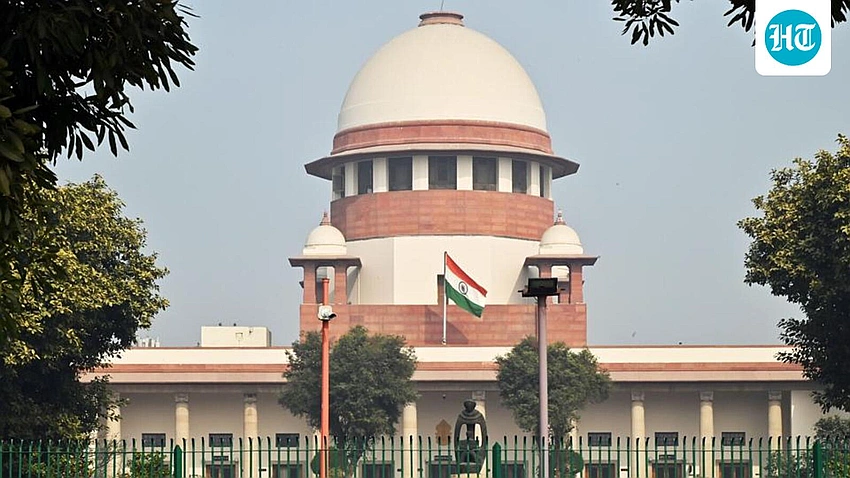
SC Recalls Ruling on Retrospective Environmental Clearances
The Supreme Court, in a 2-1 decision, recalls its May ruling on ex-post-facto environmental clearances, citing prior precedents and signaling a rethink that could revive limited post-facto approvals.
In a landmark turn, the Supreme Court on Tuesday, by a 2-1 majority, recalled its May 16 judgment that barred ex-post-facto environment clearances (ECs) for development projects, saying the earlier decision failed to fully consider binding precedents. The ruling could reopen space for limited retrospective approvals under strict conditions.
Chief Justice of India B.R. Gavai and Justice K. Vinod Chandran authored the majority opinion, noting that earlier rulings had recognised balanced approaches and that certain paragraphs in older judgments were not adequately considered by the May bench. They pointed to cases such as D Swami (2022) and Pahwa Plastic (2022) and said those judgments, along with others, must inform the current matter. The decision to recall was framed as necessary to preserve judicial discipline and align with established precedents.
Justice Ujjal Bhuyan, in a separate dissent, argued that the May ruling represented a retreat from sound environmental jurisprudence and warned that backtracking could undermine environmental safeguards, especially in the context of Delhi’s pollution and other public health concerns. His views highlighted a tension between policy flexibility and the core aim of robust environmental protection.
The practical fallout of the May verdict was cited by the bench, with cautions that demolitions could follow if projects relied on ex-post-facto ECs. The court noted that government properties worth around ₹20,000 crore could be affected, underscoring why a broader re-evaluation of retrospective clearances is fraught with public interest implications. The review petitions—brought by CREDAI and others—have revived the 2017 notification and the 2021 Office Memorandum, which permit post-facto EC in limited circumstances with penalties. The matter will now be listed before an appropriate bench for fresh consideration, in line with administrative orders of the Chief Justice.
While this recall could reshape how retrospective approvals are handled, the court stressed that the decision does not discard the possibility of post-facto EC in carefully calibrated scenarios, and the debate over balancing development with environmental safeguards is far from settled. Going forward, the judiciary and policymakers may seek clearer guidelines to prevent chaotic demolitions while ensuring accountability for environmental compliance.
Cover image source: Supreme Court recalls ruling on post-facto environment clearances 🔗
