US Census Overhaul: Immigrants & Data Under Threat – Huge Impact Looms!

US Census Overhaul: Immigrants & Data Under Threat – Huge Impact Looms!
The Trump administration proposes dramatic changes to the U.S. Census, potentially excluding millions of immigrants and key demographic data. Learn how this could reshape state funding and political power across the nati
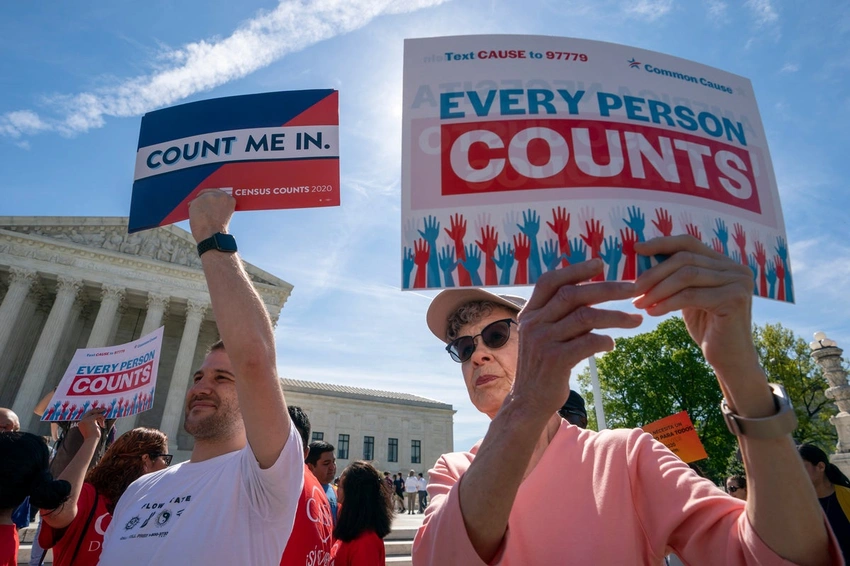
The Trump administration has unveiled a dramatic proposal to overhaul the upcoming U.S. Census head count, a move that could significantly alter the nation's political landscape and the allocation of vital resources. These potential changes, announced recently, aim to exclude millions of immigrants based on their status and eliminate key racial and ethnic data from the traditional questionnaire.
Under the new proposals, individuals who are not U.S. citizens and do not hold permanent residency, including undocumented immigrants and asylum seekers, would be excluded from the official count. This echoes a previous controversial idea by the former administration to add a citizenship question to the 2030 census.
Furthermore, the plan considers nixing questions related to identifying as part of the LGBTQ+ community and removing broader demographic inquiries about race, stating the census
should be colorblind and should not be distorted in any way by questions about immaterial personal characteristics, such as race.
The U.S. Census Bureau, in a post on the Federal Register website, argued that "illegal aliens (among others) should not be included in the apportionment count, as they are not true inhabitants, members of the body politic, or persons with a 'usual residence' in the United States due to their lack of a sufficient tie and allegiance to the United States."
However, these proposed revisions have drawn sharp criticism. Beth Jarosz, a data researcher and vice president of the Association of Public Data Users, described the proposals as "unprecedented." She warned that failing to count all residents would severely harm the quality and integrity of the data. “Not counting all of the people who reside here is actually where the real threat is,” Jarosz stated, highlighting the extensive use of census data.
The implications of such an overhaul are sweeping. Census figures are traditionally crucial for the "apportionment count," which determines how many seats each state holds in the U.S.
House of Representatives and, consequently, their number of votes in the Electoral College.
An undercount or misplacement of populations could lead to a significant dilution of political power and representation for affected states and communities.
Beyond political representation, census data is fundamental for distributing hundreds of billions of dollars in federal funding for schools, hospitals, roads, and other essential public services across states. Historically, immigrants of every status have been included in the census, ensuring a comprehensive count of all people residing in the country to inform these critical decisions.
These proposed changes could have a profound and unequal effect on states' funding and overall infrastructure.

Login to comment.
No thots yet. Be the first to share your thoughts!