Laptop Explodes Mid-Flight! Passengers Burned on American Airlines Plane
Laptop Explodes Mid-Flight! Passengers Burned on American Airlines Plane
Chaos aboard an American Airlines flight as a laptop battery ignites, injuring multiple passengers. Discover how the crew responded and the dangers of lithium-ion batteries. Read more!
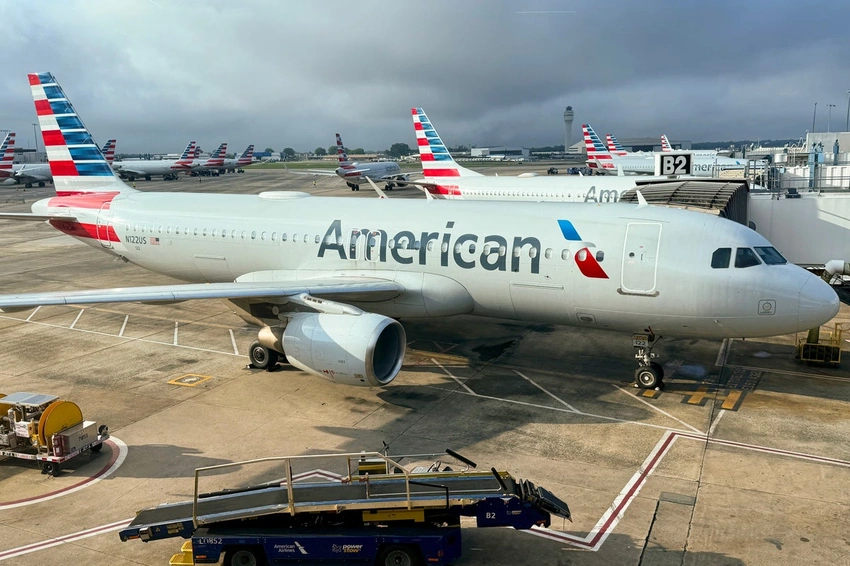
Panic erupted on American Airlines Flight 2398 this past Friday when a laptop battery suddenly burst into flames mid-flight. The Airbus A321, carrying approximately 133 people from Hartsfield-Jackson Atlanta International Airport to Dallas, experienced the dramatic incident shortly before landing. As smoke filled a section of the cabin, flight attendants acted swiftly, utilizing a special thermal containment bag to douse the fire.
The quick action by the crew was crucial in preventing a larger emergency. Upon a safe landing at Dallas-Fort Worth International Airport around 6:55 p.m. local time, emergency medical teams were on standby.
While American Airlines confirmed the safe landing and crew's professionalism, reports indicate more serious consequences.
The pilot, in air traffic control audio, stated that "about four to five passengers that were burned by the laptop," primarily on their hands. One passenger was treated and released at the airport. This incident highlights the inherent dangers associated with lithium-ion batteries.
Lithium batteries, commonly found in devices like laptops, cell phones, and portable chargers, are known for their potential to overheat.
The Federal Aviation Administration (FAA) warns that these batteries can undergo "thermal runaway" without warning, especially if damaged or exposed to extreme conditions.
The FAA has recorded 58 incidents involving lithium batteries causing smoke or fire on passenger planes in 2026 alone, underscoring a growing concern for air travel safety. This event serves as a stark reminder for passengers to handle their electronic devices with care while flying, and for airlines to continue implementing robust safety protocols for potential battery-related emergencies.
