US Fourth of July Scorched by Extreme Heat, Events Canceled

US Fourth of July Scorched by Extreme Heat, Events Canceled
A dangerous heatwave grips the US, forcing Fourth of July event cancellations from coast to coast. Stay safe as temperatures soar past 100°F!
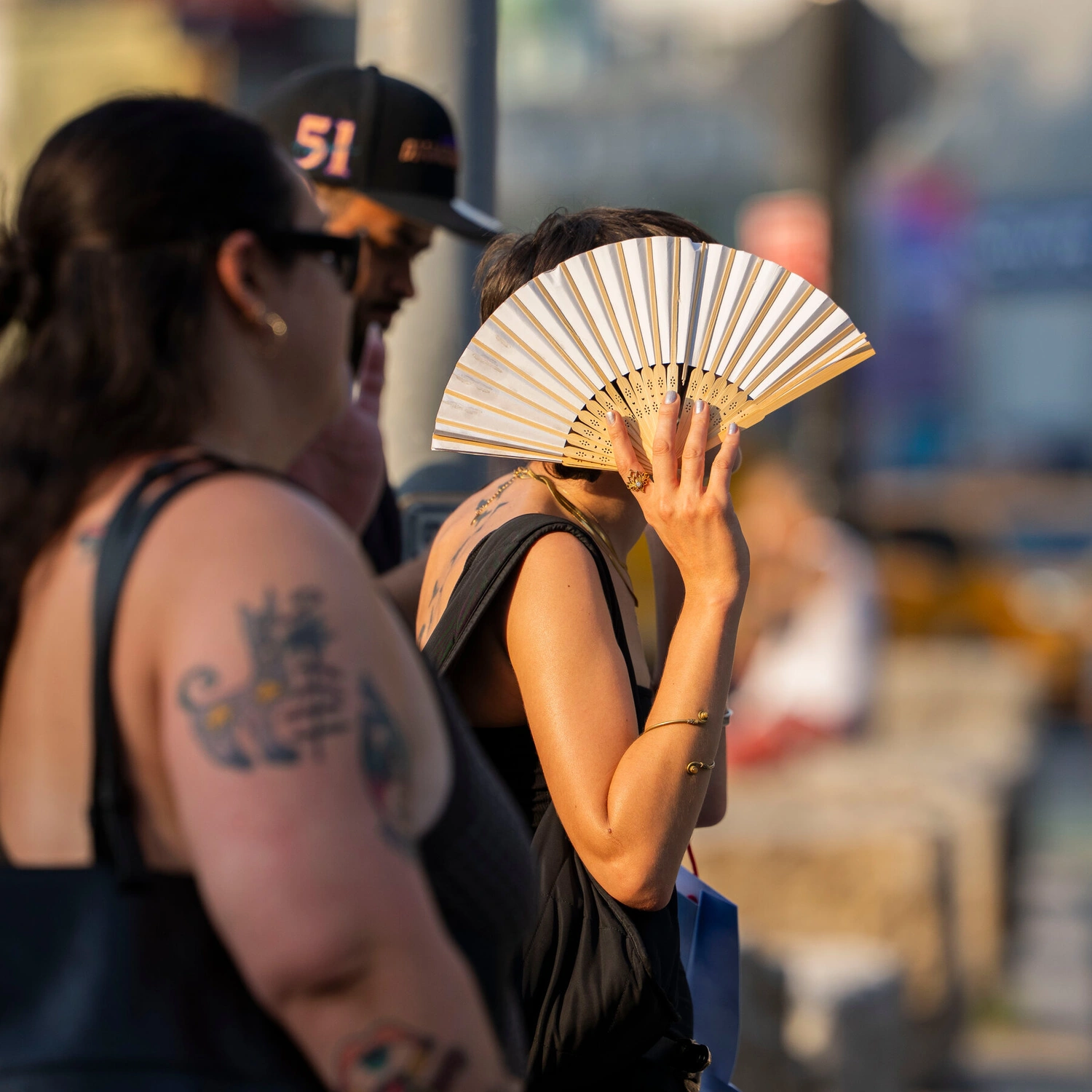
A dangerous heatwave is scorching much of the United States, casting a shadow over Fourth of July celebrations and forcing widespread cancellations of traditional holiday events. Millions are enduring blistering temperatures, with many areas expected to see highs around 38°C (100°F) for several days, extending well into the holiday weekend.
While some relief might be on the horizon for the Great Lakes and the far Northeast, the Mid-Atlantic and Southeast regions are bracing for continued intense heat. The soaring temperatures and high humidity have prompted health warnings and advisories across the nation, urging residents to take precautions against heat-related illnesses.
The Fourth of July holiday is typically a time for outdoor activities like barbecues, community parades, and vibrant fireworks displays. However, this year, numerous events commemorating the nation's 250th birthday have been called off due to the dangerous conditions. Cancellations span from the eastern states of New Jersey, Pennsylvania, and Maryland, stretching as far west as Colorado.
One of the most significant cancellations is Philadelphia's "Salute to Independence Semiquincentennial Parade." Originally anticipated to be one of the largest Fourth of July events nationwide, organizers made the difficult decision to cancel. Michael DelBene, CEO of Wawa Welcome America, the parade organizer, stated, "As much as this decision pains everyone inside our organization, we simply cannot host an event of this size and scale under these dangerous heat conditions." The decision underscores the serious public safety concerns posed by the extreme weather.
Authorities are advising people to limit time outdoors, stay hydrated, seek air-conditioned environments, and check on vulnerable neighbors. With temperatures showing no immediate signs of significant decline in affected areas, communities are adapting their holiday plans to prioritize safety over tradition.
