Strait of Hormuz Tension Escalates as U.S. Sinks Boats, Oil Prices Soar

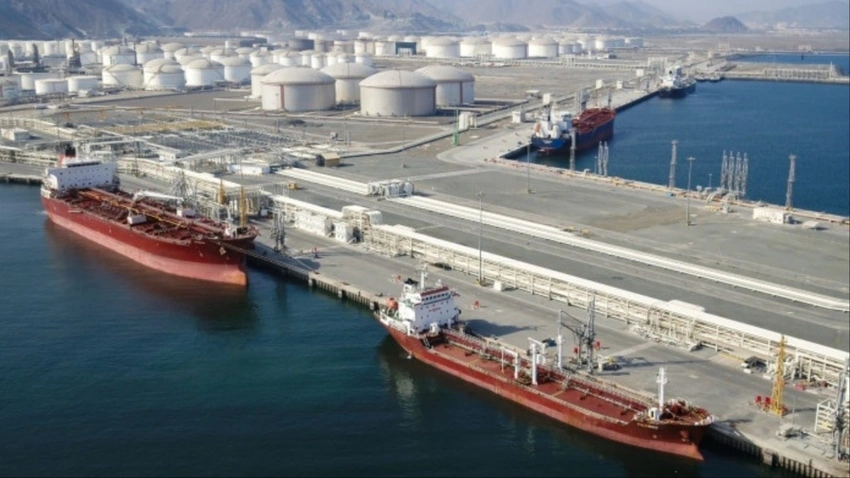
Strait of Hormuz Tension Escalates as U.S. Sinks Boats, Oil Prices Soar
Tensions flare in the Strait of Hormuz after Iran missiles and drones target vessels and the U.S. sinks seven small boats, while Trump vows to free trapped ships and markets brace for supply shocks.
Tensions intensified in the Strait of Hormuz as Iran fired missiles and drones at vessels, and U.S. forces responded by sinking seven small boats in the waterway. The incident underscores how fragile a chokepoint that handles a large share of the world's oil flows has become, with shipping lanes already frayed by months of disruption.
President Trump has signaled a hard line, saying the United States will 'free' ships trapped in the Persian Gulf should Iran seek to close the strait. For months, vessels have faced obstruction through Hormuz, leaving global supply chains strained and sending investors scrambling for price signals.
The political flare comes as oil markets wobble. Since the ongoing Iran war began on February 28, flows through Hormuz have been choked, helping push markets higher. Oil prices hovered near or above $100 per barrel as traders weighed the risk of further disruptions.
In a separate move, OPEC+ announced a modest output increase of 188,000 barrels per day following the UAE’s exit from the coalition, a step aimed at testing market stability amid the war. Analysts say the plan could help temper prices if supply remains tight, but the Hormuz chokepoint could cap any relief.
In another development, prices slipped after the White House signaled efforts to free ships, yet the absence of a peace deal between Washington and Tehran keeps sentiment fragile. Negotiations remain stalled as both sides maintain firm demands, leaving the market to balance risk and relief.
The bottom line: with Hormuz still a critical route for global oil and gas shipments, the market remains on edge. A new flashpoint or de-escalation could rapidly swing prices.
