Kavya Kotha & Gen Z: Unpacking the Age of Anguish in Poetry

Kavya Kotha & Gen Z: Unpacking the Age of Anguish in Poetry
Dive deep into how modern literature, exemplified by Kavya Kotha's 'Echoes,' captures the raw anxieties and existential struggles of Gen Z in a rapidly changing world.
Gen Z’s Unfiltered Voice: Echoes from a Turbulent World
There's a seismic shift happening in literature, and it's being spearheaded by a generation that's seen it all, or at least, felt the weight of it. Gen Z is finding its voice, and it's powerful, raw, and unapologetically angst-ridden. Forget the rose-tinted glasses; modern literature is now a direct reflection of a world grappling with war, a deteriorating environment, and uncertain futures.
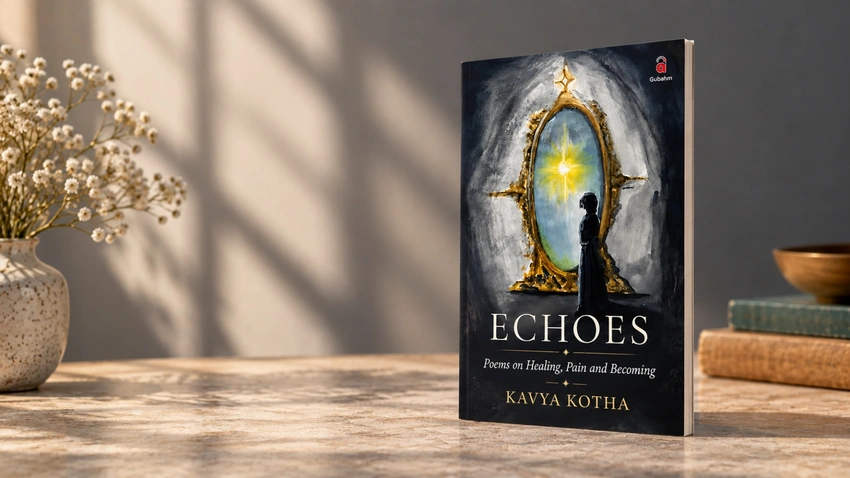
Kavya Kotha's collection, 'Echoes,' stands out as a compelling example of this new wave. Her words don't shy away from the dark realities, painting vivid pictures of a youth deeply affected by global strife. She writes of
children bleeding in the snow, buildings burning down, upset parents, blue lips and corpses, goodbyes and tears.
It's a stark tableau that perfectly encapsulates the anxieties plaguing young minds today.
Kotha captures this duality with chilling precision: “First praying for violence, Then praying for peace.” This line alone speaks volumes about the internal conflict and emotional rollercoaster many young people navigate. It’s a testament to the complex blend of fear and hope that defines their outlook.
Her writing is a fascinating cross between “sad girl poetry,” a genre thriving on platforms like Instagram and TikTok, and deeply confessional writing. This fusion allows Kotha to articulate the existential anxieties shadowing Generations Z and Alpha using imagery and metaphor that feel entirely contemporary, fitting for a generation immersed in social media from birth.
Her lines, “My mind is a silent graveyard, Of people who never died My heart's a raging war field. But there's nobody to fight,” powerfully convey a sense of internal struggle and isolation, even amidst a hyper-connected world.
What's particularly striking about 'Echoes' is its refreshing honesty in an age where AI plagiarism is a growing concern. Both Kotha's writing and art offer an authentic voice that resonates deeply, reminding many of the tangled thoughts and raw emotions of a teenager on the cusp of adulthood. It's a true, unfiltered stream of consciousness that feels genuinely human.
Tradition often sweetens the narrative of a young woman turning sixteen, but Kotha challenges this. She offers an honest appraisal of what it truly feels like to be an almost-adult woman: navigating the fine line of being “one step away from being a fallen angel, while expected to emulate goddesses.” This rejection of idealized femininity for a more complex reality is a hallmark of Gen Z’s perspective.
What’s Next for This Generation’s Storytellers?
Kotha's 'Echoes' is more than just a poetry collection; it's a vital contribution to understanding the modern psyche of Gen Z.
It showcases a generation that processes global issues and personal anxieties with profound introspection and creative expression.
As these young voices continue to emerge, they promise to reshape literature, offering narratives that are both deeply personal and universally resonant, forcing us to confront the uncomfortable truths of our collective present and uncertain future.
Their art isn't just a reflection; it's a call to understand, empathize, and perhaps, finally act.
