US restricts intelligence sharing with South Korea after minister’s NK site claim

US restricts intelligence sharing with South Korea after minister’s NK site claim
Washington limits satellite intelligence sharing with Seoul following Unification Minister's public claim about a suspected North Korean facility.
Washington has partially restricted sharing of satellite-derived intelligence with South Korea after Seoul's Unification Minister publicly identified a suspected North Korean uranium enrichment facility in Kusong. The site, not previously officially confirmed, sits in Kusong in the northwestern region and adds to the known facilities at Yongbyon and Kangson. A senior military official told the press that the restrictions on satellite intelligence sharing were put in place earlier this month, while surveillance of missile activity and overall military readiness remain unaffected. The move highlights ongoing tensions over how much public detail about North Korea’s program should be disclosed, even as allies continue to coordinate broader defense and nonproliferation efforts.
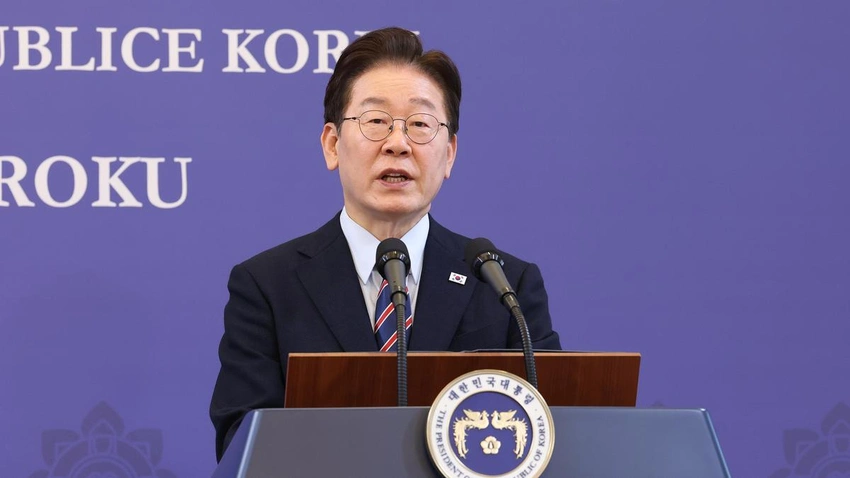
Chung Dong-young defended his remarks as being based on publicly available information and said it was deeply regrettable that his comments were characterized as an information leak. He cited a 2016 think-tank report and continued media coverage as supporting material and noted that he mentioned Kusong during his confirmation hearing last year without incident. President Lee Jae Myung supported his stance, stressing that Kusong’s existence had already been widely reported in academic papers and media before Chung’s remarks. The administration has pursued a conciliatory approach toward Pyongyang and emphasized transparency about information that is already public, even as officials acknowledge differences over the disclosure.
Officials in Seoul and Washington reportedly disagreed on the handling of the disclosure, with U.S. officials voicing concern about sensitive data being disclosed without authorization. Despite the tensions, officials maintain that broader intelligence cooperation and regional readiness remain in place, underscoring that the alliance continues to project stability while denuclearization efforts proceed.
