Arunachal Woman Detained at Shanghai Airport: 18-Hour Ordeal

Arunachal Woman Detained at Shanghai Airport: 18-Hour Ordeal
An Arunachal Pradesh-born traveler faced 18 hours of detention in Shanghai after officials deemed her Indian passport invalid for birthplace, sparking a diplomatic response.
A three-hour layover in Shanghai turned into an 18-hour detention for Pem Wang Thongdok, a woman of Indian origin who lives in Britain and hails from Arunachal Pradesh. Chinese immigration officials reportedly refused to accept her Indian passport because it listed Arunachal Pradesh as her place of birth, declaring the document invalid and detaining her for hours. Thongdok said she was singled out, subjected to loud questioning, and told that Arunachal Pradesh was not part of India. She posted about the ordeal on social media, recounting that she was held at the airport well past the layover time and was not allowed to board her onward flight to Japan despite holding a valid Japanese visa. The incident prompted swift diplomatic engagement, with India lodging a formal demarche and its consulate in Shanghai providing assistance to the stranded traveler. A spokesperson highlighted that Arunachal Pradesh is Indian territory and that residents are entitled to travel with Indian passports, while noting the actions contradicted basic travel and civil aviation norms.
The episode quickly drew attention from multiple Indian media outlets and prompted discussions about the treatment of travelers with ties to disputed regions. Thongdok, who has lived in the United Kingdom for years, asserted that her birthplace being listed as Arunachal Pradesh—an area China claims—was the trigger for the harrowing delay. The passenger’s experience underscores ongoing frictions in India-China relations, especially over border-sensitive areas like Arunachal Pradesh. India publicly rejected China’s territorial claims and stressed that such assertions undermine international aviation norms and civil travel rights.
In New Delhi and Beijing, officials indicated that the incident was being taken seriously. The Indian MEA said that the departure delays and the alleged ridicule faced by the traveler were unacceptable and emphasized that Arunachal Pradesh is integral to India. The MEA also noted that civil aviation conventions should guide treatment of travelers during transit, reiterating that such actions are inconsistent with established norms. While the Chinese authorities have not publicly elaborated on the case, observers see this incident as a reminder of how geopolitical rhetoric can spill into everyday travel experiences, affecting international travelers who rely on open transit corridors. The week’s events illustrate how delicate diplomatic nuances can intersect with personal journeys, and they have left Thongdok planning to pursue further clarification and potential avenues for resolution through the proper diplomatic channels.
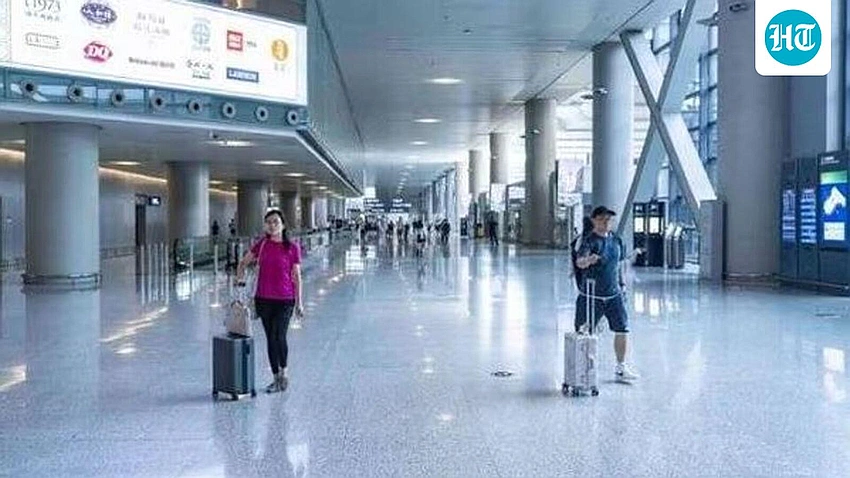
Cover image source: Woman from Arunachal claims harassment by Chinese authorities in Shanghai 🔗
