The Invisible Architecture of Acne: How Skin Structure Shapes Breakouts

The Invisible Architecture of Acne: How Skin Structure Shapes Breakouts

Looking Beyond the Surface of Acne
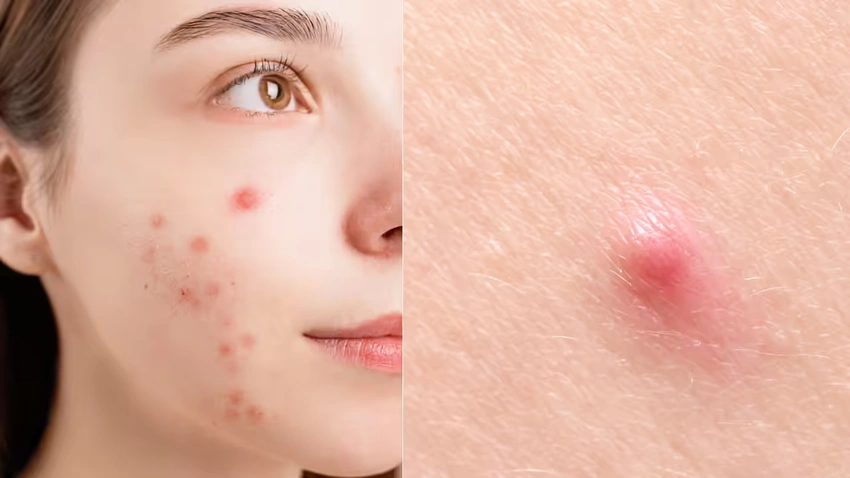
Acne is often treated as a surface-level issue, something visible and immediate that needs quick correction. But beneath every breakout lies an intricate structure of pores, oil glands, and cellular pathways that determine how and why acne forms. This hidden framework, often ignored, plays a crucial role in the frequency, severity, and healing of breakouts.
When you use a niacinamide serum for oily skin 🔗, you are not just reducing shine. You are influencing this invisible architecture by regulating sebum flow and strengthening the skin’s structural integrity. This shift in perspective opens up a more intelligent way to approach acne care.
Understanding Skin as a Structural Network
Your skin is not a flat surface. It is a layered system composed of interconnected components that work together like a living network.
Pores as Dynamic Channels
Pores are not static holes. They expand, contract, and respond to internal and external triggers. When these channels become blocked, the entire system gets disrupted.
Sebaceous Glands as Regulators
These glands produce oil that protects the skin. However, when overactive, they flood the pore network, leading to congestion.
Cell Turnover Pathways
Dead skin cells should naturally shed. When this process slows down, buildup occurs, creating the perfect environment for acne.
Understanding these elements helps explain why some people experience persistent breakouts despite using multiple products.
Why Acne Appears in Patterns
Have you ever noticed that your acne tends to appear in the same areas repeatedly? This is not random. It is a reflection of your skin’s internal architecture.
Certain zones have:
- Higher oil gland density
- Slower cell turnover rates
- Increased sensitivity to hormonal changes
These areas become hotspots for recurring acne. Treating them requires more than surface-level solutions. It requires consistent structural support.
The Role of Targeted Treatments in Structural Balance
Acne care becomes more effective when products are chosen based on how they interact with the skin’s architecture.
Cleansers as Pathway Clearers
A well-formulated cleanser helps keep pore channels open, preventing buildup at the root level.
Serums as Structural Modifiers
Serums penetrate deeper layers, influencing oil production, inflammation, and repair mechanisms.
Spot Treatments as Localized Fixes
These are designed to address specific disruptions without affecting the entire system.
Moisturizers as Reinforcement Layers
Hydration strengthens the outer barrier, ensuring that internal structures remain protected.
Protective Solutions as External Shields
Sun protection and barrier creams prevent external damage that can weaken the skin’s framework.
The Science Behind Structural Acne Formation
Research shows that acne is closely linked to structural irregularities within the skin. Factors like follicular hyperkeratinization and excess sebum production contribute to blockage and inflammation.
According to a study published by the National Institutes of Health, acne affects approximately 9.4% of the global population, making it one of the most common skin conditions worldwide. The study emphasizes that structural and biological factors play a major role in its persistence.
This highlights the need for a deeper approach that goes beyond temporary fixes.
Balancing Oil Without Disrupting Structure
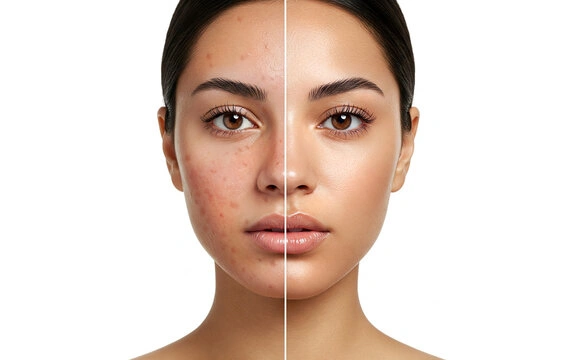
One of the biggest mistakes in acne care is aggressively removing oil. While it may seem effective initially, it can disrupt the skin’s balance.
When oil is stripped excessively:
- Sebaceous glands produce even more oil
- The barrier becomes weak
- Sensitivity increases
Instead, the goal should be regulation, not elimination. This ensures the skin remains stable and less prone to breakouts.
How Modern Skincare Supports Skin Architecture
Today’s skincare innovations are designed to work with the skin rather than against it.
Multi-Functional Formulations
Products now combine cleansing, treatment, and hydration to reduce the need for excessive layering.
Barrier-Focused Solutions
Modern moisturizers focus on repairing and maintaining the skin barrier, which is essential for long-term acne control.
Precision-Based Treatments
Instead of blanket application, targeted solutions allow for more controlled and effective results.
The Connection Between Acne and Skin Memory
Your skin has a form of memory. Areas that frequently experience acne become more prone to future breakouts.
This happens because:
- Pore walls weaken over time
- Inflammation leaves behind structural changes
- Oil production patterns become ingrained
Breaking this cycle requires consistency and patience. Quick fixes may reduce visible acne, but they rarely reset this memory.
Why Gentle Consistency Beats Aggressive Treatment
It is tempting to use strong treatments to eliminate acne quickly. However, aggressive methods often damage the skin’s architecture.
Gentle, consistent care:
- Maintains structural integrity
- Reduces long-term damage
- Supports natural healing processes
This approach may take longer to show results, but it leads to more sustainable outcomes.
Integrating Different Product Types for Complete Care
A well-rounded acne routine includes multiple product categories, each serving a unique role.
- Cleansers to maintain clear pathways
- Serums to regulate internal processes
- Spot treatments for targeted action
- Moisturizers for barrier support
- Protective layers for external defense
When used together thoughtfully, these products create a balanced system that supports the skin’s architecture.
The Future of Acne Care Lies in Structural Awareness
As skincare evolves, the focus is shifting toward understanding the skin as a system rather than a surface.
Future innovations will likely emphasize:
- Personalized routines based on skin structure
- Adaptive formulations that respond to changes
- Long-term solutions instead of temporary fixes
This shift marks a new era in acne care, where knowledge becomes as important as the products themselves.
Conclusion
Acne is not just a visible issue. It is a structural one. By understanding the hidden architecture of your skin, you can approach acne in a more informed and effective way.
Instead of focusing only on what you see, consider what is happening beneath the surface. Support your skin’s pathways, regulate oil production, and strengthen its barrier.
Even simple tools like pimple patches 🔗 🔗can play a role in protecting specific areas while the underlying structure heals, making them a valuable addition to a balanced routine.
Call to Action
Take control of your skincare by understanding what your skin truly needs. Explore smarter, structure-focused solutions at World of California 🔗 and elevate your acne care routine today.
FAQs
1. What does skin architecture mean in acne care?
It refers to the internal structure of pores, oil glands, and skin layers that influence how acne forms and heals.
2. Why does acne keep coming back in the same spots?
Certain areas have structural characteristics that make them more prone to recurring breakouts.
3. Can I repair my skin’s structure?
While you cannot change it completely, consistent care can strengthen and stabilize it over time.
4. Are multiple products necessary for acne care?
Using a combination of cleansers, treatments, and moisturizers can provide more comprehensive support.
5. Do gentle products really work for acne?
Yes, gentle and consistent care helps maintain balance and prevents long-term damage.

Login to comment.
No thots yet. Be the first to share your thoughts!