Assam CM drags SC into anti-Miya rhetoric, says Gogoi

Assam CM drags SC into anti-Miya rhetoric, says Gogoi
Gaurav Gogoi accuses Himanta Biswa Sarma of twisting Supreme Court observations to target Miya voters; Sarma defends stance amid ongoing poll-row.
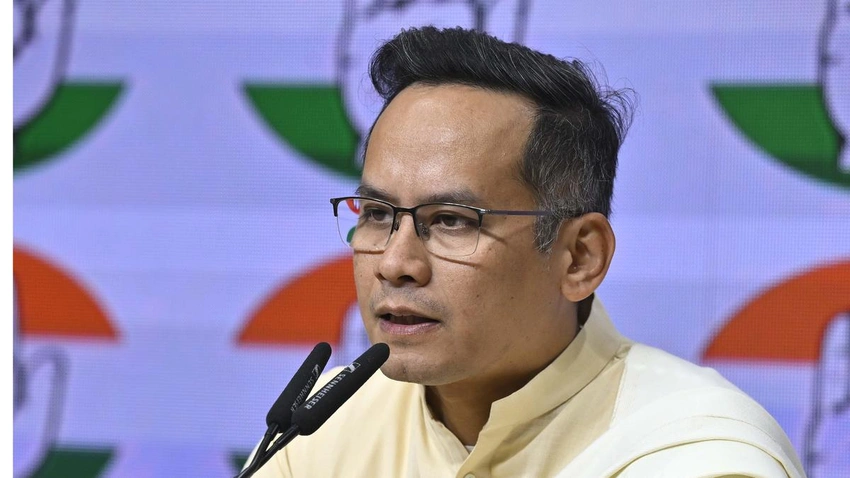
GUWAHATI: Jorhat MP and Assam Congress president Gaurav Gogoi on Saturday (January 31, 2026) said that Chief Minister Himanta Biswa Sarma had dragged the Supreme Court into his anti-Miya narrative and went quiet after being reminded of contempt of court. Gogoi argued that the use of the court’s name to bolster a political stance is a serious overreach, especially when the language mirrors a broader partisan message rather than legal argument. The Miya label, a term widely used in Assam to describe Bengali-speaking Muslims or people seen as illegal entrants from Bangladesh, has become a flashpoint in state politics as elections approach.
Gogoi contended that Sarma’s statements about the Miya communities, including claims that they should not have voting rights in Assam, were framed as if they reflected Supreme Court observations. He noted that the Chief Minister cited the apex court’s warnings about a “silent and demographic invasion” of Assam, a framing Gogoi said distorted the court’s actual remarks. In Gogoi’s view, attributing such observations to the Supreme Court is a clear case of contempt and a dishonest attempt to manipulate public opinion. He added that misrepresenting court observations amounts to twisting legal language to serve a political narrative.
The Congress leader linked the controversy to historical legal debates surrounding the Illegal Migrants (Determination by Tribunal) Act and its subsequent scrapping, pointing out that the court’s observations were linked to past cases involving former Chief Minister Sarbananda Sonowal. He argued that today’s rhetoric risks normalizing the misuse of judicial language for electoral mobilization. The row is further heated by BJP rhetoric that the Special Revision process could affect millions of residents labeled as Miya, a claim that has drawn sharp criticism from opposition parties.
The ongoing exchange highlights the fraught intersection of migration, identity politics, and the judiciary in Assam, signaling intensified political contest ahead of elections and prompting calls for clarity on what courts have actually said versus political interpretation.
