Stop Blaming Female Stars for the Creepy Way People View Their Clothes
Stop Blaming Female Stars for the Creepy Way People View Their Clothes
Why is a babydoll dress more controversial than a bikini? It is time to stop making women responsible for the male gaze and let artists own their fashion.
The Wardrobe Trap: Why Stage Fashion Is Never Just About Clothes
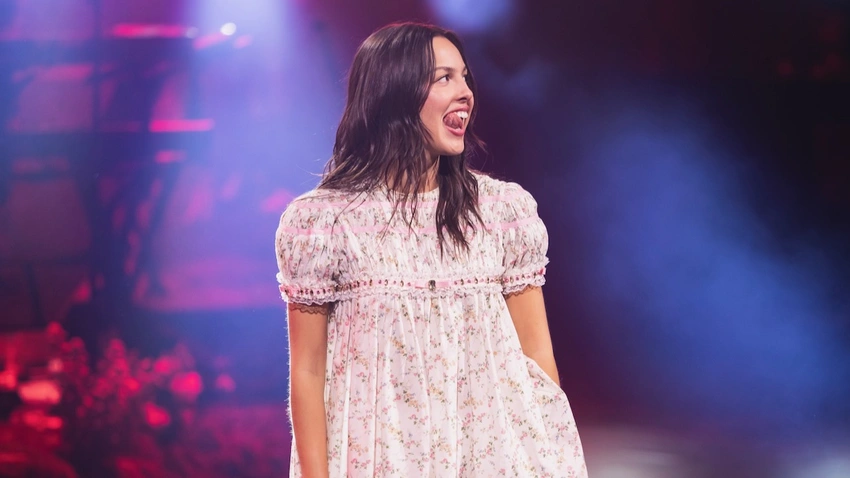
For decades, the stage has been a place of self-expression and creative freedom. Yet, for female performers, every outfit choice is treated like a public referendum on their morality. Recently, the conversation around what constitutes an appropriate outfit has taken a sharp, confusing turn. We have reached a point where a performer can wear a revealing bodysuit without a second thought, but the moment she steps out in a babydoll dress, the internet erupts in a debate about sexualization.
This double standard is not just annoying. It is actually dangerous.
The Burden of the Gaze
The core of the issue lies in the idea that women are responsible for how they are perceived by the public. When a woman chooses an outfit because it makes her feel cool, comfortable, or connected to her musical heroes like Courtney Love, she is dressing for herself. However, the cultural rhetoric we are fed from a young age suggests the opposite. We are told to watch what we wear because a man might sexualize us, and if he does, it is somehow our fault for providing the visual.
This logic shifts the blame from the observer to the subject. If a man chooses to sexualize a woman in a way that was never her intention, that is a reflection of his mindset, not her wardrobe.
The Inappropriate Paradox
It is fascinating and deeply disturbing to see which outfits get labeled as inappropriate. A sparkly bra and tiny shorts are often viewed as standard pop star attire. They are accepted as part of the job. But when that same artist wears something that covers more skin but leans into a specific aesthetic like a babydoll dress, the accusations of being provocative in a childlike way start flying.
By policing these outfits, the critics are actually the ones doing the sexualizing. They are taking a garment intended to be a tribute to 90s grunge and projecting their own uncomfortable interpretations onto it. This shift in focus shows how deeply our culture has normalized certain predatory ways of thinking.
Losing the Plot
If we force artists to dress based on the fear of how a stranger might interpret their look, we have lost the plot entirely. Fashion is a tool for empowerment. It is about feeling like a rockstar, not about managing the behavior of people on the internet.
We need to protect younger generations of women from the lie that they are the ones who need to change. The responsibility for sexualization lies with the person doing the sexualizing, not the girl on stage in a dress she thinks is cool. It is time to let artists be artists and stop demanding they apologize for existing in their own skin.
