House Votes to Block Trump’s Canada Tariffs With GOP Backing

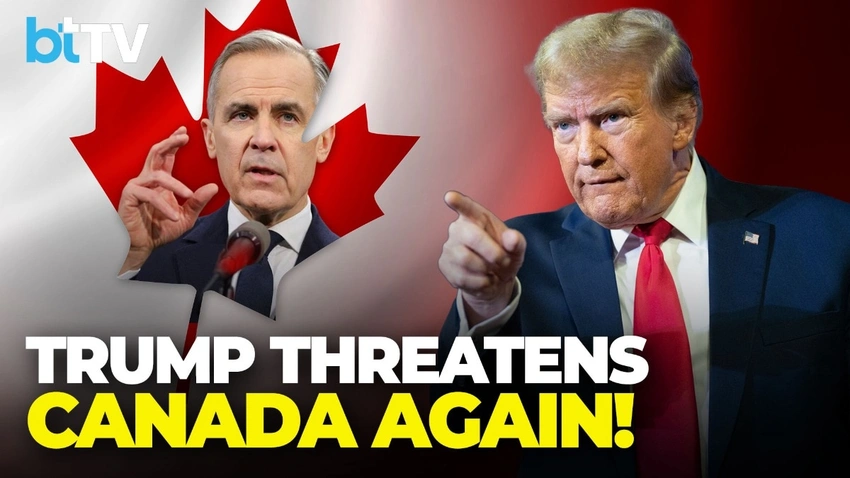
House Votes to Block Trump’s Canada Tariffs With GOP Backing
Lawmakers push to curb Trump’s tariffs on Canada, a move backed by six Republicans but unlikely to survive a veto, as cross-border tensions play out over a major bridge project.
Washington — Lawmakers on Capitol Hill weighed a blunt question: should Congress block President Trump's Canada tariffs. The measure, backed by six Republicans, would prevent disapproval votes on the tariff regime through July, a procedural maneuver aimed at curbing the administration's tariff authority. But codifying resistance to tariffs faces long odds; the White House has repeatedly vowed a veto, and proponents acknowledge the bill’s fate is most likely sealed in the president's desk.
The debate comes as Trump upped pressure on Canada by threatening to delay the opening of the Gordie Howe International Bridge— a $4.7 billion span connecting Ontario and Michigan— unless Washington is “fully compensated” for past support. The brinkmanship injects a tangible symbol into a broader trade spat and underscores how cross-border infrastructure can become leverage in political fights.
Supporters frame the tariff showdown as a check on executive power and a safeguard for American jobs and small businesses that would face higher costs. Opponents argue tariffs raise prices for manufacturers and consumers and risk retaliation that could hurt local economies. In this environment, the prospect of a veto looms large, keeping the policy more drama than decision.
The Gordie Howe Bridge issue, long touted as a cornerstone of North American trade infrastructure, has become a proxy for the state of U.S.-Canada relations. Canadian officials have pushed back at public criticism and signaled openness to broader cooperation— even as they align with other partners abroad. In Washington, the standoff over tariffs and cross-border projects highlights a broader question: how far policymakers are willing to go to shape a trade agenda that affects thousands of businesses and workers on both sides of the border.
As Capitol Hill braces for a possible face-off, observers say the outcome is less about the precise policy and more about the direction of U.S. trade posture. If the measure sails through the House but crashes on the veto, it would reinforce the sense that executive authority in tariff policy remains hard to check in a highly polarized era.
