Why the Netflix Sequel Craze Might Be Killing the Soul of K-Dramas

Why the Netflix Sequel Craze Might Be Killing the Soul of K-Dramas
Is the one and done era over? With Bloodhounds Season 2 hitting our screens, we explore whether multi-season K-dramas are a blessing or a curse for the genre.
The Sequel Surge: Is the K-Drama Magic Fading?
For years, the charm of a K-drama was its finality. You would dive into a 16-episode emotional rollercoaster, cry your eyes out during the finale, and move on. There was no cliffhanger to worry about and no three-year wait for a follow-up. It was a perfect, self-contained story. But then came the Netflix era, and everything changed.
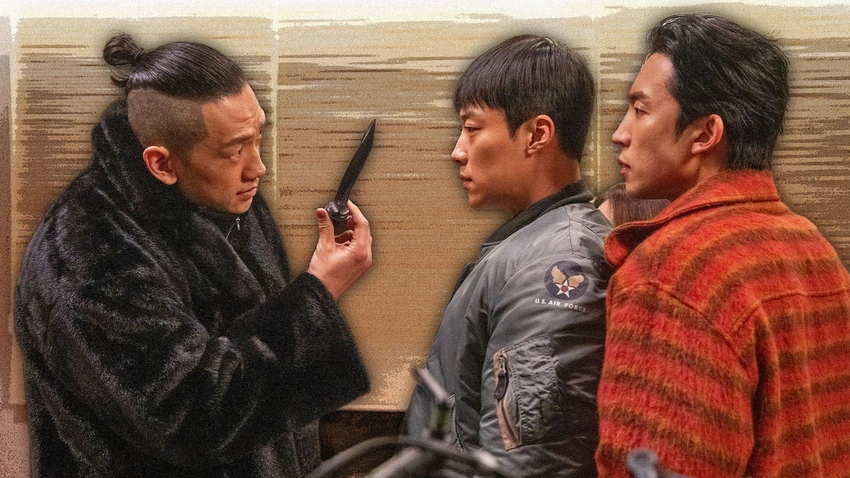
Take the recent finale of Bloodhounds Season 2. Fans watched Gunwoo and Woojin engage in a brutal, bloody showdown with the villainous Im Baekjeong. While the action was top-tier and seeing stars like Woo Do Hwan and Rain on screen together was a massive thrill, it raises a bigger question. Did we actually need more?
The Shift from Story to Franchise
The original appeal of these shows was the tight writing. When a story is designed to end, every scene counts. Now, we see a trend where successful shows are stretched out to fit the Western multi-season model. While it is great to see beloved characters return, the stakes often feel diluted.
In the case of Bloodhounds, the transition into a high-stakes action thriller with recurring seasons feels like a departure from the gritty, intimate underdog story we first fell in love with. The focus has shifted from character growth to sheer spectacle and the promise of a potential Season 3.
What We Lose Along the Way
- Narrative Integrity: When a show is renewed unexpectedly, writers often scramble to create new conflicts that feel forced or repetitive.
- The Emotional Payoff: There is something special about saying goodbye to a world once the story is told.
- Creative Variety: Instead of new, experimental stories, platforms are playing it safe with established titles.
Is it All Bad?
Of course, sequels aren't a total disaster. Seeing the chemistry between Lee Sang Yi and Woo Do Hwan evolve is a treat for any fan. Plus, higher budgets mean we get cinematic masterpieces that were impossible a decade ago. However, the industry needs to be careful. If every hit show gets a second season, we might lose the unique identity that made K-dramas a global phenomenon in the first place.
We don't need every show to become a franchise. Sometimes, the best way to honor a story is to let it end where it was meant to.
