The Perks of Being a Wallflower: The Book Was Wild. The Movie Was... Tame?
The Perks of Being a Wallflower: The Book Was Wild. The Movie Was... Tame?
Hold up! You thought you knew 'The Perks of Being a Wallflower' from the movie? Think again! The book is a whole different beast—darker, deeper, and way more unhinged. Prepare to have your mind blown. #PerksBookVsMovie
Hollywood Sanitized Charlie’s Story (and Our Minds!)
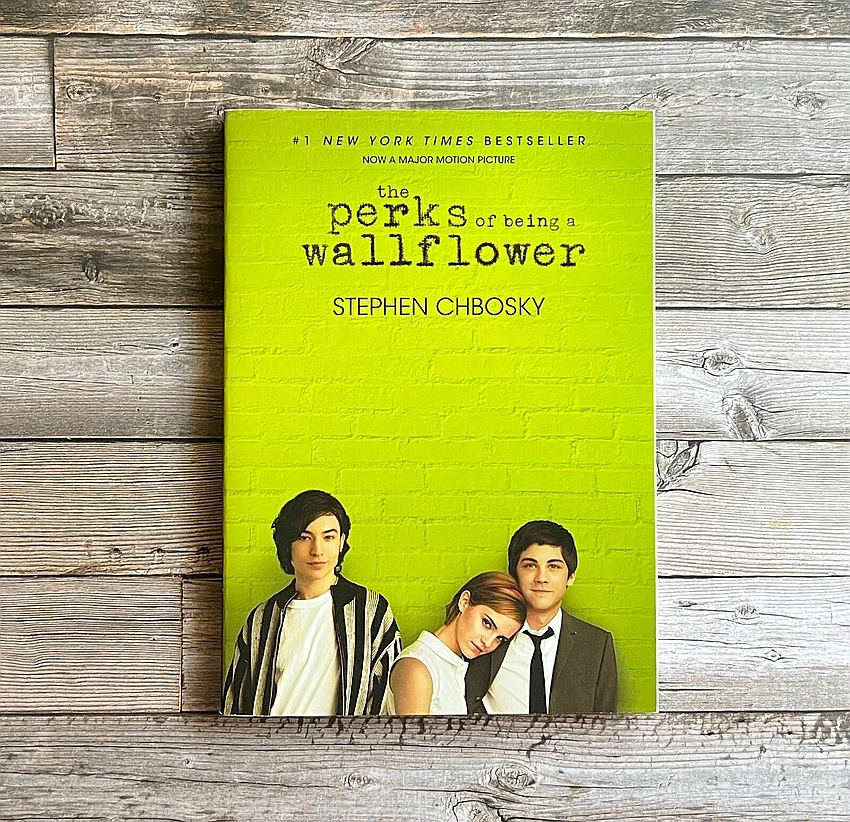
Okay, can we talk about The Perks of Being a Wallflower for a hot minute? Because if your only exposure to Charlie, Sam, and Patrick is the movie, you've been living a sanitized, slightly-too-pretty version of their reality. Seriously, the book isn't just 'darker' - it's a whole psychological odyssey that leaves the film looking like a Disney Channel original.
The movie, bless its heart, gave us a beautiful, melancholic coming-of-age story. The book? It ripped open a raw, complicated world of trauma, abuse, and the truly messy process of healing.
It didn't just hint at things; it laid them bare in Charlie's letters, making you feel every gut punch.
The Actual Unhinged Truths the Film Skipped
Remember those subtle hints about Charlie's past and his aunt Helen? The book doesn't do 'subtle.' It hammers home the details of his childhood trauma in ways the movie simply couldn't, or wouldn't, depict on screen. We're talking explicit, uncomfortable truths that explain so much more about Charlie's dissociative episodes and complex emotional landscape.
And it's not just Charlie. The book allows us to truly get inside the heads of Sam and Patrick, too. Their struggles feel more visceral, their choices more desperate, and their ultimate hopes more fragile.
The film made them relatable; the book makes them profoundly human, flaws and all. It's a paradox the film only touches upon, but the book screams:
So, this is my life. And I want you to know that I am both happy and sad and I'm still trying to figure out how that could be.
Why Hollywood Softened the Blow (Then vs. Now)
This isn't just about 'book vs. movie' superiority, it's a fascinating look at cultural patterns. When the movie came out in 2012, while mental health awareness was growing, the raw depiction of childhood sexual abuse and complex PTSD, especially in a teen film, was still incredibly tricky for mainstream Hollywood. There were probably conversations about ratings, audience comfort, and box office appeal.
Fast forward to now, and while we're still navigating these topics, there's a greater push for authenticity and less sanitization. Would a 'Perks' adaptation today be more daring, more faithful to Chbosky's original vision? I think so.
The book feels like it was ahead of its time in its unflinching honesty, something society is slowly catching up to.
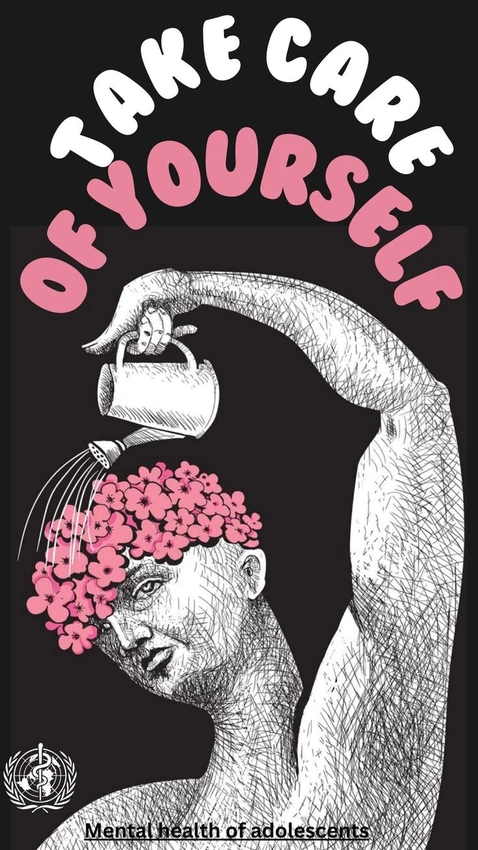
Is Our "Infinite" View Incomplete?
So, if you've only seen the movie, I'm telling you: grab the book. It's not an easy read, but it's an essential one. It challenges you, it unsettles you, and it forces you to confront the darker corners of human experience in a way the film, for all its beauty, couldn't.
Did the movie do a disservice, or did it open the door for more people to eventually find the 'real' story?
Let me know your unhinged thoughts below!