Can Hydration Speed Up Pimple Healing? The Overlooked Link Between Moisture and Spot Recovery

Can Hydration Speed Up Pimple Healing? The Overlooked Link Between Moisture and Spot Recovery
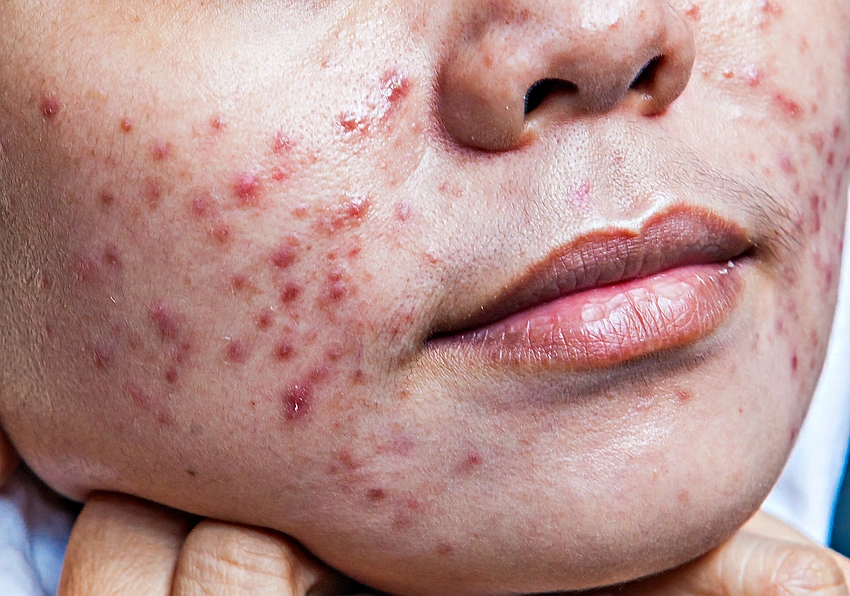
When dealing with acne, most people focus on drying out pimples as quickly as possible. The assumption is simple. Less oil means faster healing. But what if this approach is actually slowing down your skin’s recovery? Modern skincare research suggests that hydration plays a critical role in how quickly and effectively your skin heals breakouts. Even when using targeted treatments like an acne spot treatment 🔗, the surrounding skin environment determines how well that treatment performs. In this blog, we explore the surprising connection between hydration and acne healing, and why moisturization may be the missing step in your routine.
Your skin is a living barrier that relies on water and lipids to function properly. When this barrier is balanced, it can repair itself efficiently. When it is dry or damaged, healing slows down, and inflammation can linger longer than necessary.
Why Drying Out Pimples Is Not Always the Best Strategy
Traditional acne treatments often focus on removing oil and drying out blemishes. While this can reduce the appearance of a pimple temporarily, it can also create an imbalance in the skin.
Over-drying can lead to:
- Increased irritation and redness
- Slower healing due to a compromised barrier
- Excess oil production as the skin tries to compensate
- Higher chances of post-acne marks
Instead of accelerating recovery, excessive dryness can prolong it.
The Science of Moisture in Skin Healing
Healthy skin healing depends on maintaining the right level of hydration. When your skin is properly moisturized, it can repair damaged cells more efficiently and reduce inflammation.
According to research from the National Institutes of Health, maintaining adequate skin hydration significantly improves barrier repair and accelerates wound healing.
This means that hydration is not just about comfort. It directly impacts how quickly your skin recovers from acne.
How Spot Treatments Work Best in a Hydrated Environment
Spot treatments are designed to target individual pimples by reducing inflammation, controlling bacteria, and speeding up the drying process of the blemish. However, their effectiveness depends on the condition of the surrounding skin.
When the skin around a pimple is well-hydrated:
- Active ingredients penetrate more effectively
- Irritation is minimized
- Healing occurs more evenly
- The risk of scarring is reduced
Using an acne spot treatment on dry, compromised skin can lead to uneven results and prolonged recovery time.
The Role of Moisturizers in Acne-Prone Skin
Moisturizers are often misunderstood in acne care. Many people avoid them out of fear that they will clog pores or make the skin oily. In reality, the right moisturizer supports balance and prevents overproduction of oil.
A Moisturizer for acne prone skin helps:
- Restore hydration without clogging pores
- Strengthen the skin barrier
- Reduce irritation from active treatments
- Support faster recovery from breakouts
The key is choosing lightweight, non-comedogenic formulations that work with your skin rather than against it.
Building a Routine That Supports Faster Healing
A balanced routine that includes both targeted treatment and proper hydration can significantly improve results.
Morning Routine
- Cleanse gently to remove excess oil
- Apply a lightweight moisturizer
- Use sunscreen to protect healing skin
Evening Routine
- Cleanse to remove impurities
- Apply spot treatment to active pimples
- Follow with a moisturizer to support overnight repair
This approach ensures that your skin remains protected and hydrated while treatments do their job.
Common Mistakes That Delay Pimple Healing
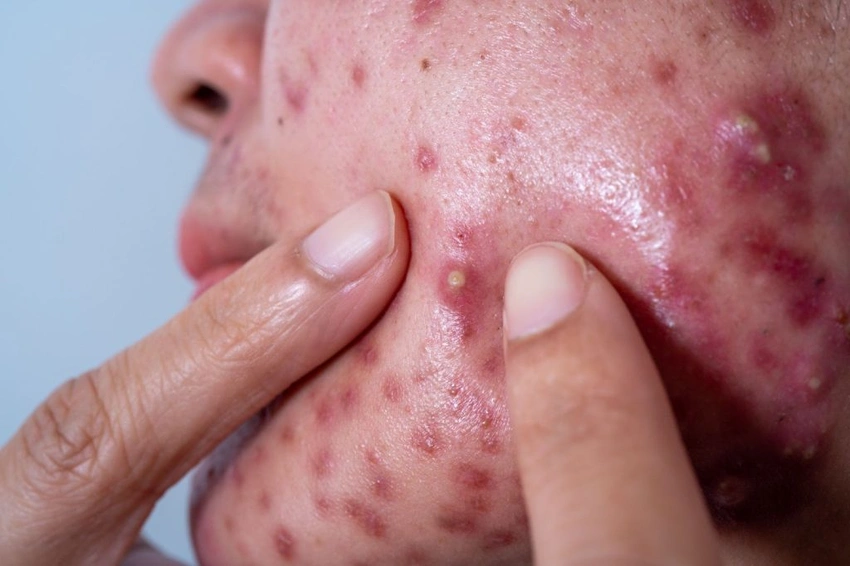
Even with the right products, certain habits can slow down recovery:
- Skipping moisturizer because of oily skin
- Overusing spot treatments on the same area
- Using harsh products that damage the barrier
- Not protecting skin from sun exposure
Avoiding these mistakes can make a noticeable difference in how quickly your skin heals.
A Balanced Perspective on Acne Care
Instead of focusing only on eliminating oil, think about creating an environment where your skin can heal efficiently. Hydration is a critical part of this process. When your skin is balanced, it responds better to treatments and recovers faster from inflammation.
This shift in mindset moves acne care from aggressive treatment to supportive healing.
Conclusion
Faster acne recovery is not just about targeting the pimple. It is about supporting the skin around it. Using an acne spot treatment helps control breakouts, but pairing it with a moisturizer for acne prone skin 🔗 creates the ideal conditions for healing. Together, they reduce irritation, improve recovery time, and help prevent long-term marks.
Call to Action
Transform the way you treat acne by combining targeted care with essential hydration. Explore effective skincare solutions at World of California 🔗 and build a routine that supports faster, healthier skin recovery.
FAQs
Can moisturizer really help pimples heal faster?
Yes, hydration supports barrier repair and speeds up recovery.
Should I use spot treatment on dry skin?
It is more effective when the surrounding skin is hydrated.
Will moisturizer make acne worse?
Not if you use a non-comedogenic formula designed for acne-prone skin.
How often should I apply spot treatment?
Usually once or twice daily depending on the product.
Is hydration important for oily skin too?
Yes, it helps regulate oil production and maintain balance.
