Court Orders Deepfake Takedown: Gadkari Fights AI Slander Over Ethanol Policy!

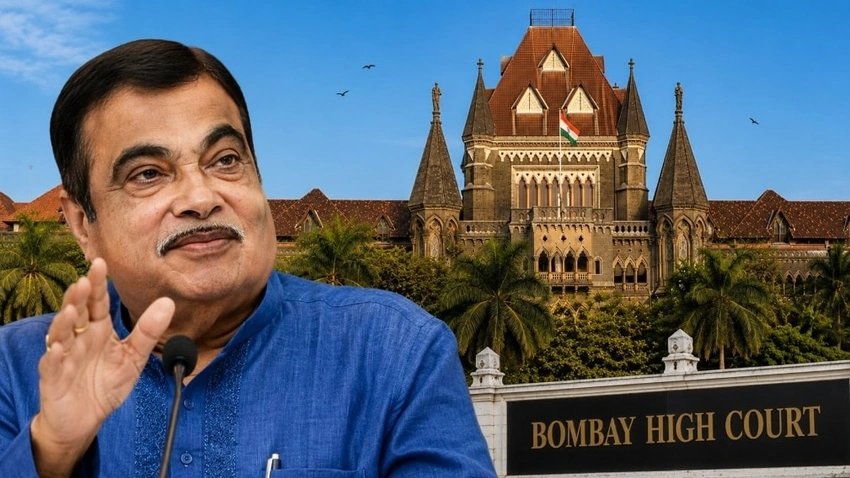
Court Orders Deepfake Takedown: Gadkari Fights AI Slander Over Ethanol Policy!
Bombay High Court mandates removal of AI-generated deepfakes falsely linking Union Minister Nitin Gadkari to ethanol policy corruption. A landmark case highlighting judicial concern over unchecked online content.
In a significant ruling, the Bombay High Court has directed social media platforms to remove deepfake and AI-generated videos that falsely implicated Union Minister Nitin Gadkari in the Ethanol Blending Programme (EBP). The court, on Wednesday, August 5, 2026, deemed the content defamatory, marking a crucial moment in the fight against digitally fabricated slander.
Mr. Gadkari, who has served as the Minister of Road Transport since 2014, initiated the lawsuit after unknown users created and circulated videos that wrongly portrayed him as responsible for the implementation of the ethanol blending policy. More alarmingly, the malicious content made baseless allegations that he and his family had reaped undue financial benefits from the programme, suggesting corruption and misuse of office. The lawsuit specifically highlighted at least 24 such posts containing these grave accusations.
Justice Arif Doctor, presiding over a Single Bench, issued a clear order for the immediate removal of all content identified by Mr. Gadkari in his complaint. Furthermore, the court instructed platforms to take down any similar content that might emerge in the future, once brought to the Minister's attention. Mr. Gadkari clarified that his legal action was not aimed at stifling legitimate criticism or fair debate on government policies, but rather to counter content that was demonstrably fabricated and malicious. He also pointed out that these deepfake videos exploited his public persona and publicity rights without his consent.
During the proceedings, the court expressed serious concern regarding the current lack of a streamlined mechanism for removing abusive content without direct judicial intervention. It observed that individuals are frequently compelled to seek court orders for relief in such matters, underscoring a systemic challenge in managing online disinformation. This case highlights the growing complexity of digital content moderation and the legal system's evolving role in safeguarding individuals from AI-driven defamation.
