Netflix Lighting: How Streaming's Dark, Flat Look Shapes What We Watch

Netflix Lighting: How Streaming's Dark, Flat Look Shapes What We Watch
Netflix Lighting: How Streaming's Dark, Flat Look Shapes What We Watch
Why has Netflix lighting become a shorthand for a moody, gray-blue aesthetic? This piece explains how streaming production and viewing habits push cinematography toward a dark, flat look—and what it means for filmmakers.
Netflix has become shorthand for a particular visual style. Viewers joke about needing to turn off the lights just to watch a crime thriller, while critics complain that every original series seems wrapped in the same grey-blue haze. The phrase "Netflix lighting" has entered popular vocabulary, often used to describe images that feel simultaneously too dark and too flat. Yet the phenomenon is more complicated than a meme suggests. The issue is not simply that films have become darker. It is that the industrial conditions of streaming have changed the way cinematography is imagined, produced and consumed.

When Everything Starts Looking the Same
For much of cinema's history, cinematography functioned as a visual signature. One could often distinguish the expressive shadows of film noir, the saturated melodrama of the 1950s, or the naturalistic lighting of the New Hollywood era. Light was never just illumination. It directed attention, created emotion and gave films an identity.
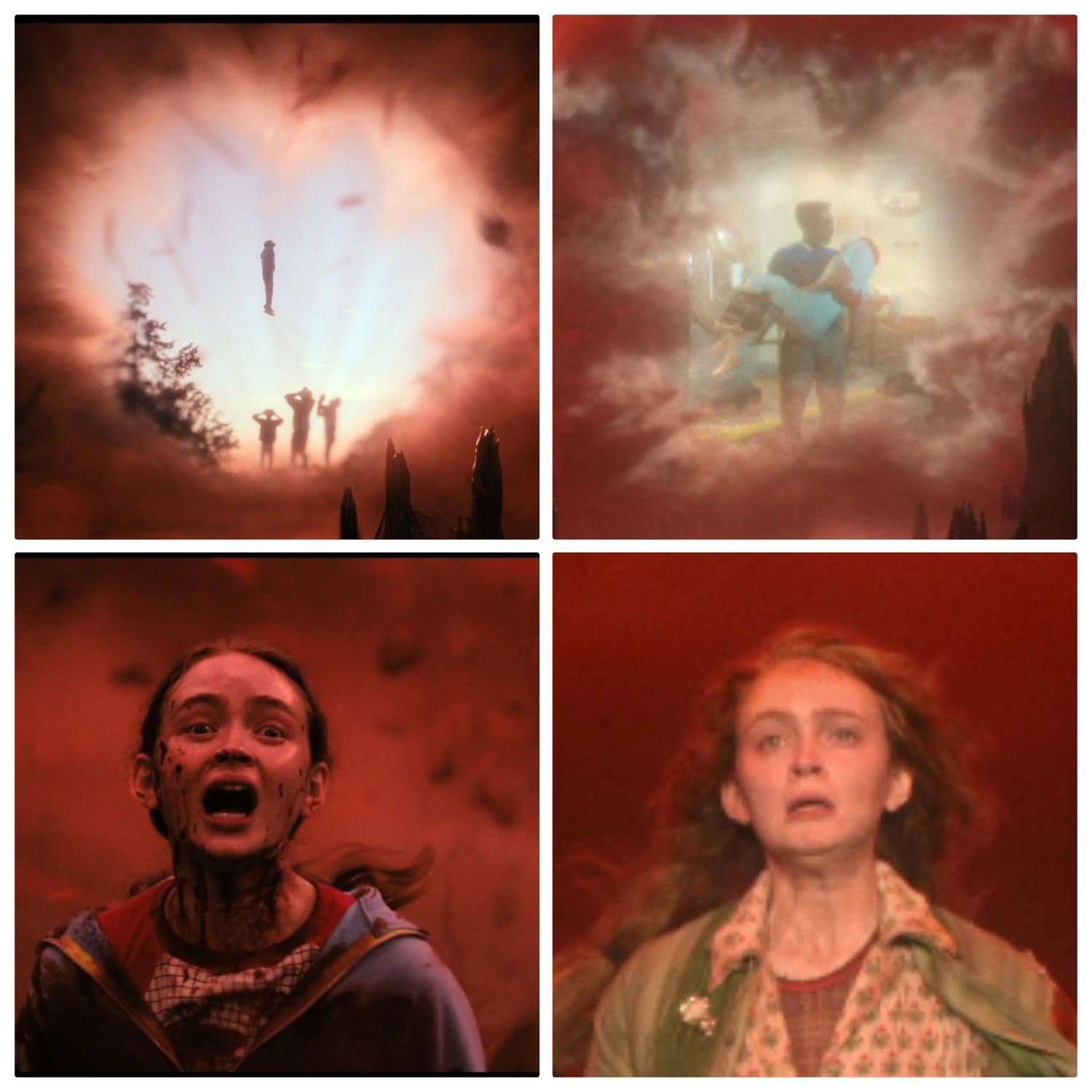
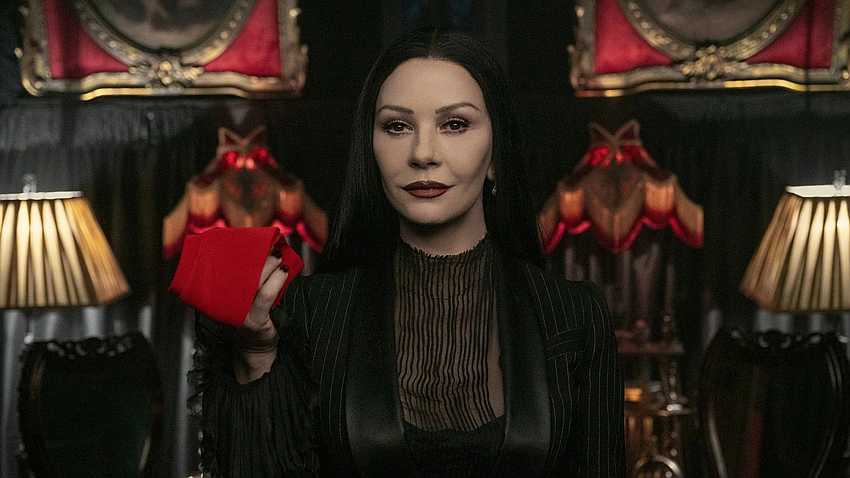
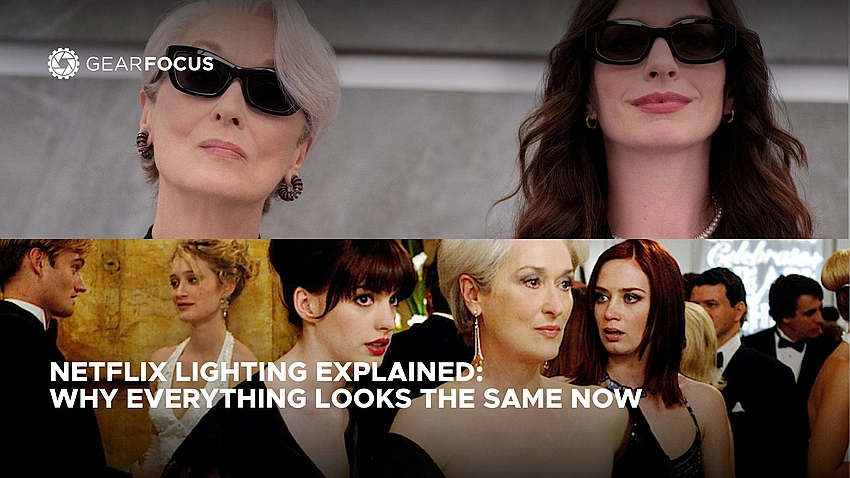
Streaming has complicated this relationship. While Netflix hosts productions from hundreds of filmmakers, audiences frequently perceive a recurring aesthetic. Faces are evenly lit, colours lean towards muted blues and teals, highlights rarely become dazzling, and shadows often swallow detail on ordinary televisions. The result is a visual consistency that many viewers now identify as the "Netflix look".
It is tempting to interpret this as the death of cinematography itself. That conclusion, however, overlooks how industrial systems shape artistic decisions.
The Algorithm Has a Camera Too
Cinema has always been constrained by technology. Film stock, projectors and theatre screens all influenced what directors could create. Streaming introduces another layer of mediation.
Netflix requires productions to meet rigorous technical standards, including approved camera systems, high resolution image capture and HDR mastering for many original productions. These requirements are designed to ensure consistent image quality across thousands of devices worldwide rather than to impose a specific artistic style.
The challenge begins after production. A carefully graded HDR image must survive compression, internet bandwidth limitations and countless televisions with wildly different calibration settings. An image that looks nuanced in a professional colour suite may appear muddy on a budget television in an ordinary living room.
Darkness Is Not the Villain
There is also an important distinction between darkness and poor visibility. Low key lighting has long been central to cinematic storytelling. From classic noir to contemporary horror, darkness can generate mystery, vulnerability and emotional tension.
The criticism aimed at many streaming productions is different. Audiences often argue that images lack separation, contrast and depth. Instead of using darkness expressively, some productions appear visually flattened. Rather than sculpting space with light, they simply reduce the amount of visible information.
This helps explain why older films with genuinely dark scenes often remain easier to read than many contemporary streaming dramas. The issue is less about brightness than about visual clarity.
The Economics of Streaming
Streaming platforms demand an extraordinary amount of original content each year. Television seasons are produced under tight schedules, often with extensive visual effects pipelines and compressed post production deadlines. Under these conditions, cinematographers must balance artistic ambition with efficiency.
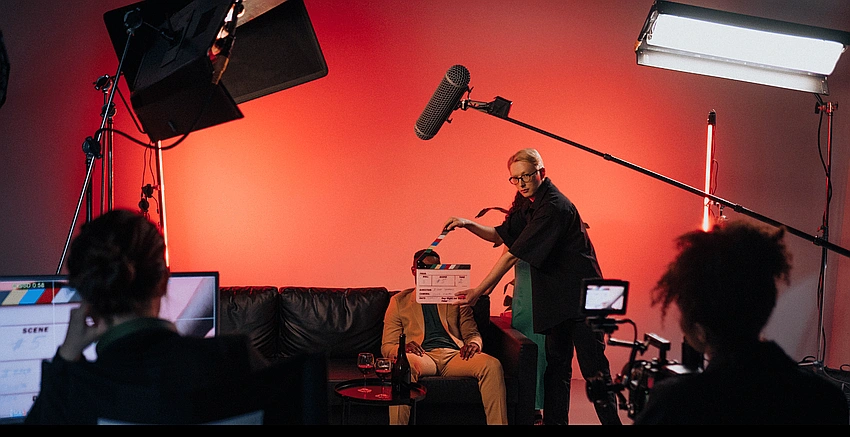
Naturalistic lighting has practical advantages. Larger lighting setups require more time, more equipment and greater coordination. Softer, flatter illumination can speed production while remaining flexible for visual effects and multiple camera angles. What audiences perceive as an aesthetic choice may sometimes reflect industrial necessity.
This does not mean cinematographers have abandoned creativity. Rather, creativity increasingly operates within the logic of streaming platforms.
Has Cinematography Actually Died?
I do not think so.
Some of the most visually ambitious work of the past decade has appeared on streaming services. Series like Dark, for example, demonstrate that atmospheric lighting and distinctive visual identities continue to thrive within Netflix's ecosystem.
The real concern lies elsewhere. If theatrical cinema once encouraged directors to create images that demanded a giant screen, streaming encourages images that remain legible across phones, laptops and televisions. The viewing environment becomes part of the creative process.
This shift changes the role of cinematography. Instead of composing for a controlled theatrical experience, filmmakers increasingly compose for unpredictability. Every image must survive compression, variable internet speeds and countless consumer displays. Visual decisions become acts of negotiation rather than pure artistic expression.
The Future of Looking
We have become accustomed to consuming cinema while distracted, multitasking or watching in brightly lit rooms. Streaming has transformed not only how films are made but how they are seen. The cinema auditorium demanded our complete visual attention. The living room competes with phones, conversations and notifications.
The anxiety surrounding Netflix lighting therefore reflects a broader cultural shift. We are witnessing the transformation of cinema from a shared theatrical event into endlessly accessible digital content. The image no longer belongs exclusively to the filmmaker. It belongs equally to the platform, the compression algorithm, the television manufacturer and the viewer's living room.
#NetflixLighting #Cinematography #StreamingVisuals #GreyBlueHaze #FilmLighting
