Pig Kidney Breakthrough! Man Lives 9 Months, Gets Human Transplant

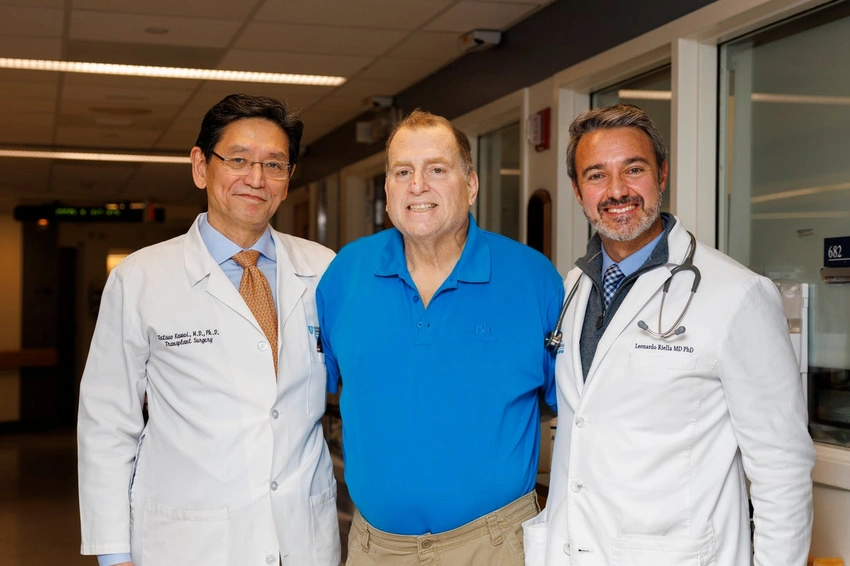
Pig Kidney Breakthrough! Man Lives 9 Months, Gets Human Transplant
A man lived for a record 9 months with a genetically modified pig kidney, paving the way for future organ transplants! Discover this medical marvel & the journey to a human organ.
In a groundbreaking medical achievement, a 66-year-old man named Tim Andrews from New Hampshire became the first patient to live for a record nine months with a genetically modified pig kidney, serving as a crucial "bridge" to a human organ transplant. This extraordinary procedure offers a beacon of hope for thousands awaiting life-saving organs.
Mr. Andrews, who suffered from end-stage kidney failure due to type 2 diabetes, underwent the pioneer transplant in January 2025. The animal organ, sourced from a Yucatan miniature pig and meticulously engineered for compatibility with the human immune system, began functioning immediately. This allowed Mr.
Andrews to live dialysis-free for an unprecedented 271 days, marking a world first in successful pig-to-human organ transplantation.
During his time with the pig kidney, Mr. Andrews described it as a "miracle," allowing him to reclaim aspects of his life he thought were lost. He shared how he could once again cook, vacuum, and enjoy long walks with his dog, Cupcake, highlighting the profound impact on his quality of life.
After approximately six months, the pig kidney developed damage in its blood vessels, eventually leading to organ failure and its removal. Following a brief period back on dialysis, Mr.
Andrews successfully received a kidney from a deceased human donor, completing the remarkable journey.
Medical teams confirmed that no pig viruses or other pathogens were detected at any point, reinforcing the safety aspects of the procedure.
The findings, published in the esteemed Lancet medical journal by a team from Mass General Brigham academic centers and hospitals in the US, underscore the potential of pig kidney transplantation as a viable temporary solution for patients facing long waits for human organs. While this marks a monumental step forward, researchers emphasize the ongoing need for further studies to refine and expand this innovative approach.

Login to comment.
No thots yet. Be the first to share your thoughts!