Bangladesh Vows "At Any Cost" for Teesta Project Amid India-China Tensions

Bangladesh Vows "At Any Cost" for Teesta Project Amid India-China Tensions
Bangladesh PM Tarique Rahman's firm commitment to the Teesta project raises geopolitical stakes. China backs the initiative, while India voices concerns. What's next for regional water diplomacy?
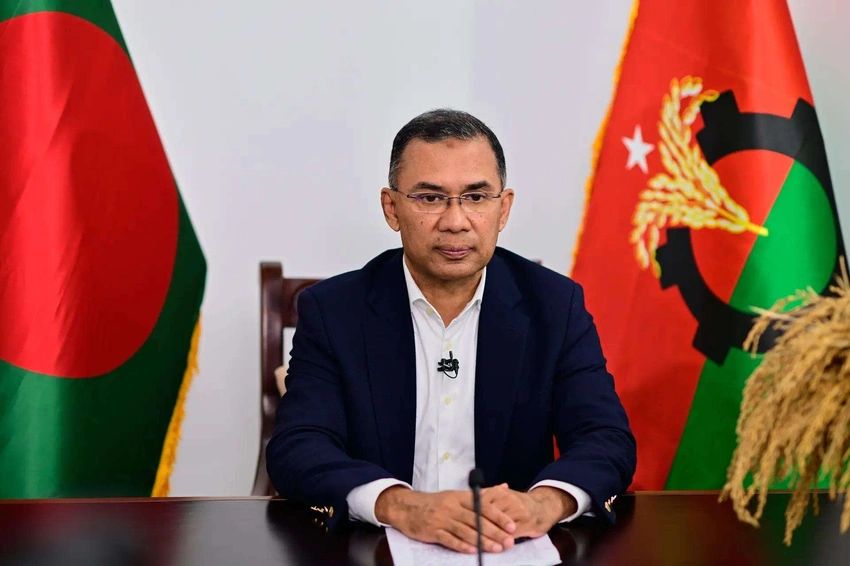
Bangladesh Prime Minister Tarique Rahman has unequivocally declared his government's unwavering commitment to implementing the Teesta River project "at any cost." This bold stance underscores Dhaka's determination to proceed with the ambitious water management initiative, which has significant implications for regional geopolitics. The project aims to harness the Teesta River's waters for irrigation and flood control, a long-standing need for Bangladesh.
The declaration comes amidst rising interest from China, which has reportedly offered substantial financial and technical assistance for the project. Beijing has publicly acknowledged the Teesta project's importance for Bangladesh's development and water security, stating that it "assumes significance" for the nation. This growing involvement of China has, however, sparked considerable concern in New Delhi.
India shares the Teesta River with Bangladesh and has historically been engaged in protracted negotiations over water-sharing agreements. India's apprehensions largely stem from its own downstream water needs and the potential environmental and hydrological impacts of a large-scale project developed with Chinese backing. New Delhi has conveyed its concerns regarding China's deepening engagement in projects close to its borders, particularly concerning shared natural resources.
Prime Minister Rahman's resolute statement signals Bangladesh's intent to move forward, potentially balancing its strategic relationships with both India and China. The Teesta River, originating in the Himalayas and flowing through Sikkim and West Bengal in India before entering Bangladesh, is a vital lifeline for millions. Its equitable distribution and management have been a cornerstone of diplomatic discussions between India and Bangladesh for decades. The project's implementation under these new dynamics will undoubtedly be a closely watched development in South Asian regional politics.
