IMF Downgrades Global Growth as War Disrupts Markets, $50B Aid In Sight

IMF Downgrades Global Growth as War Disrupts Markets, $50B Aid In Sight
The IMF warns war-driven shocks could slow global growth, with energy costs and disrupted supply lines fueling inflation, while aid packages rise to up to $50 billion for affected nations.
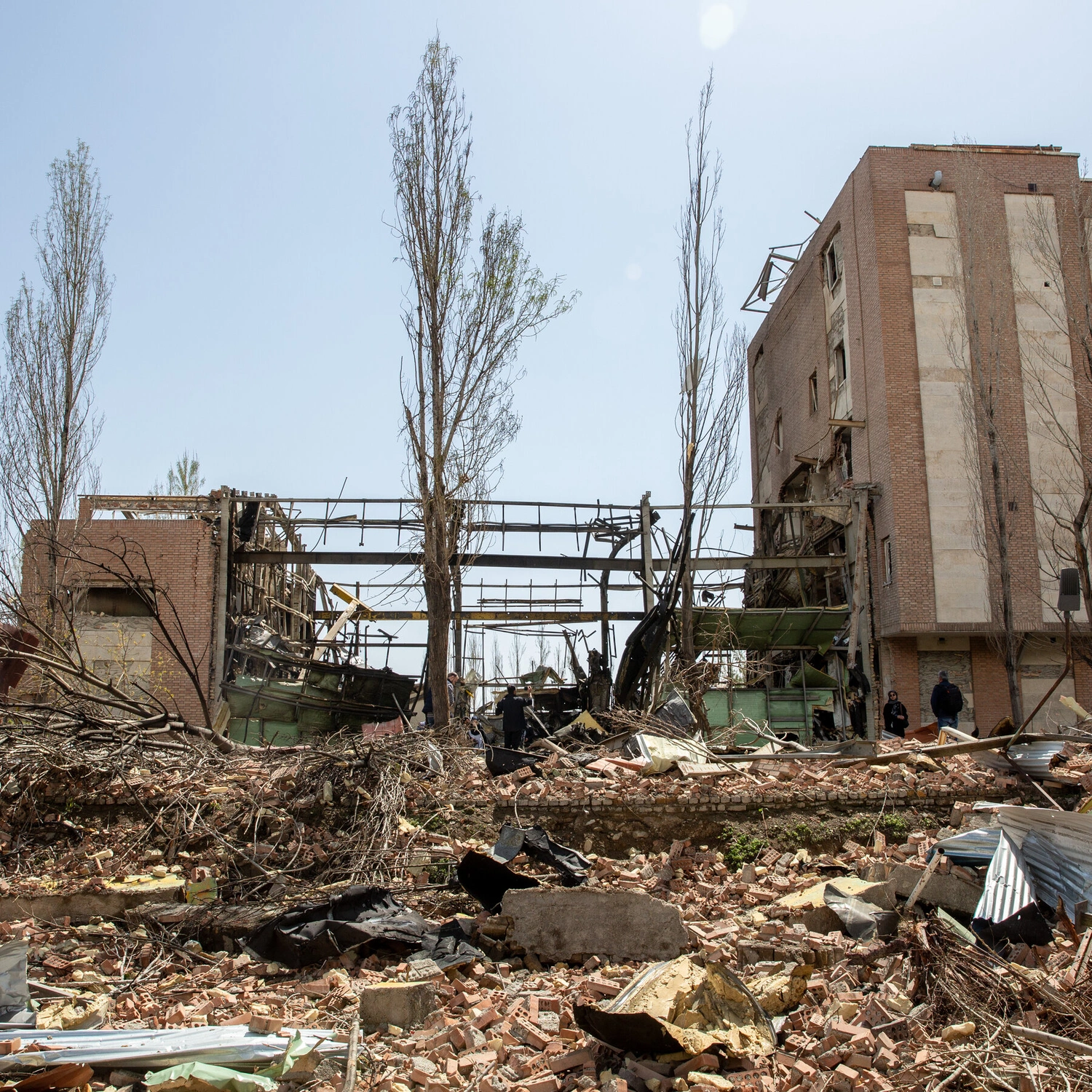
At the IMF-World Bank Spring Meetings, Managing Director Kristalina Georgieva warned that the world economy is entering a more fragile phase. Even under the fund's most hopeful scenario, growth would be downgraded as spiraling energy costs, damaged infrastructure, supply disruptions, and eroded market confidence ripple through economies. The warning comes as policymakers look to steer a path through a fresh geopolitical shock triggered by the Middle East conflict and its spillovers across energy and commodity markets. The message is blunt: the days of buoyant momentum fueled by technology investment and easy financial conditions may be behind us, replaced by more uncertain terrain that requires careful policy calibration.
Georgieva outlined three primary channels through which the shock is transmitting: higher input costs and supply shortages; rising inflation expectations; and tightening financial conditions. Global oil and gas flows have been disrupted, pushing Brent crude prices higher and maintaining inflationary pressure even as price spikes ease from a peak. Shortages of refined fuels like diesel and jet fuel are already hitting transportation and trade, while fertilizer costs and logistics bottlenecks are weighing on agriculture and food supplies.
The IMF notes the consequences cascade across sectors: higher energy bills, pricier manufacturing inputs, and the risk that households pull back on spending as borrowing costs rise. The result could be a slower expansion or even stagnation for some economies, with vulnerable groups most exposed to the fallout. The fund stresses that the shock is not just cyclical but also structural, rooted in geopolitics and disrupted global value chains.
To cushion the impact, the IMF and partners are considering aid packages for war-hit nations, with figures potentially reaching up to $50 billion. Funds would be directed to maintain essential services, stabilize energy and food markets, and support investment in resilience. Still, the package would likely come with conditions aimed at preserving fiscal discipline and advancing structural reforms that help economies recover and diversify their energy and supply chains.
The spring meetings are framed as a turning point for global economic governance, underscoring the need for coordinated policy responses as the world confronts an evolving set of risks. As the IMF cautions, even the most optimistic outlook cannot fully insulate economies from the shock of ongoing geopolitical tensions.
