Goyal: Russian oil and India-US deal are separate issues, despite Trump order

Goyal: Russian oil and India-US deal are separate issues, despite Trump order
Piyush Goyal argues Russia oil should be delinked from the India-US deal as Trump signs an order adding a new energy and defense dynamic.
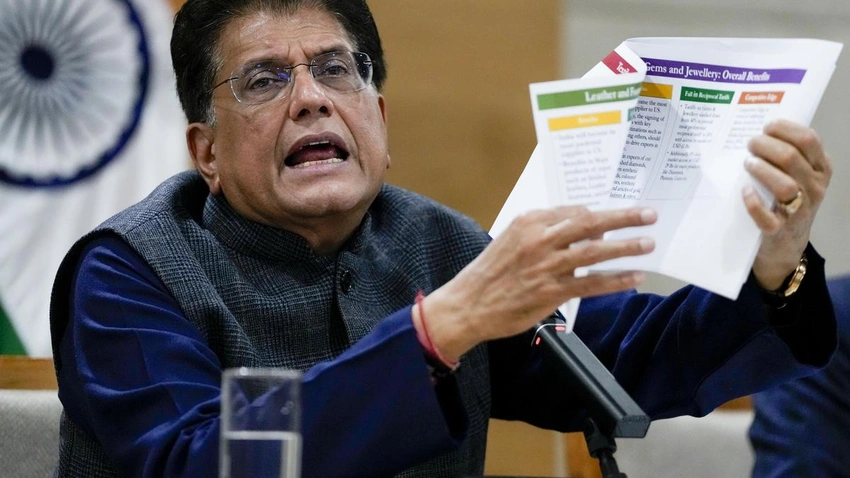
In a closely watched turn in the India-US trade dialogue, policy moves around energy and geopolitics are intersecting in new ways. Piyush Goyal, a leading voice on India’s trade strategy, has stressed that the joint statement outlining the deal framework with the United States does not mention Russian oil. There is, however, another official document that does reference Russian oil, creating a distinction between the core commitments of the trade framework and energy purchases that are shaped by market conditions and international dynamics. Goyal argues these two issues should be treated separately to safeguard India’s strategic autonomy while pursuing deeper economic cooperation.
Trump’s recent executive action adds another layer of complexity. The order explicitly removes a 25% tariff that had been levied on Indian oil dealings with Russia and sets a condition that India stop importing Russian oil directly or indirectly. It also authorizes a monitoring mandate for the US secretary of commerce to track Indian oil imports to verify compliance. In a public post, Trump claimed India would shift toward American energy and noted a broader framework to expand defense cooperation over the next decade. The order states that India has committed to stop directly or indirectly importing Russian Federation oil and has recently committed to a framework with the United States to expand defense cooperation, raising questions about how the two tracks will unfold in practice.
Analysts caution that energy diplomacy and trade negotiations are intertwined but not identical. The deal’s core terms are potentially influenced by a much larger ecosystem of reciprocal and balanced trade with a vastly larger economy, a dynamic many see as a challenge to India’s strategic autonomy. Market conditions and global dynamics will continue to drive energy purchases, with mechanisms like diversification of supplies and shifts in sourcing remaining central to India’s approach. The MEA has signaled that energy purchases will be diversified on the basis of market conditions and international dynamics, indicating a deliberate effort to delink oil purchases from the broader trade framework.
The debate also touches on broader strategic implications, including how defense and economic cooperation evolve together. Modi’s rhetoric around “BUY AMERICAN” and the stated framework for expanded defense cooperation over ten years underscore a push toward closer alignment with the United States, even as questions linger about the potential impact on India’s trade deficit and autonomy. The evolving narrative around energy, security, and economic policy highlights the delicate balancing act India faces as global powers recalibrate their relationships and new sanction regimes reshape energy markets.
As energy markets adapt and diplomatic calendars move forward, policymakers appear intent on keeping energy diversification on a steady course while pursuing a robust strategic partnership with the United States. The coming months will reveal how these parallel tracks—trade diplomacy and energy policy—coexist without forcing a single, dominant choice for India’s forward trajectory.
