Skin Flooding: The Hydration Technique That Actually Works for Dry and Dehydrated Skin

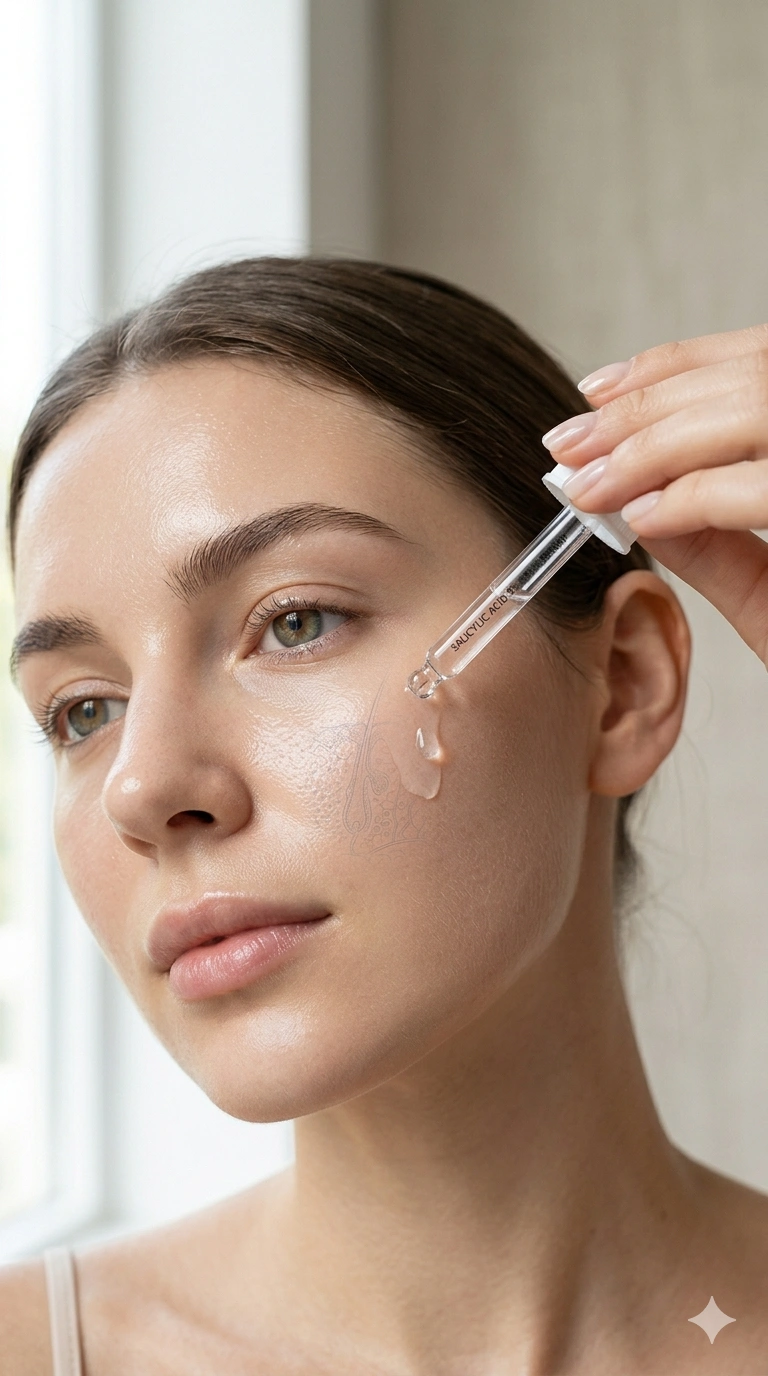
Skin Flooding: The Hydration Technique That Actually Works for Dry and Dehydrated Skin
Skin flooding is a hydration technique that went from niche skincare community discussion to mainstream trend in a relatively short time, and unlike many skincare trends it is based on genuinely sound principles of how humectant ingredients work. The technique involves layering multiple hydrating products in a specific sequence on damp skin to maximize water retention in the upper layers of the skin, producing the kind of sustained plumpness and comfort that single product moisturizer application often cannot achieve.
Understanding what skin flooding actually does, when it is most appropriate, and how to do it correctly without triggering breakouts or barrier issues helps you decide whether it is a technique worth adding to your routine and how to implement it effectively.
The Science Behind Skin Flooding
Humectant ingredients work by attracting water molecules and binding them to the skin. The most effective humectant in skincare is hyaluronic acid, which can bind up to 1000 times its weight in water. When applied to damp skin, humectants have an abundant immediate water source at the surface to bind and draw into the stratum corneum.
Skin flooding exploits this mechanism by applying humectant layers sequentially while the skin is still damp from the previous application. Each layer adds more water binding capacity and creates a more substantial hydration reservoir than a single product application achieves. The technique works with the skin's natural water attraction mechanisms rather than simply sitting on top of the surface.
The Flooding Sequence
After cleansing, do not dry your face completely. Leave the skin damp but not dripping. Apply a hydrating toner or essence as the first layer and allow 20 to 30 seconds of absorption. While the skin is still slightly tacky, apply a hyaluronic acid serum as the second layer. After another 30 seconds, apply your moisturizer. The final and most important step is sealing the layered hydration with an occlusive or semi occlusive ingredient.
An intense moisturizer for dry skin 🔗 used as the sealing layer is essential for making flooding work. Without this final occlusive step, the humectants you have layered on the skin will pull moisture from the deeper layers of the skin in dry conditions, potentially worsening dehydration rather than relieving it. The moisturizer creates the seal that keeps the hydration you have built in place.
Who Benefits Most From Skin Flooding
Skin flooding is most impactful for dry and very dry skin types that struggle to maintain adequate hydration levels. For these skin types, the technique can produce dramatic improvements in skin comfort, plumpness, and the appearance of fine lines driven by dehydration. It is also particularly valuable during winter when low humidity air accelerates transepidermal water loss significantly.
People with oily or acne prone skin can adapt the technique using lightweight humectant layers and a non comedogenic gel moisturizer as the sealing step rather than a heavy cream or occlusive oil. The technique itself does not cause breakouts. The products used in the sequence determine whether it is appropriate for acne prone skin.
When Not to Flood Your Skin
Avoid skin flooding when your skin barrier is significantly compromised or when you are experiencing a severe breakout period. During these times the skin needs simplicity rather than multiple layered products. A single gentle moisturizer applied to slightly damp skin achieves a similar effect with less risk of aggravating reactive or inflamed skin.
Also avoid flooding if any of your layered products contain actives like AHAs, BHAs, or retinoids. These should not be flooded as the sequential layering concentrates their effect and can cause irritation. Keep flooding to purely hydrating and non active products.
The Takeaway
Skin flooding is a legitimate and effective hydration technique based on real humectant science. It works best for dry skin and during winter, requires a proper sealing step to be effective, and can be adapted for oily and acne prone skin with the right product choices. For a moisturizer that serves as an effective sealing step for a flooding routine, visit California Skin+ 🔗.
